Welcome to the Webbpage Blog. Home of Tim Webb Photography. Here is where you can see what really goes on in my life. Enjoy!
Beatin' Them Strings Like They're Owing Me Money...Part One
I'm a little late in getting this month's blog posted because it's been a busy season. But, no freelancer should ever complain about being busy. Playing up on the lyrics of Tyler Childers' song Honky Tonk Flame, I've been hammering out photos, trying to make a living. I started with photography when I was in third grade, and have been making a living at it in some form or fashion since 1991, and have been running Tim Webb Photography for 22 years. I'm a blessed man. Here is some recent work.
-30-
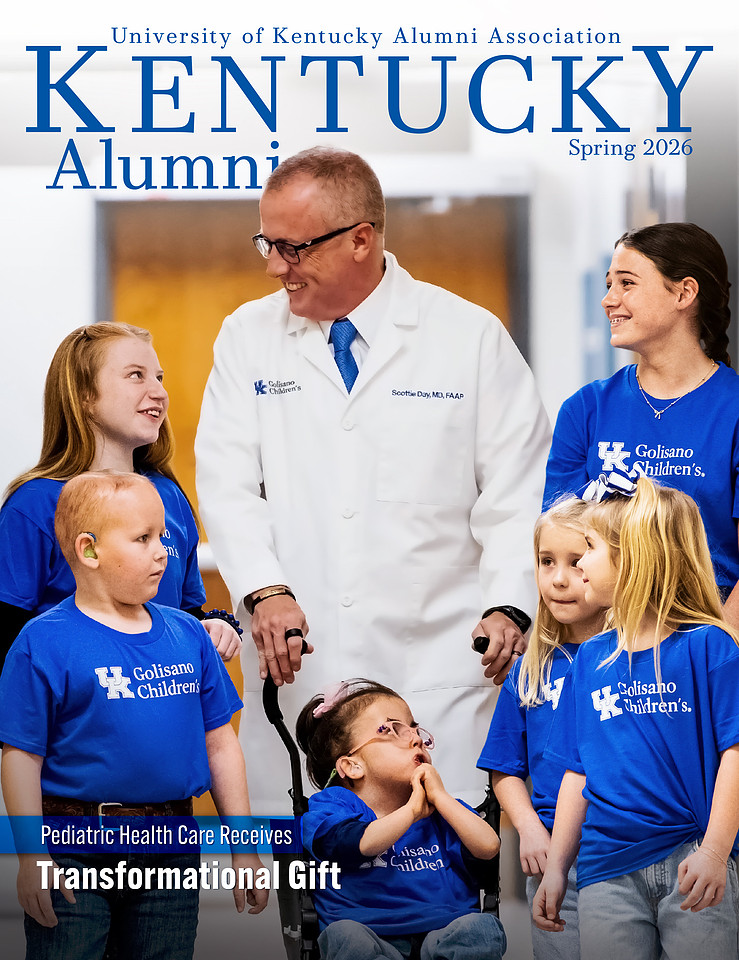

The Spring Cover of the University of Kentucky Alumni Magazine.
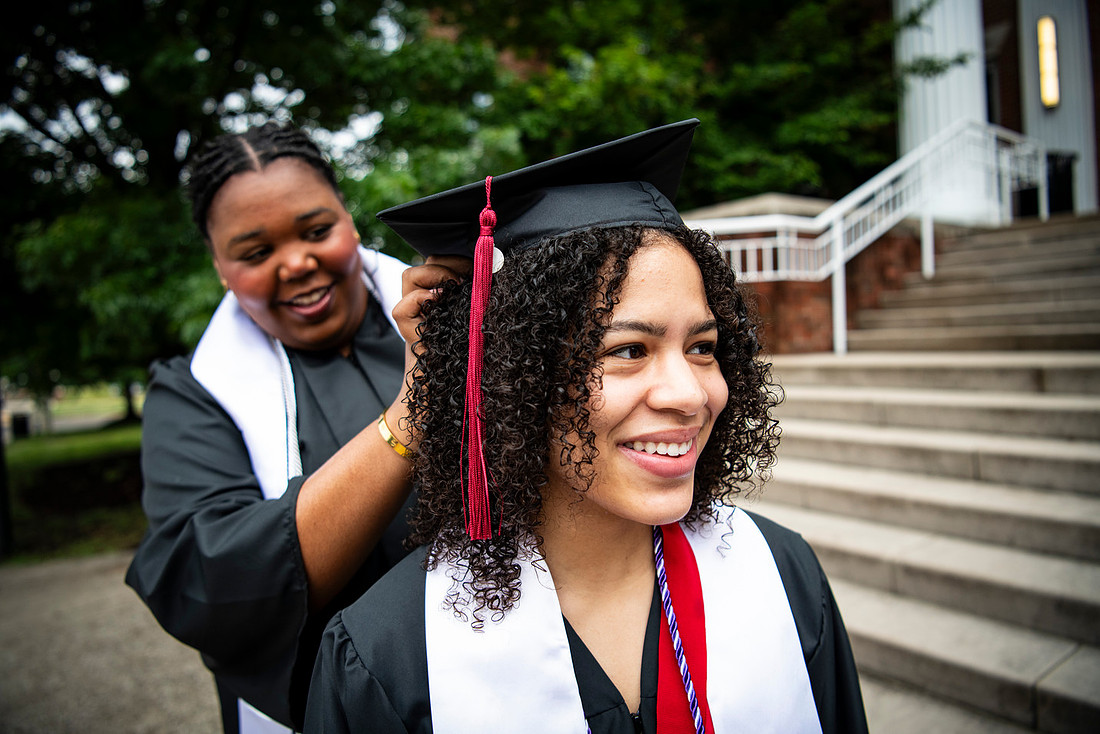
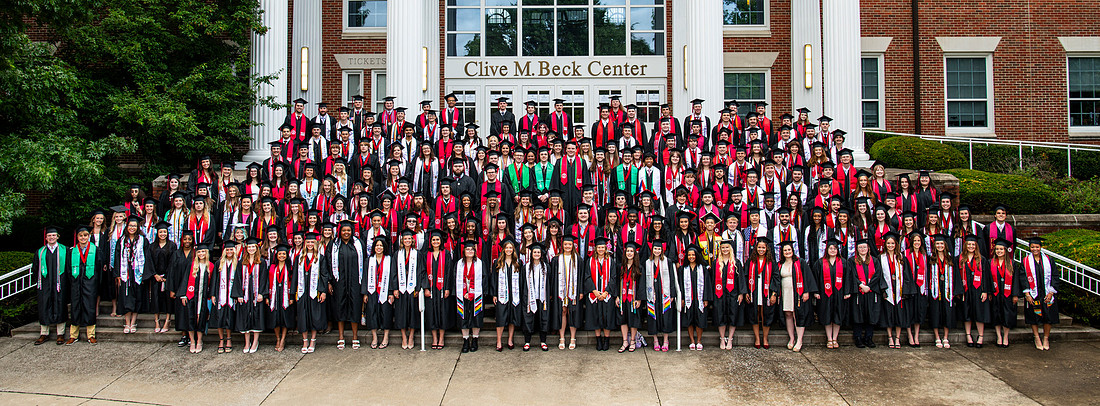
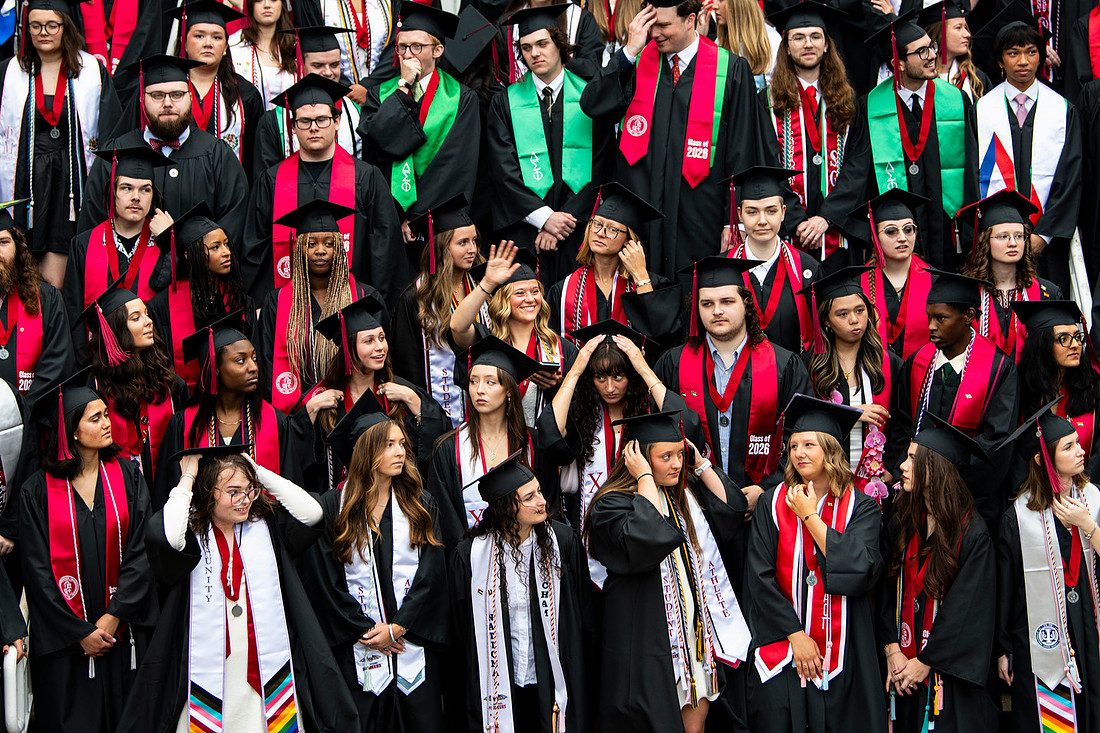
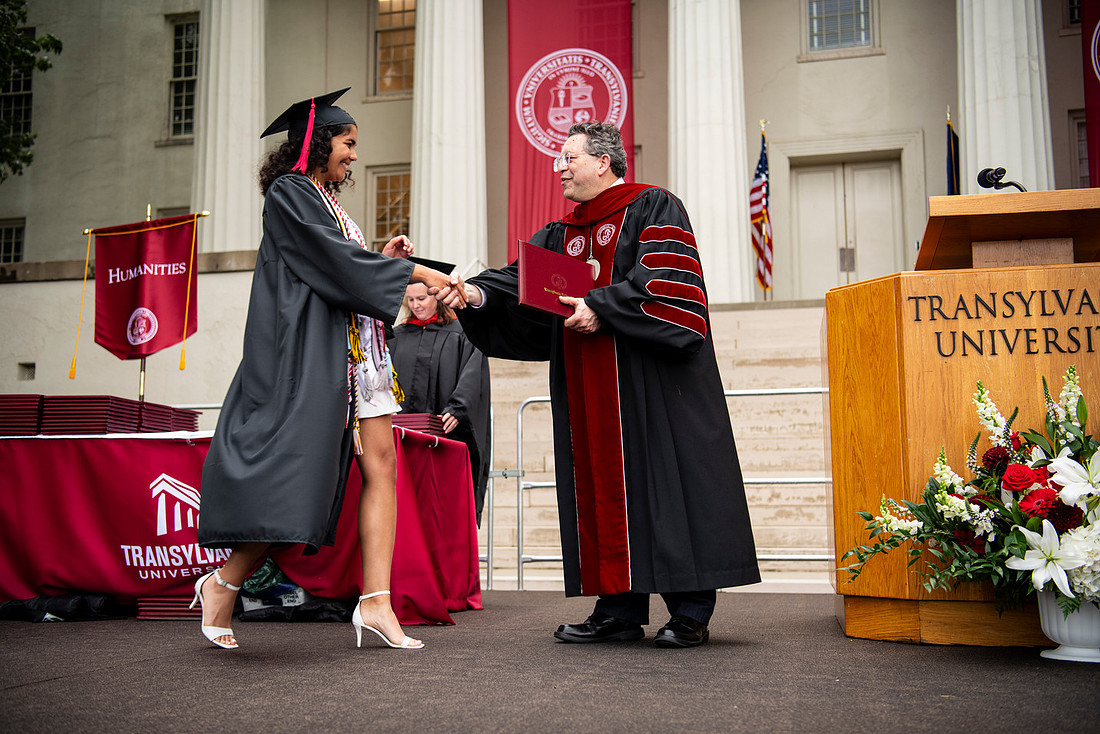
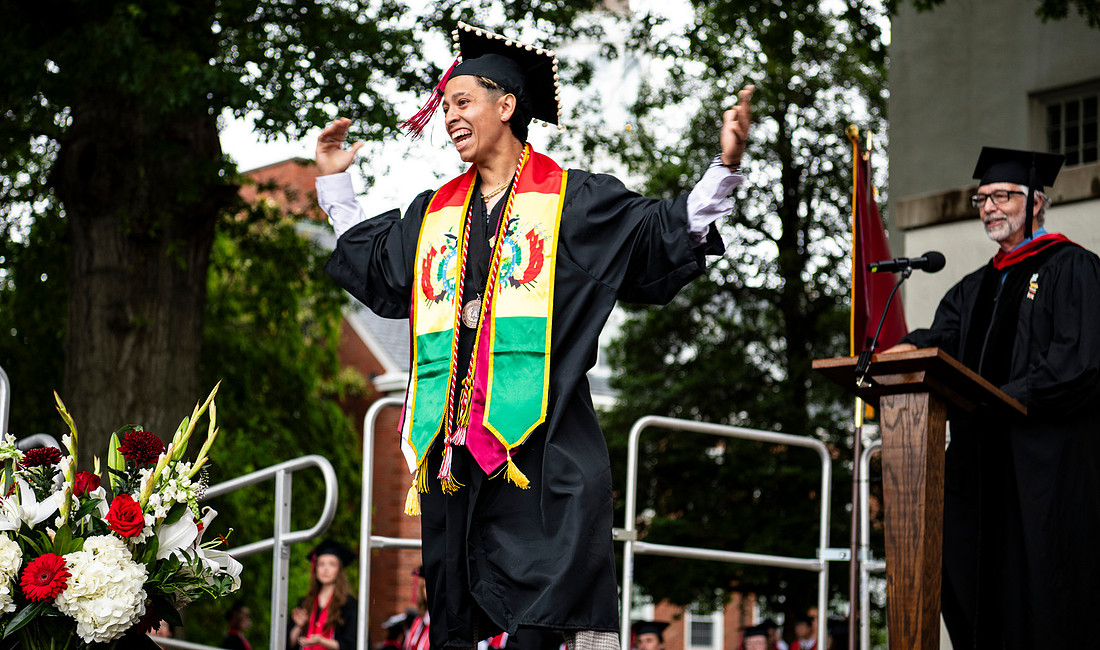
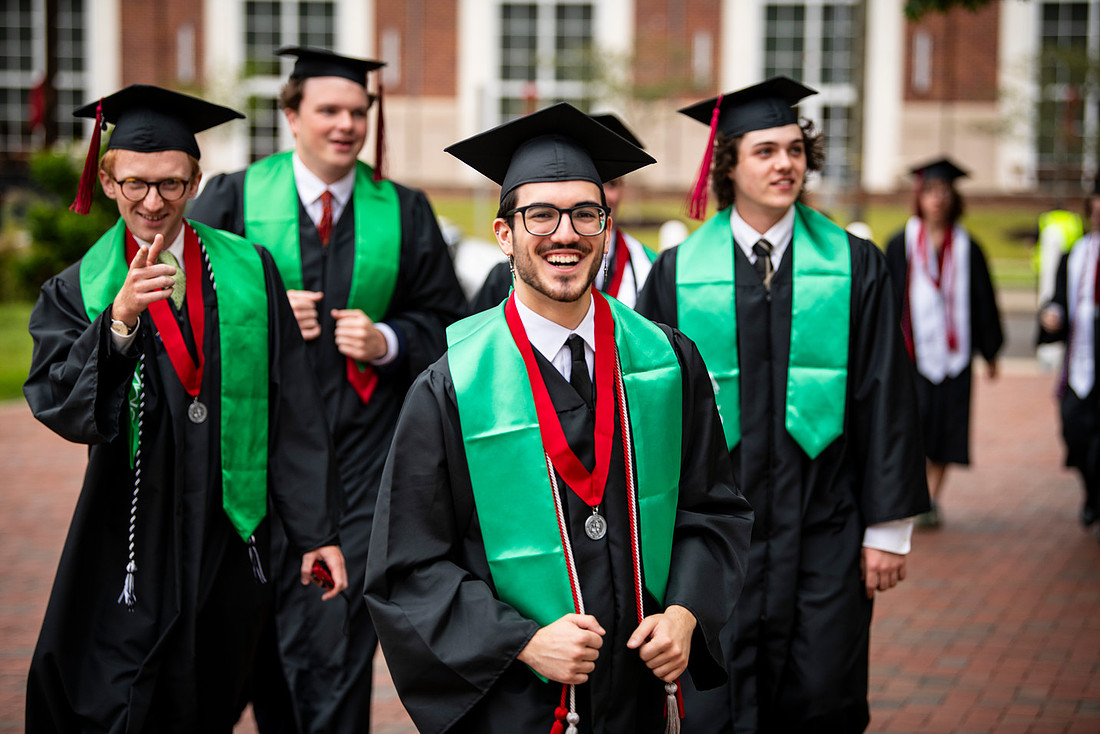
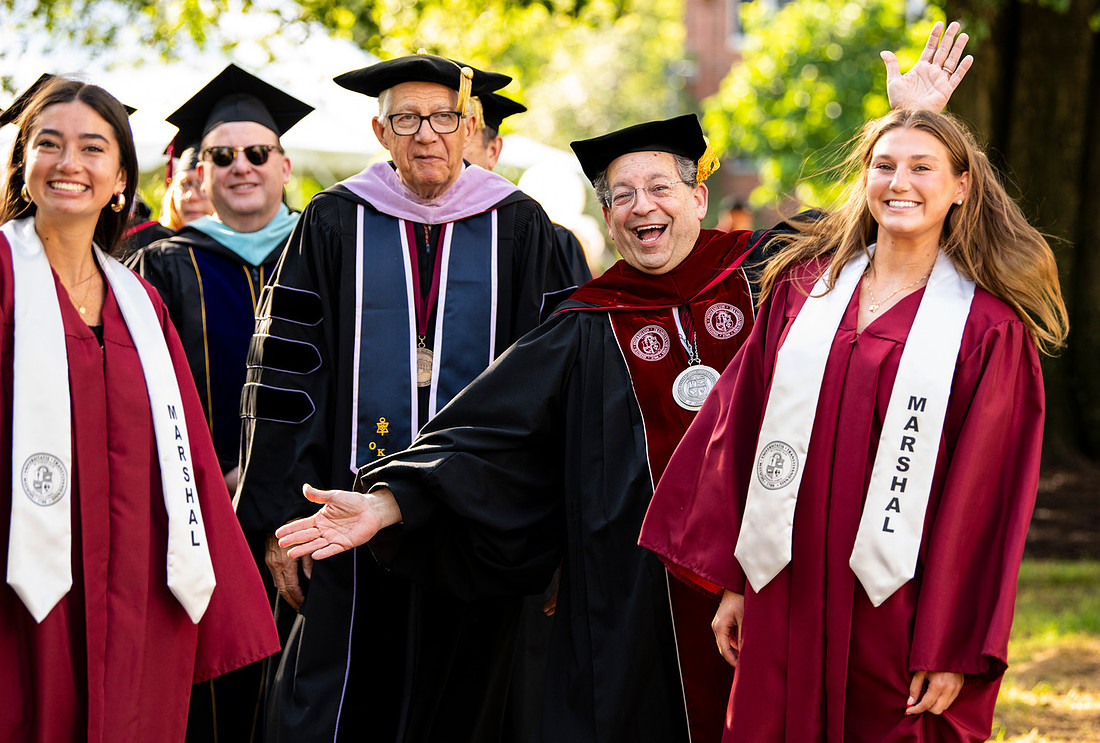
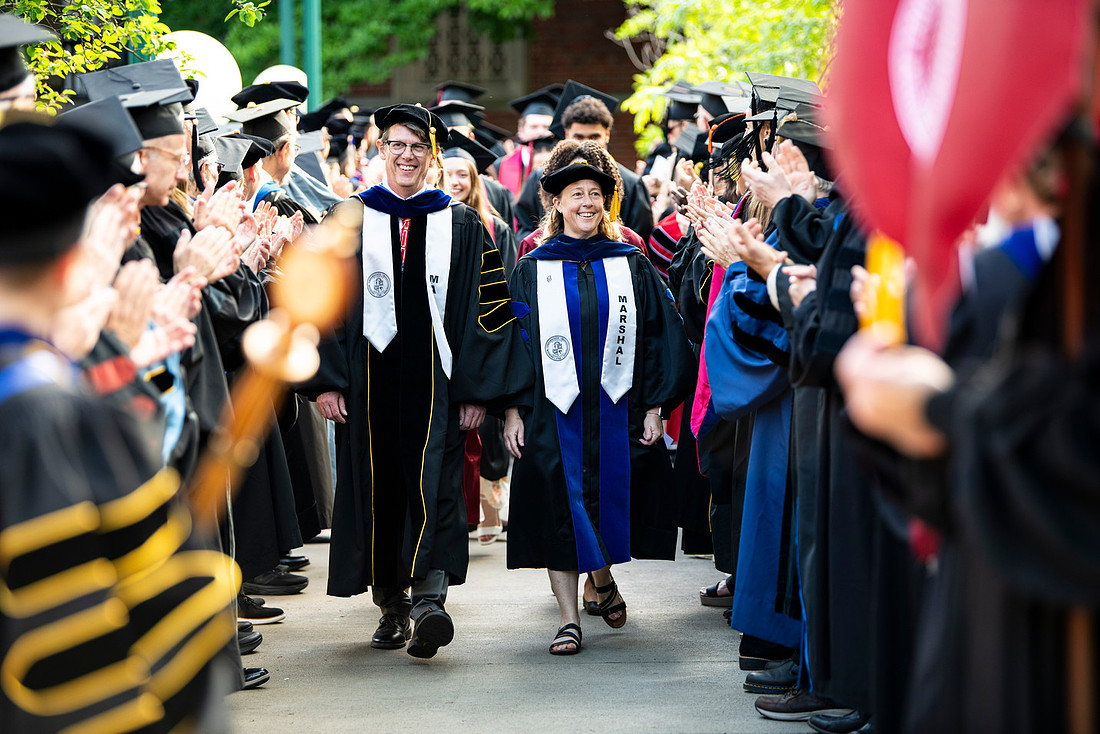

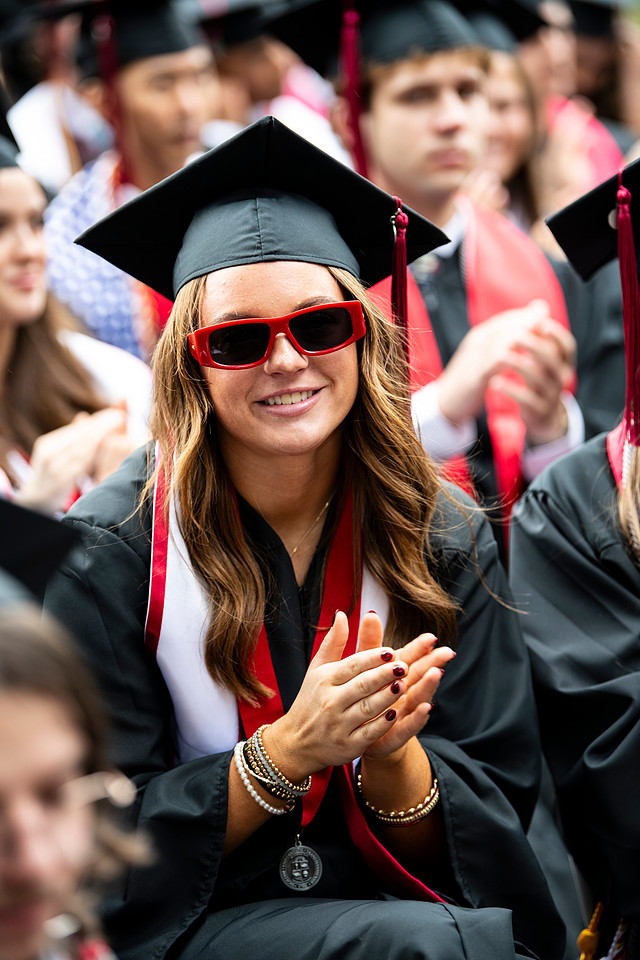
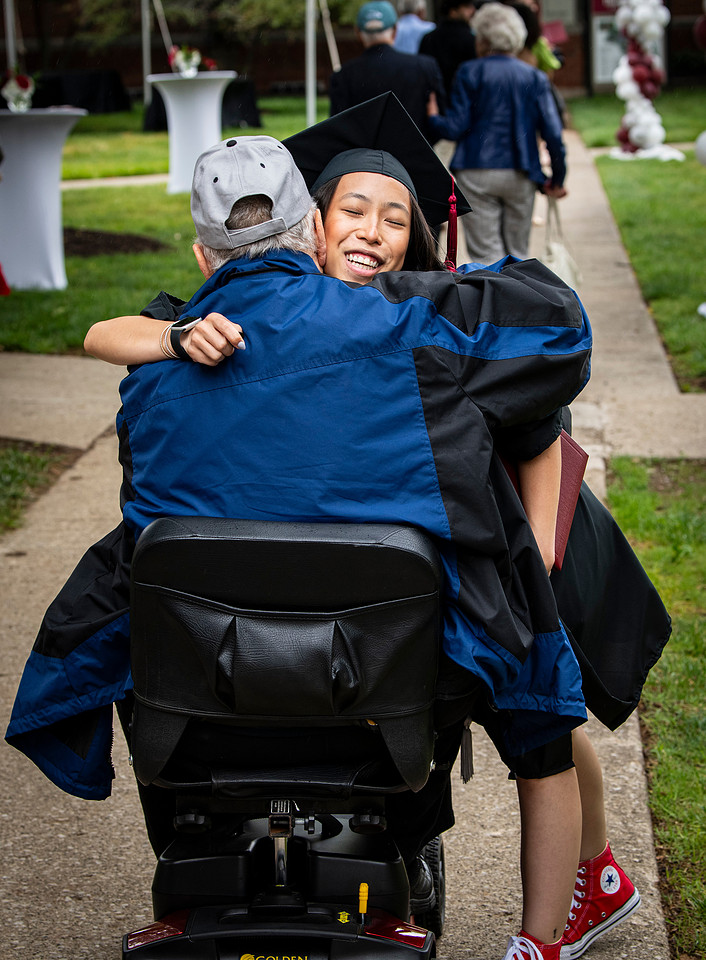
Transylvania University's Spring Commencement.
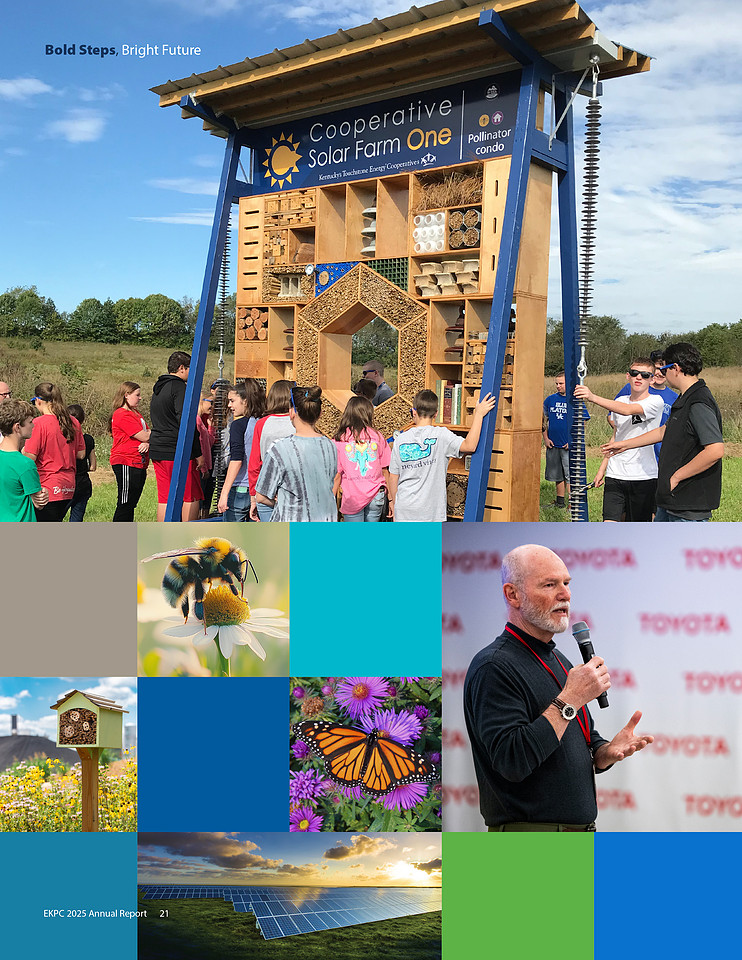
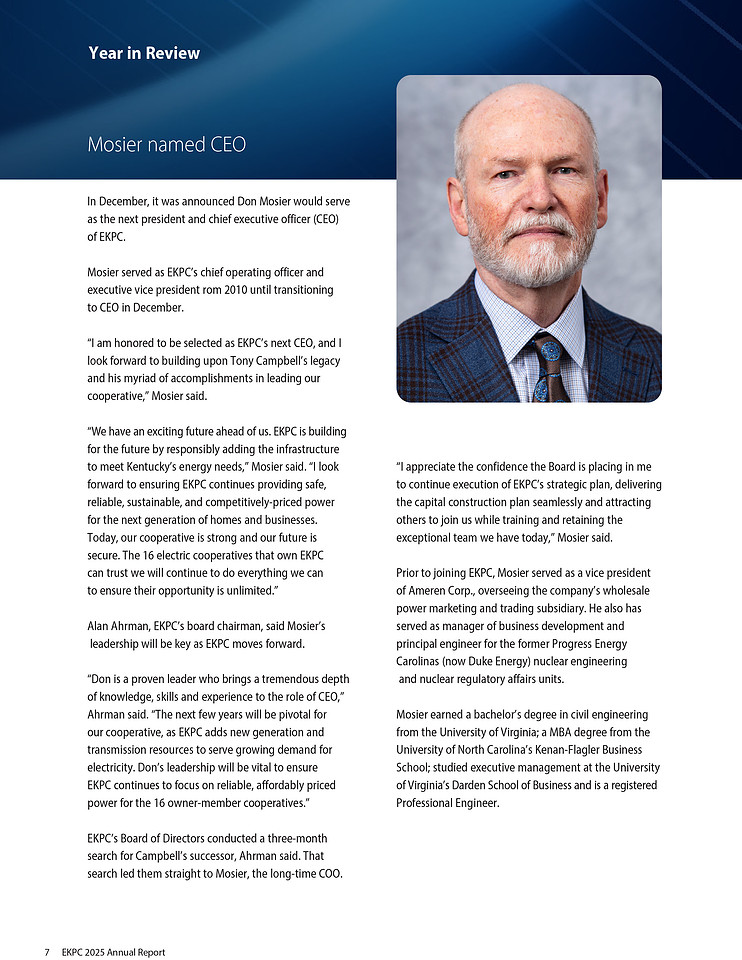
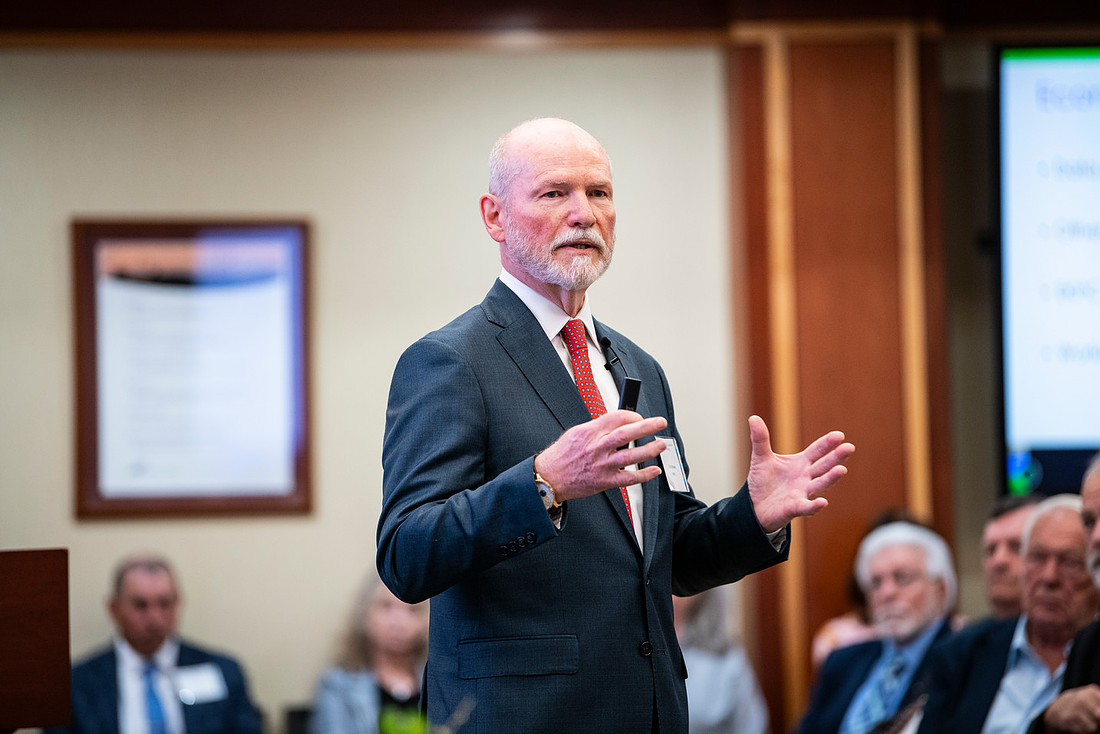 East Kentucky Power's new CEO Don Mosier speaks during a board of director's meeting in June.
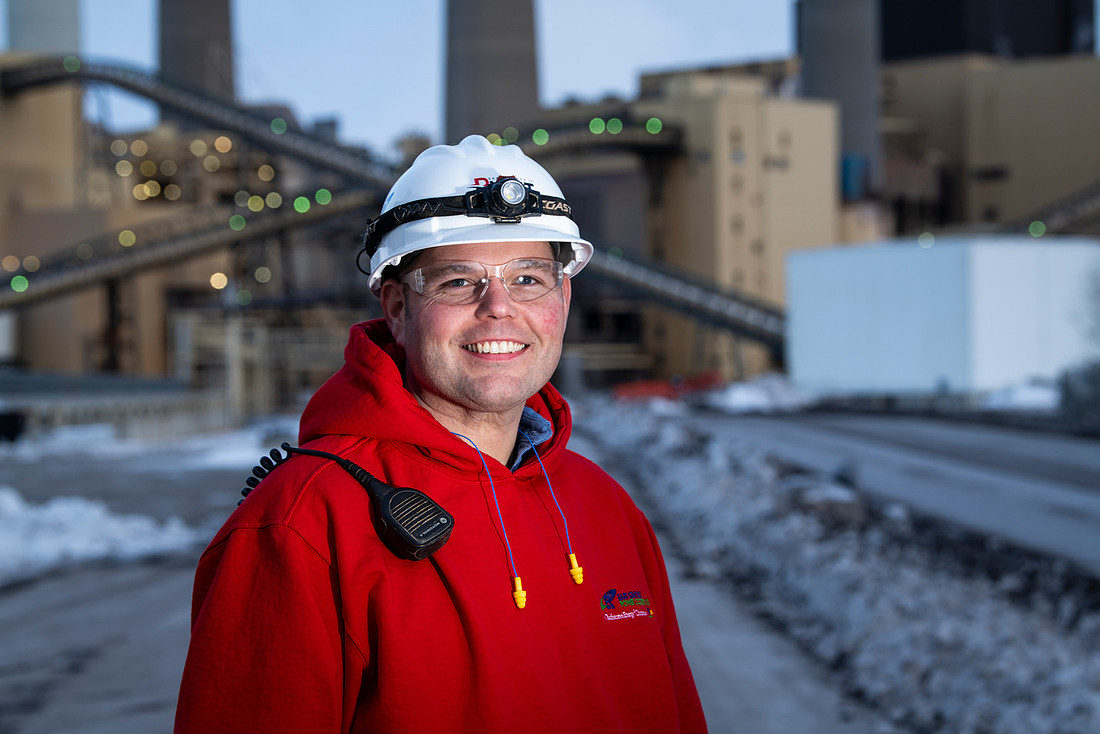
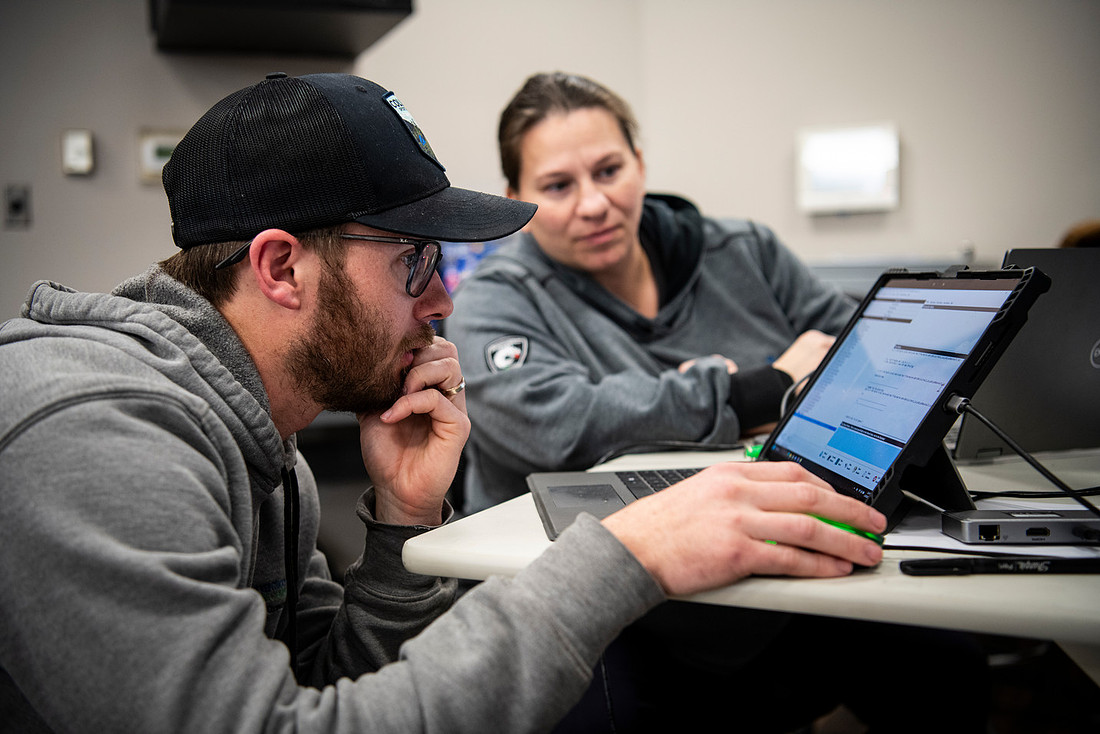
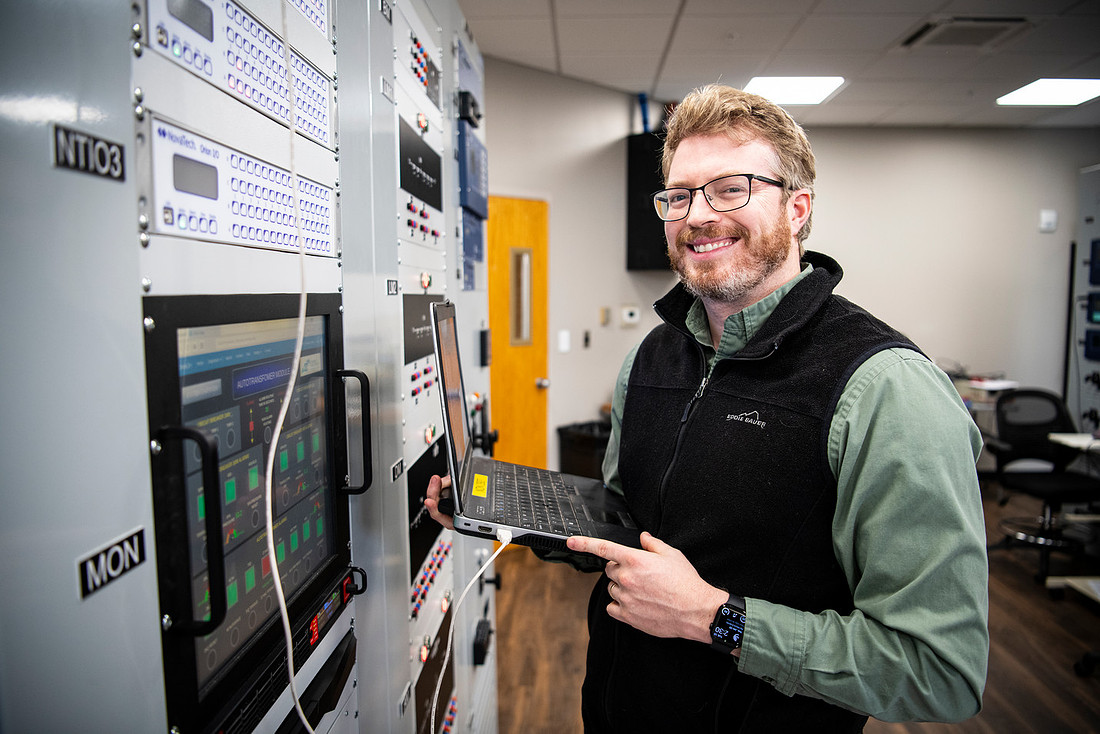
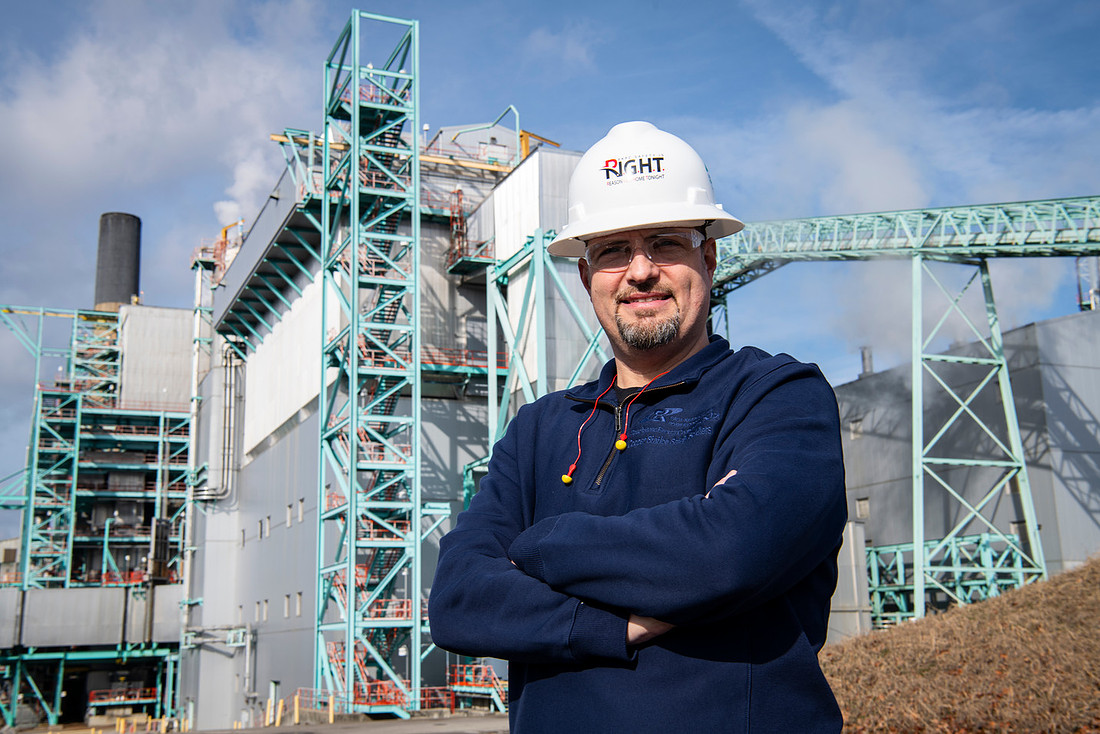
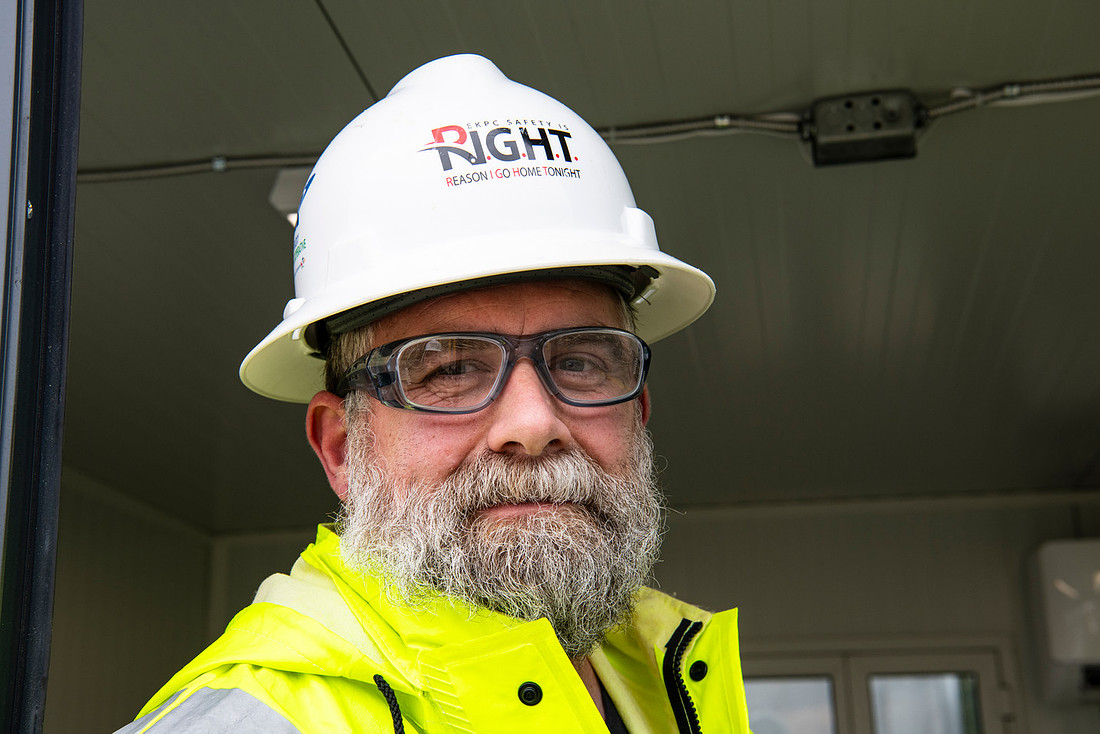
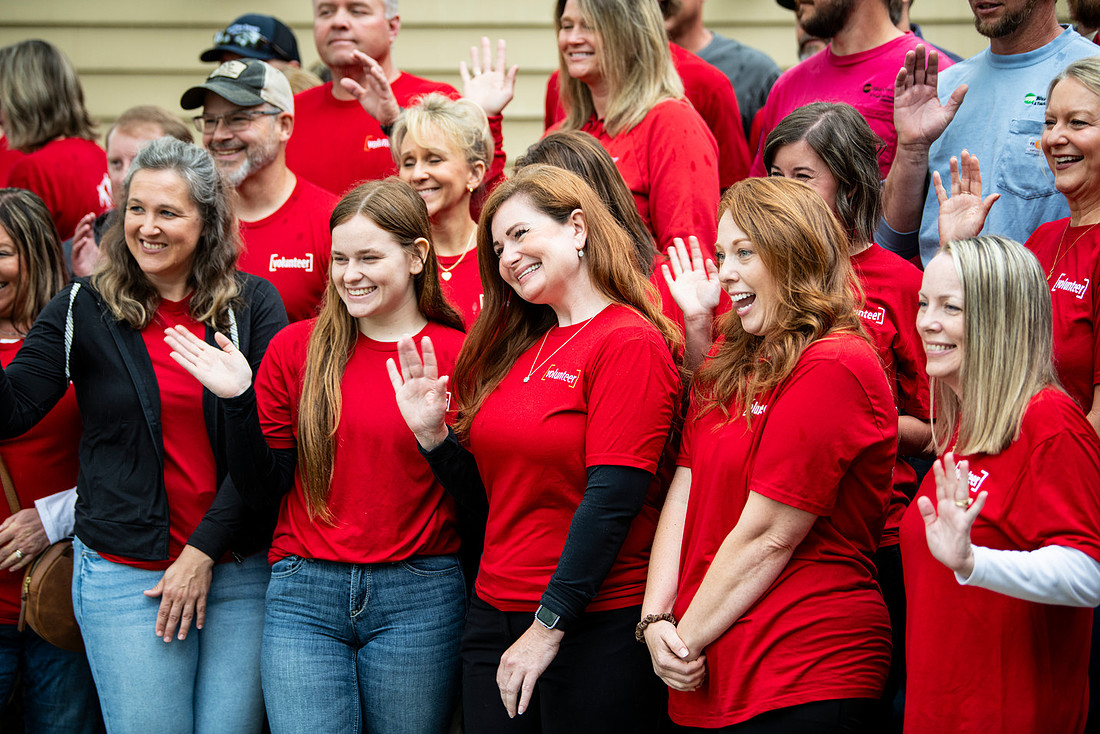
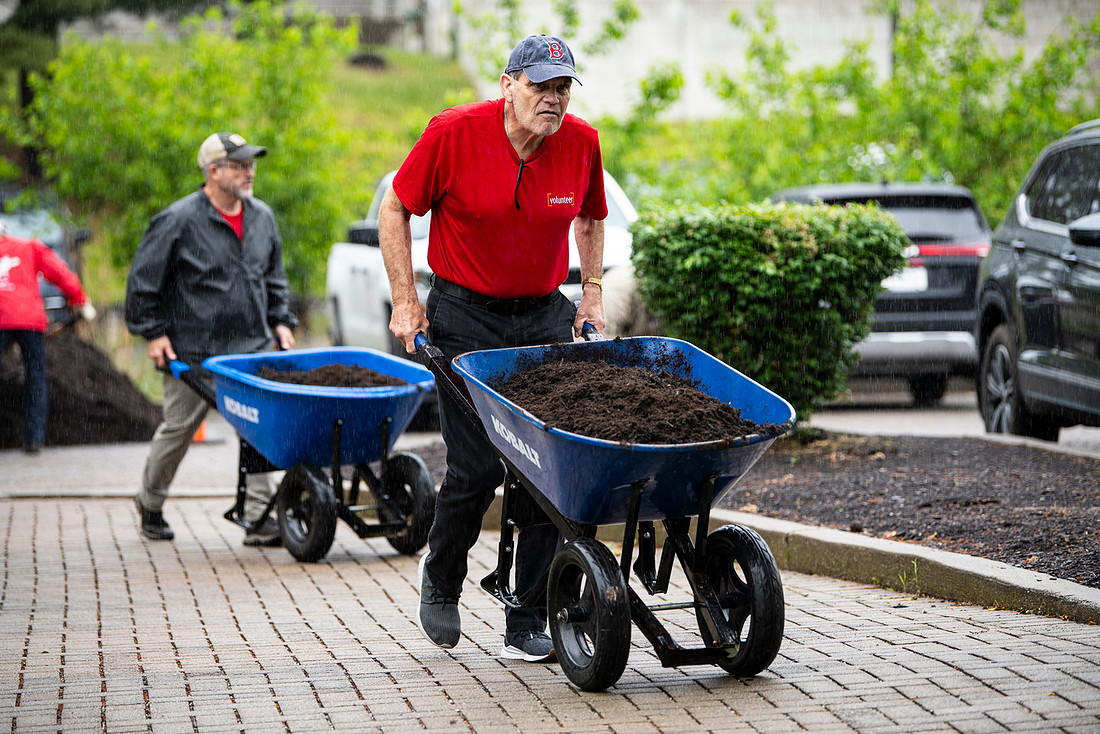
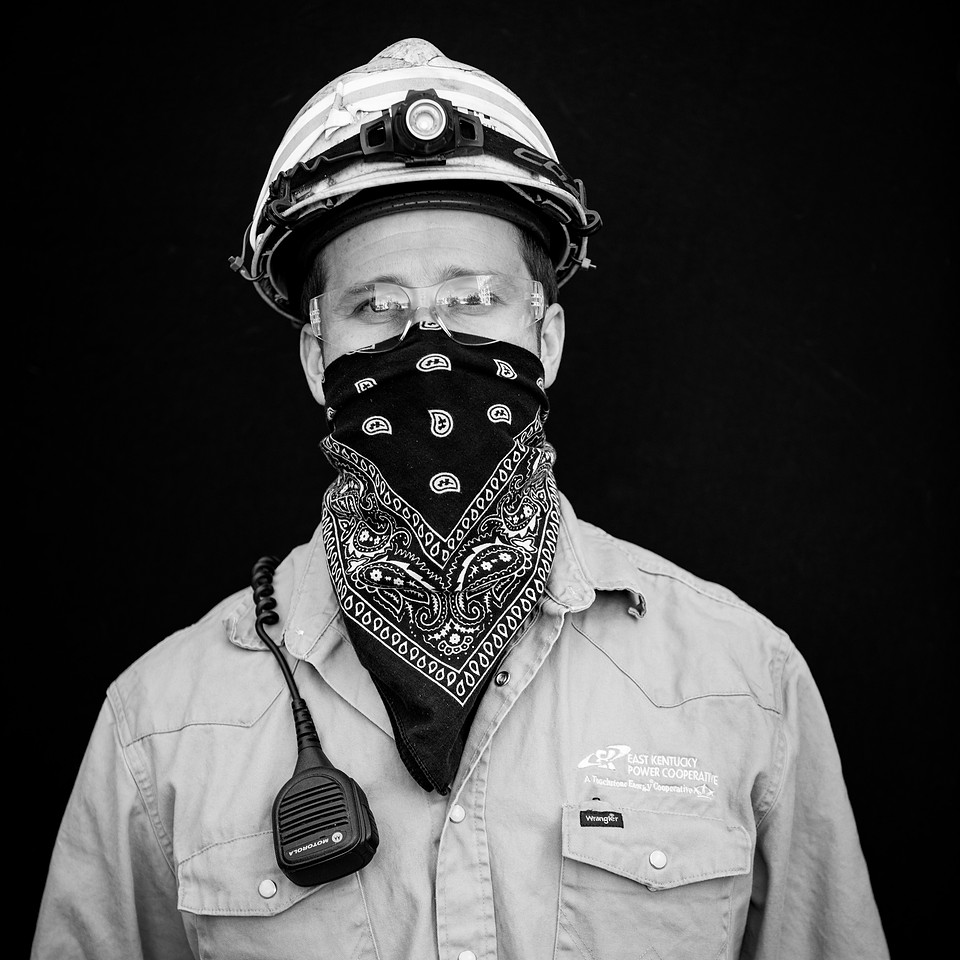
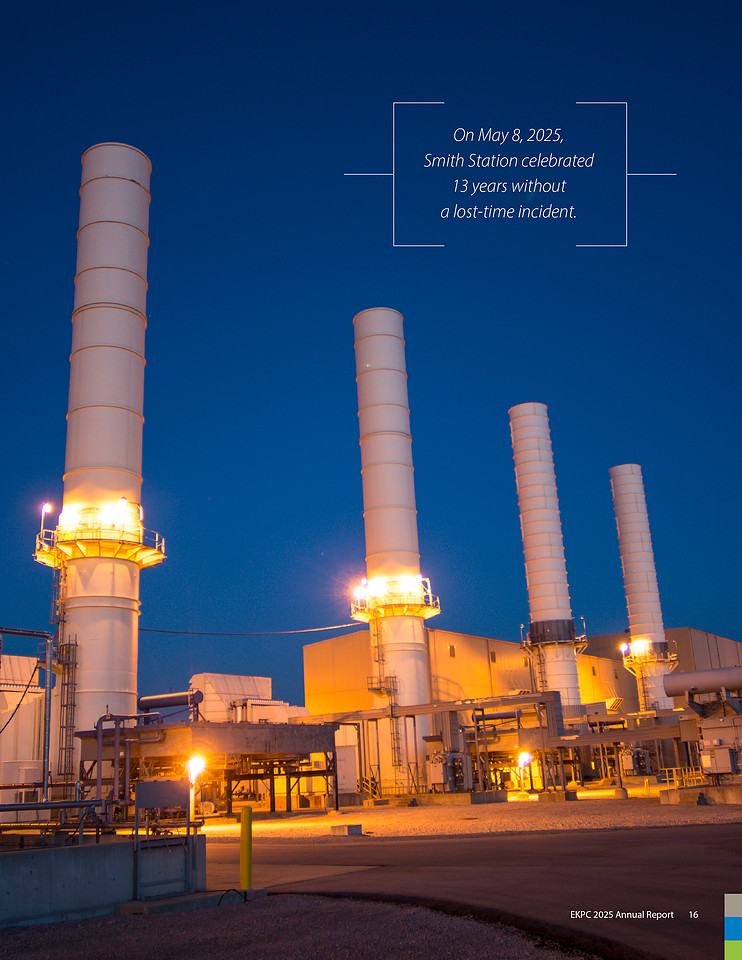
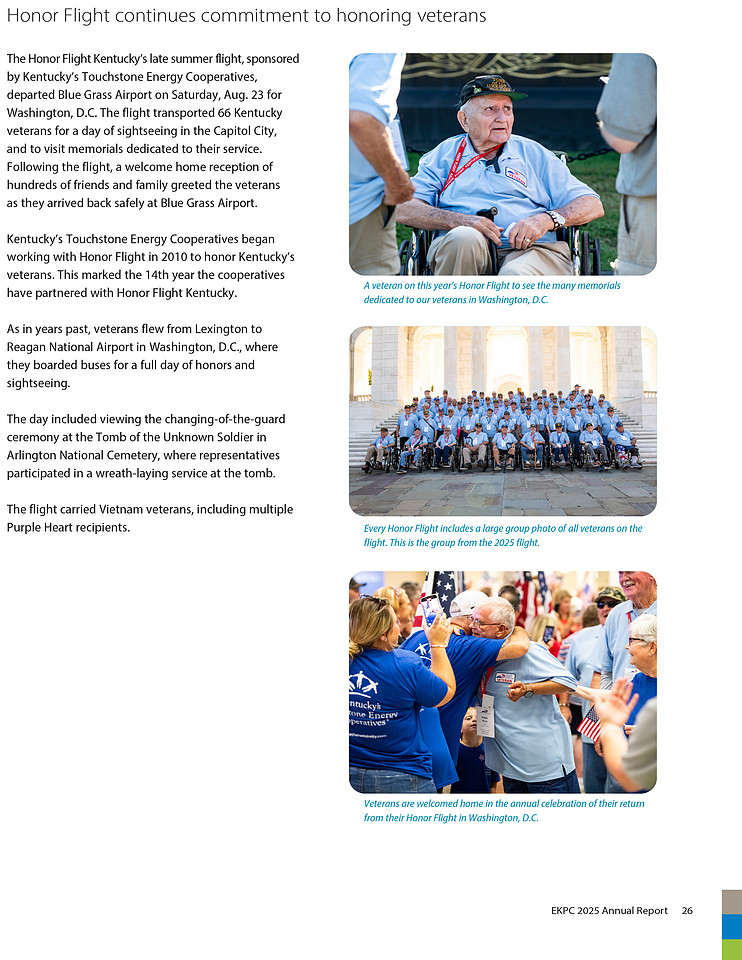
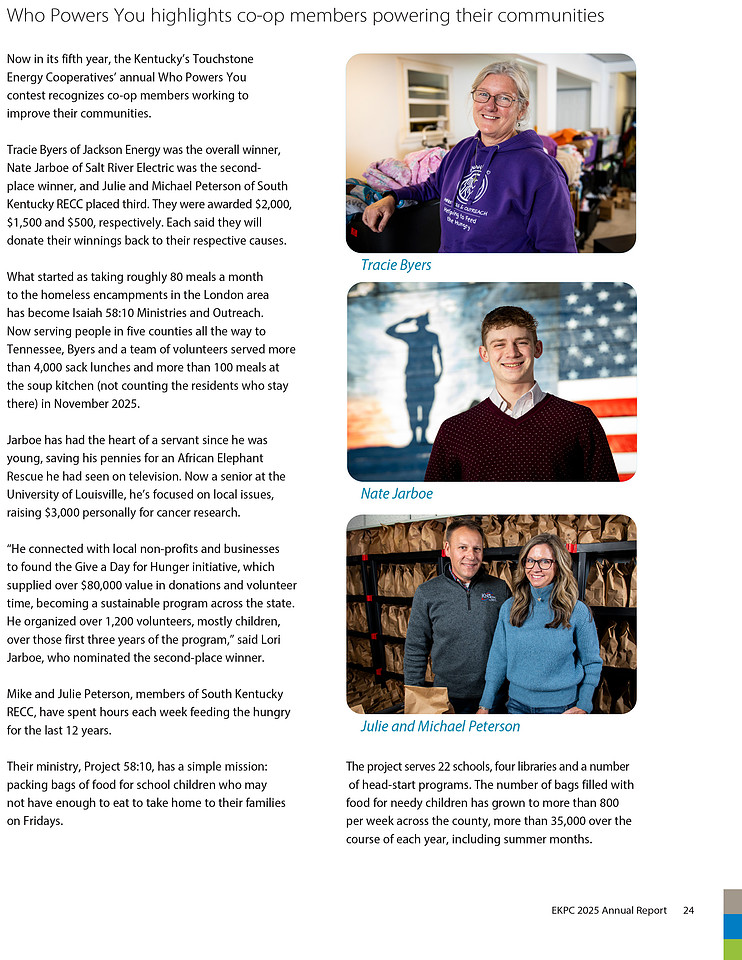
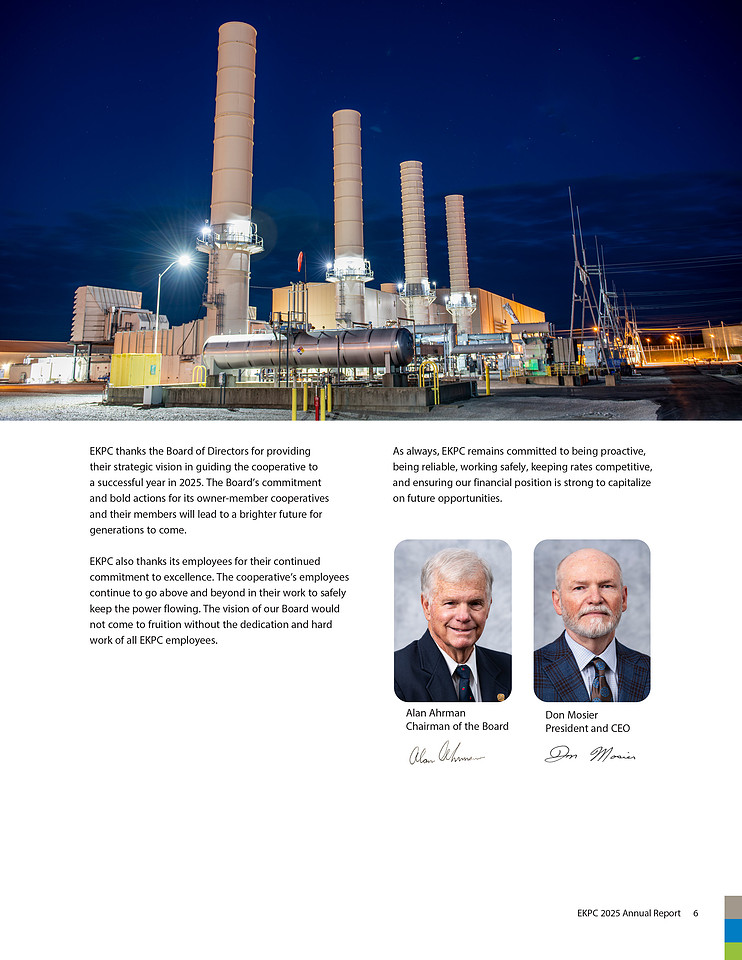
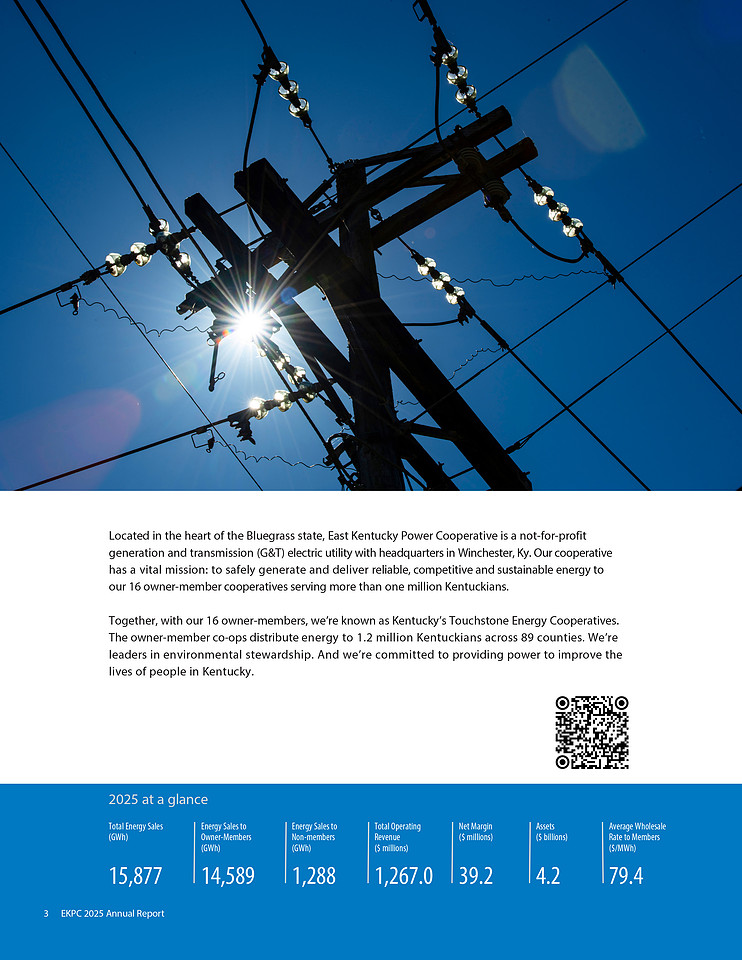
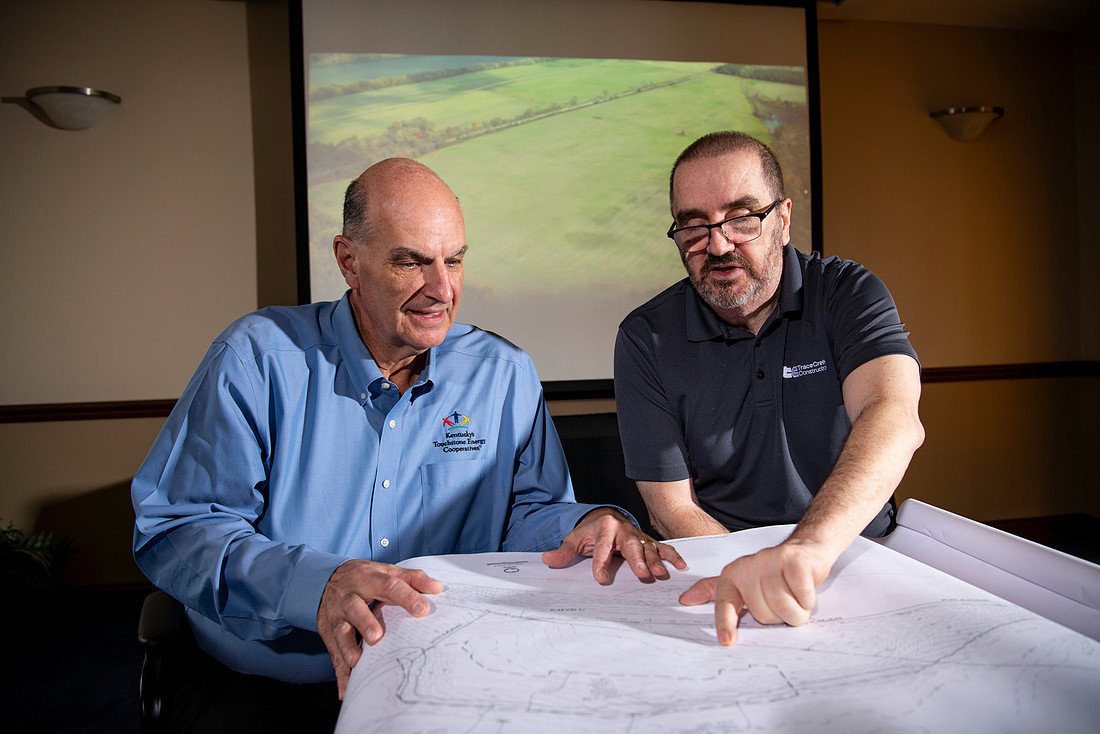 More stuff from East Kentucky Power.
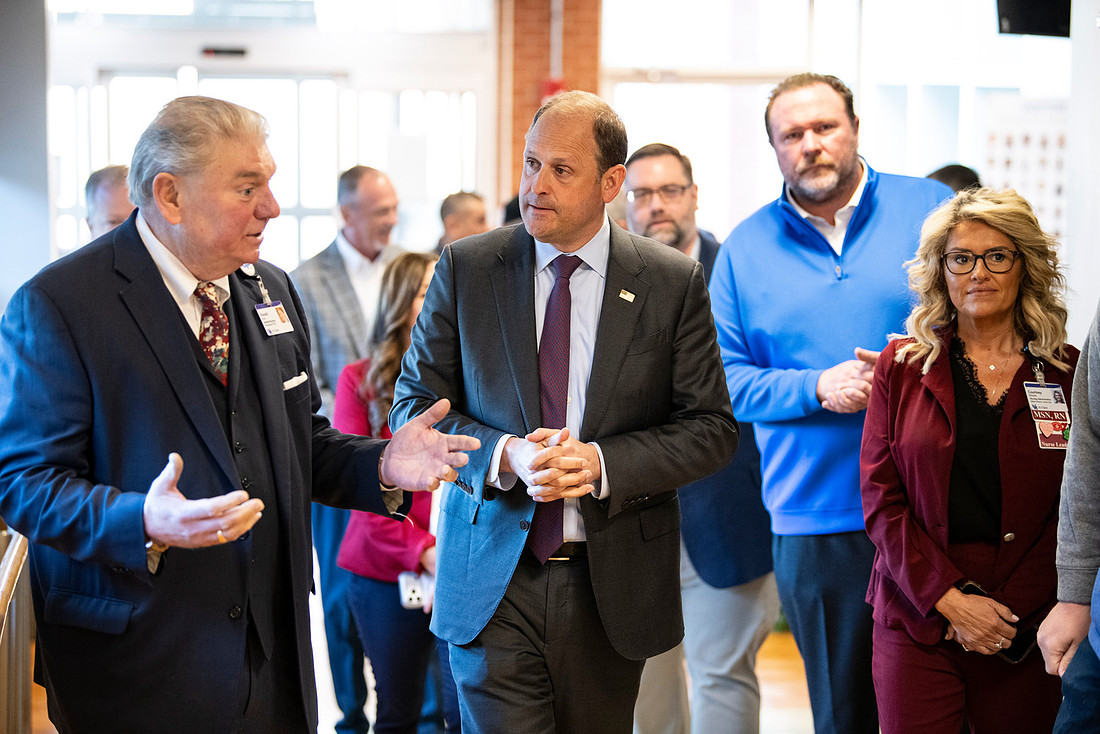
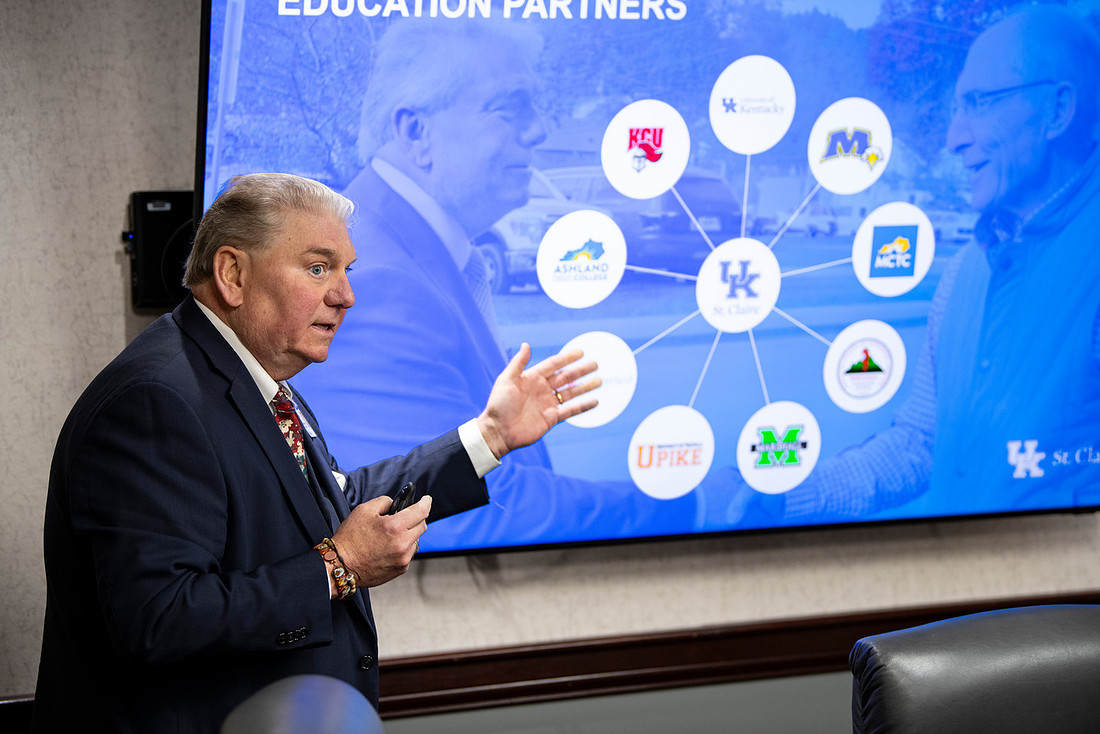
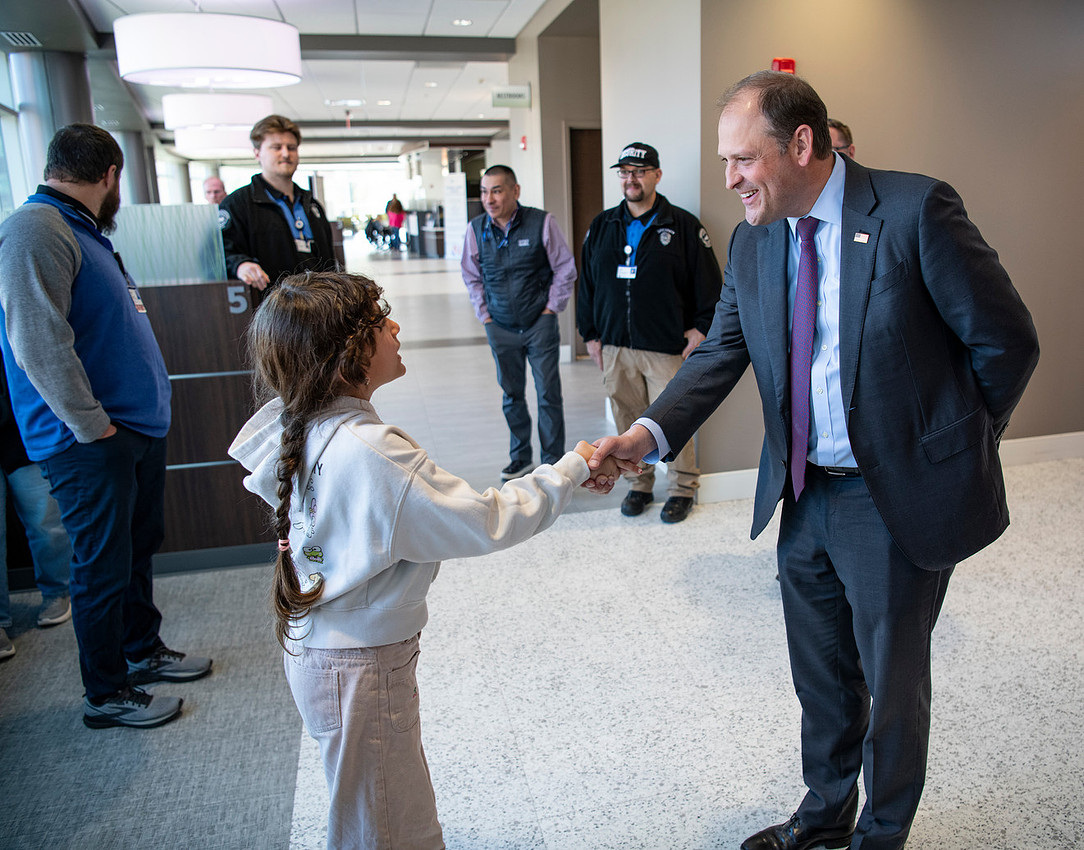 Congressman Andy Barr visits UK Saint Claire Hospital in Morehead in March.
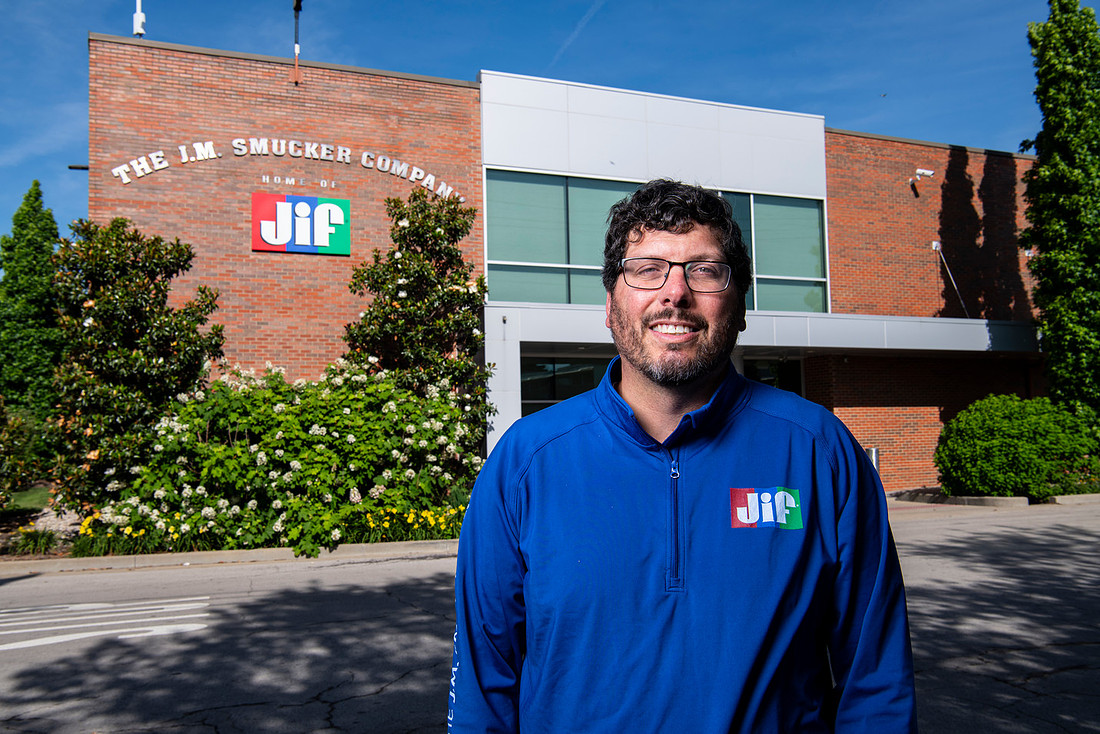
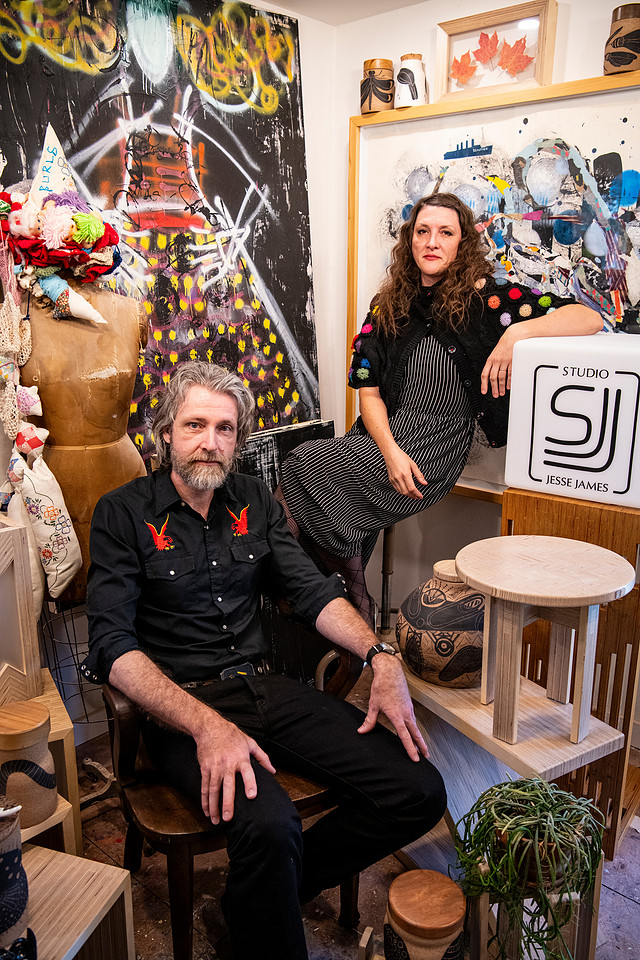
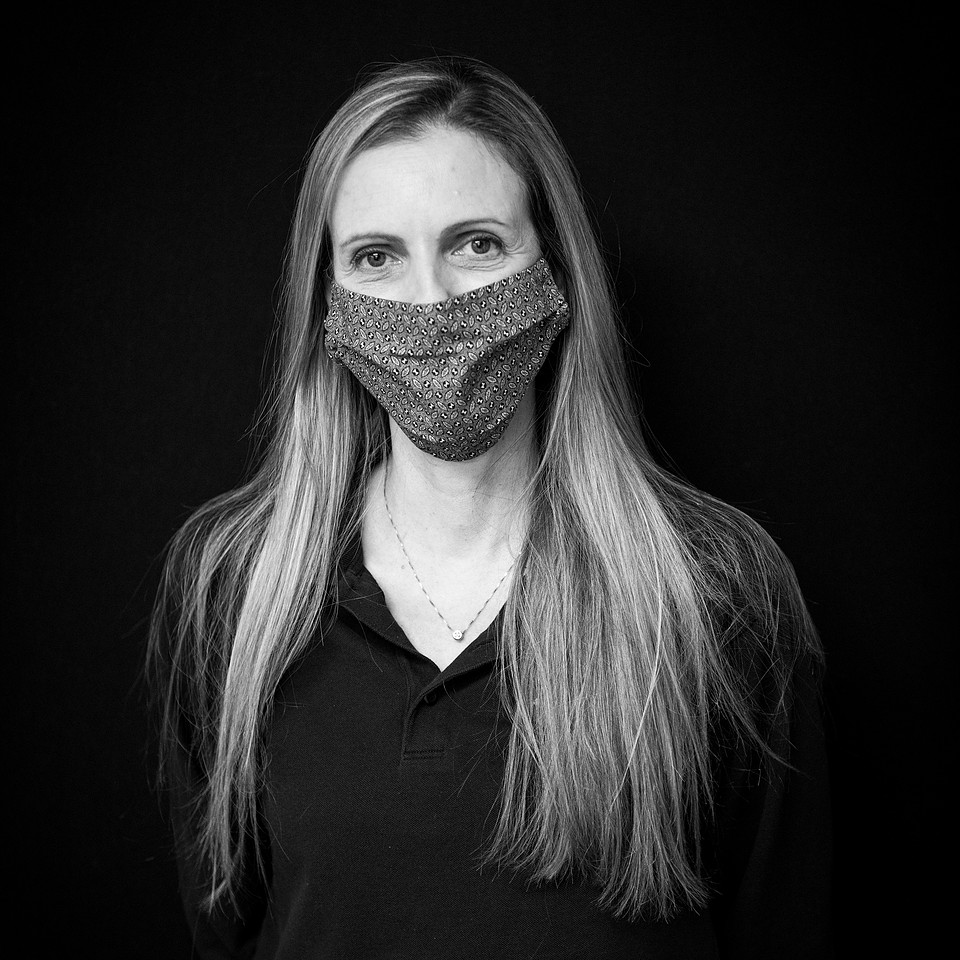
A couple of environmental portrait shoots for the Fall 2026 UK Alumni Magazine.
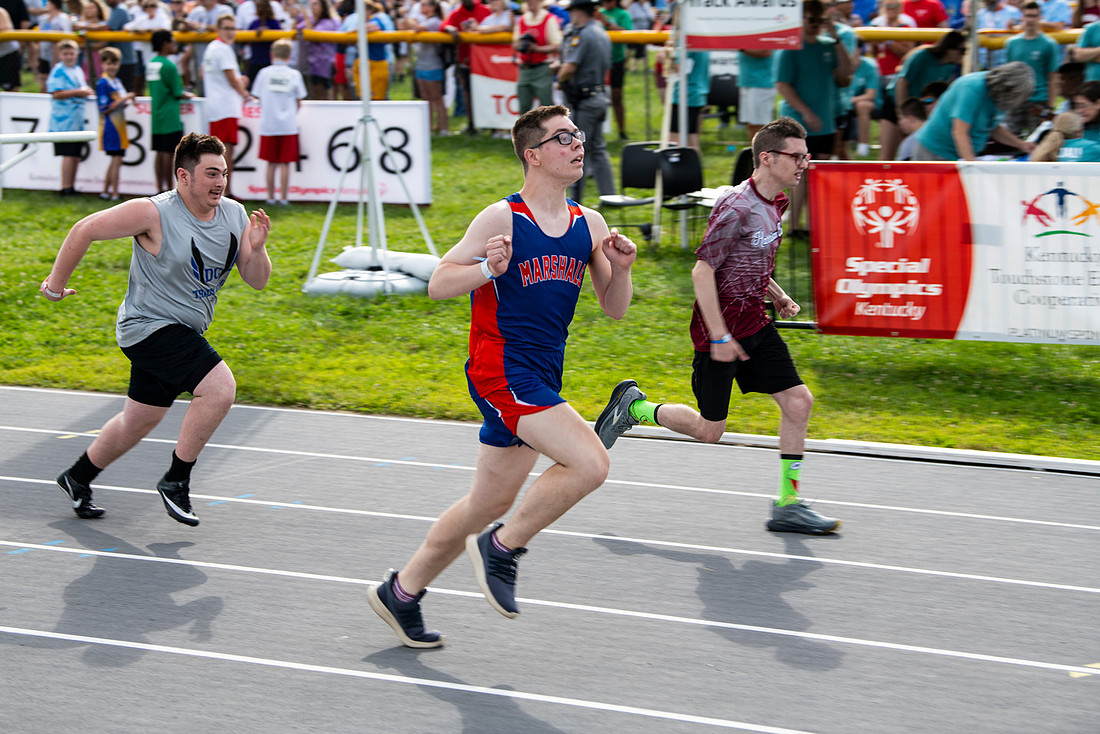 The Kentucky Special Olympics in June.

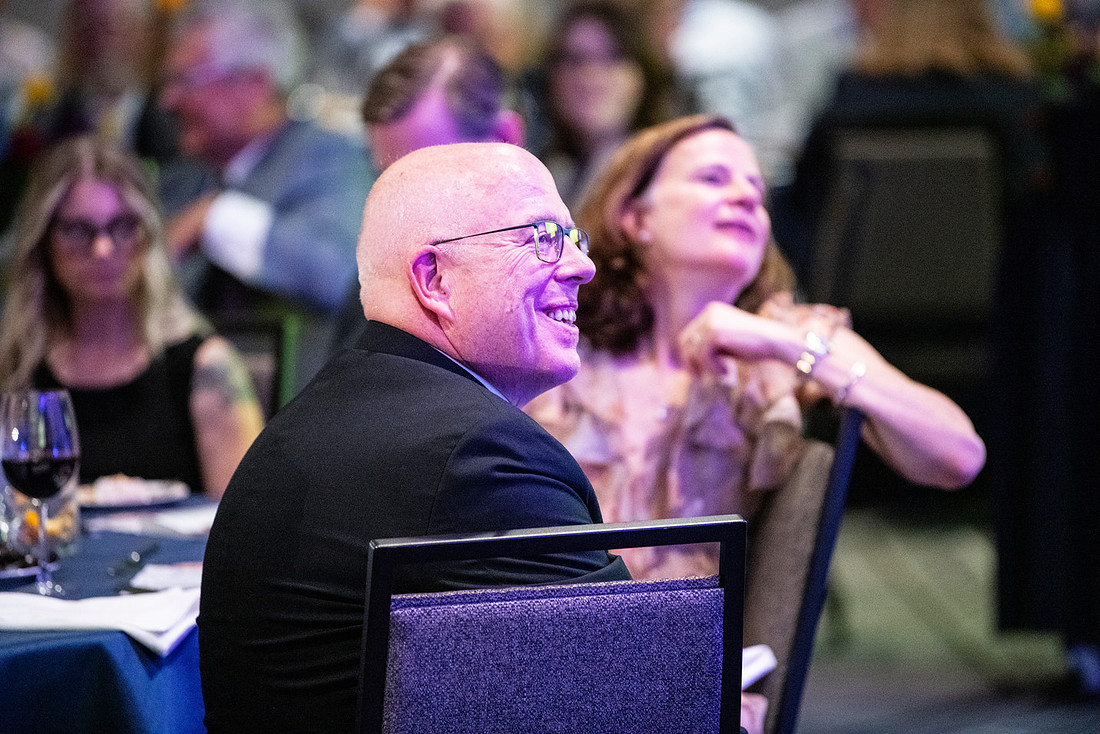
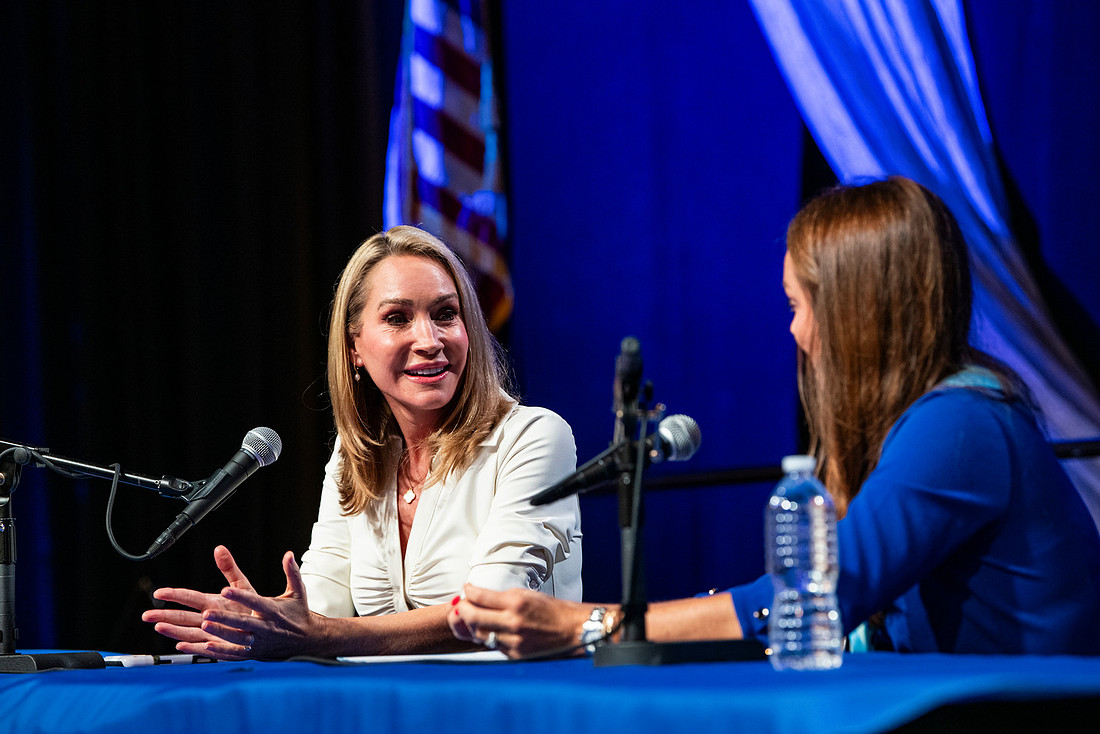
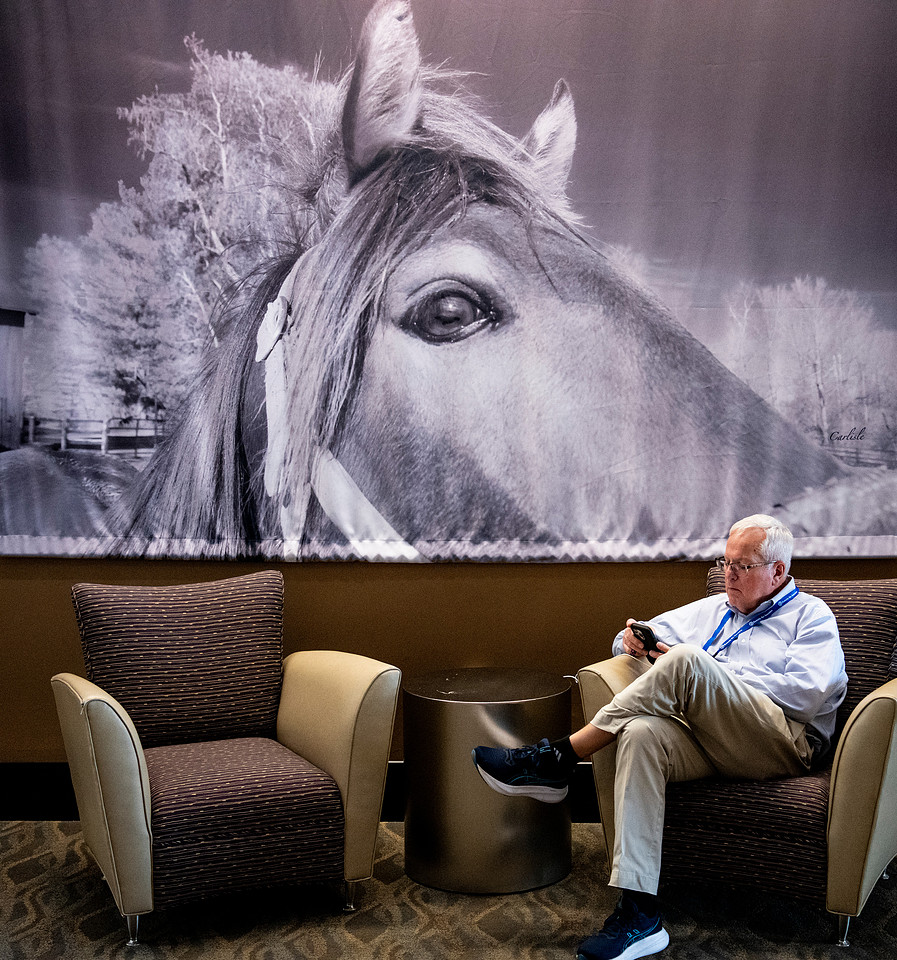
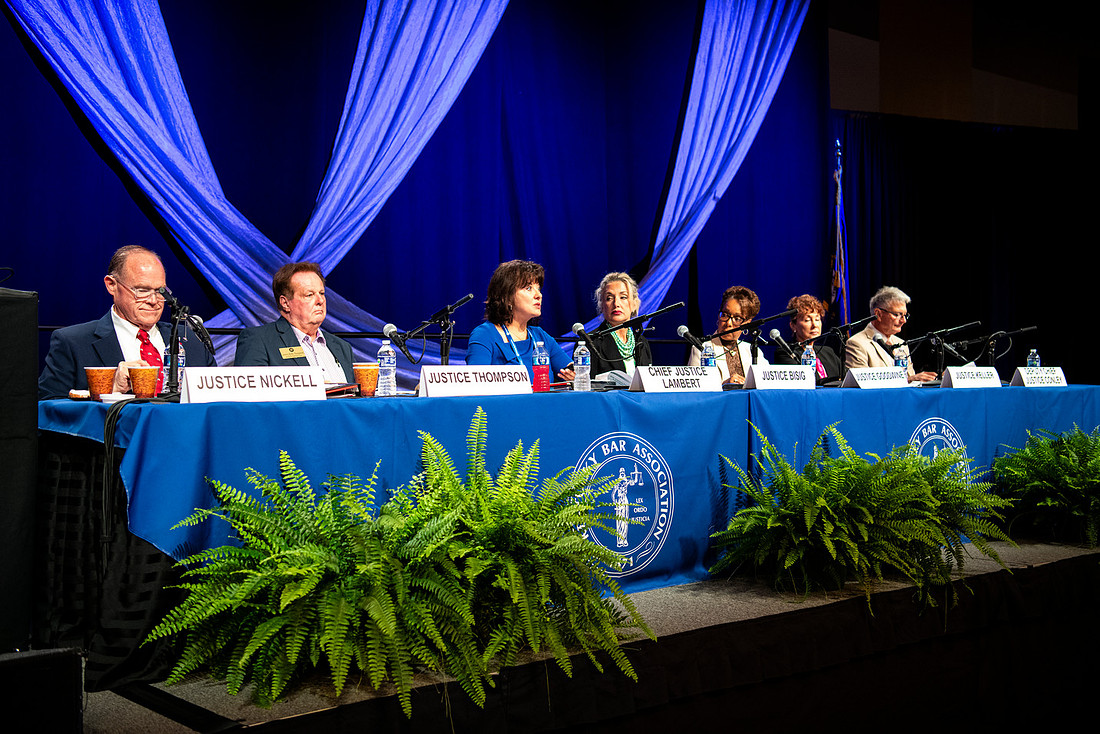 The Kentucky Bar Association Annual Convention in Covington in June.
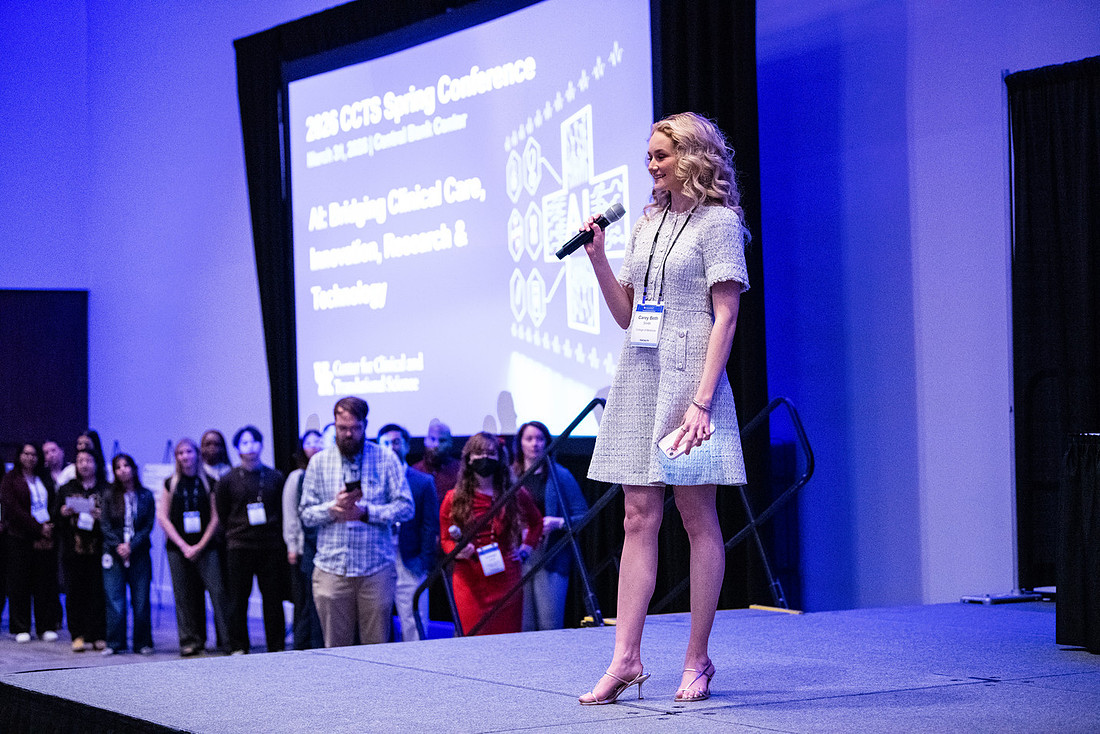
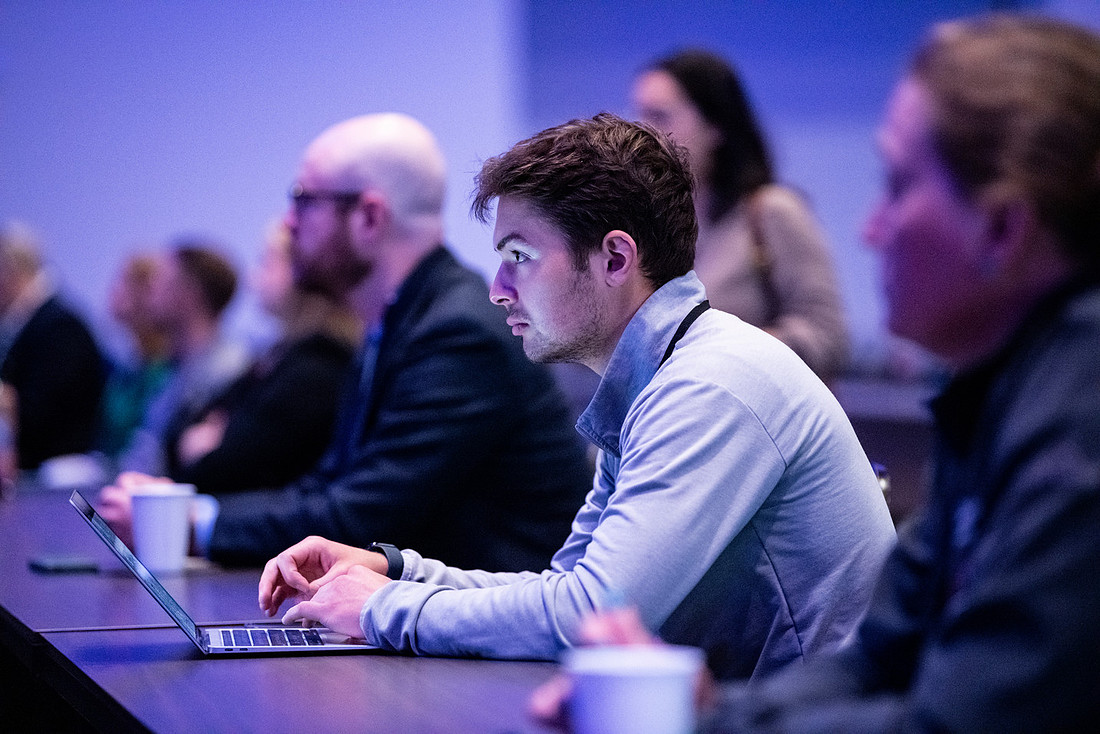
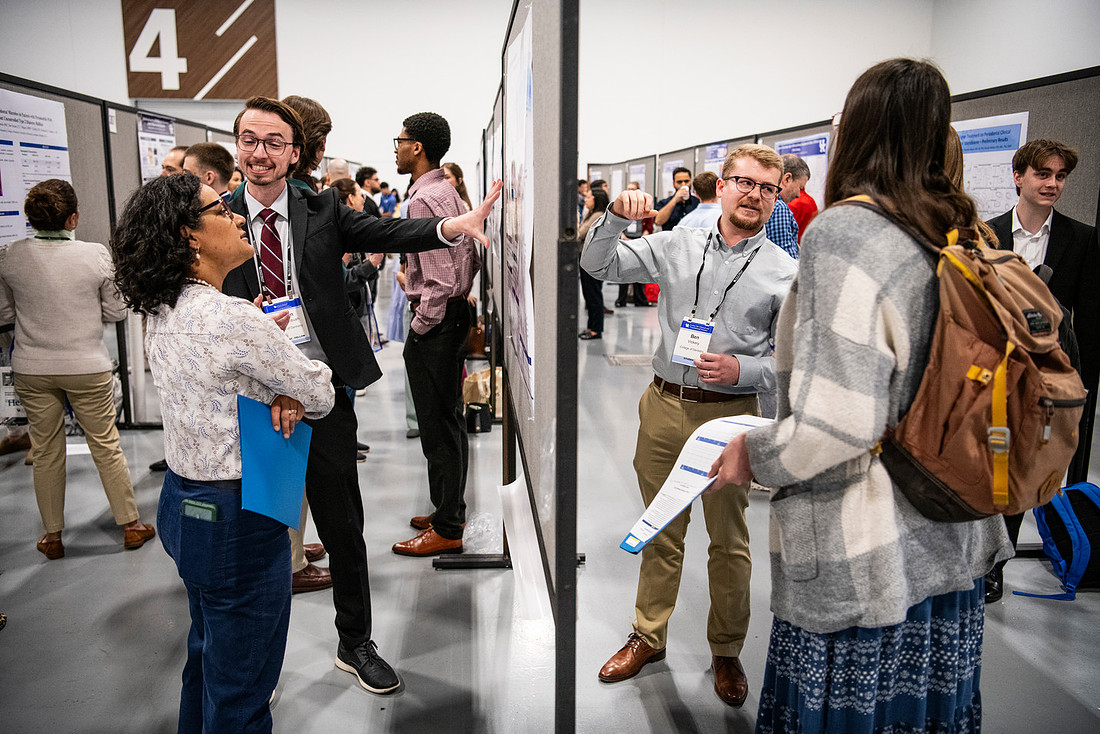 The University of Kentucky CCTS Spring Conference.
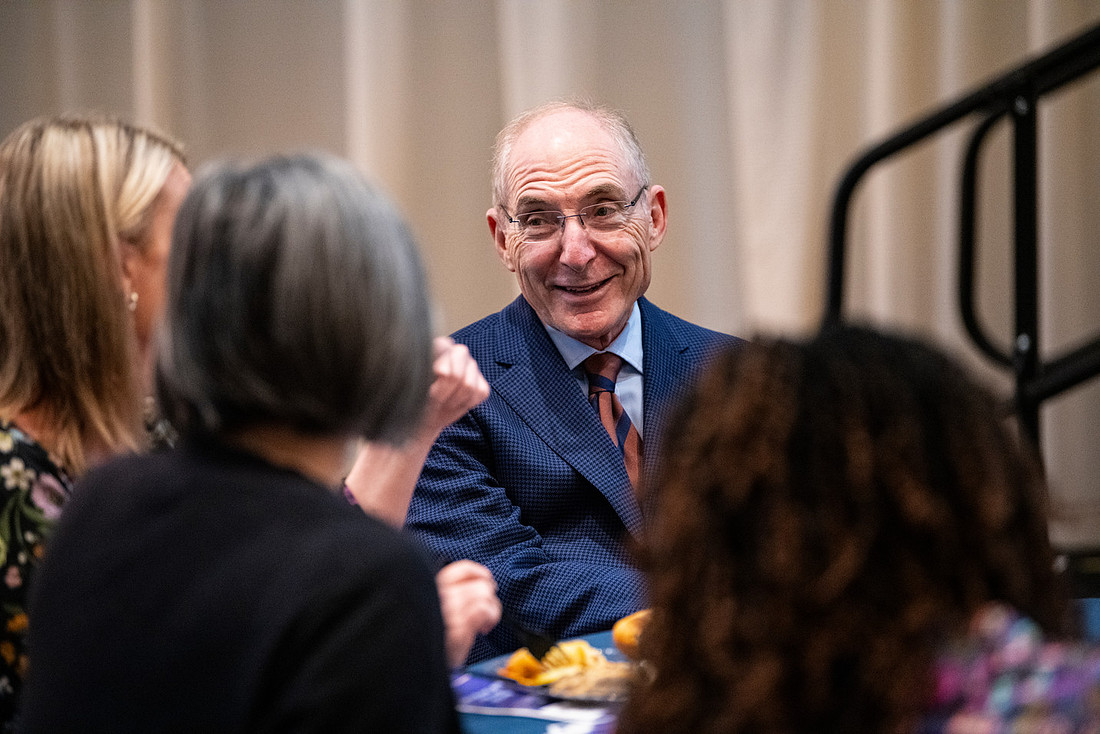
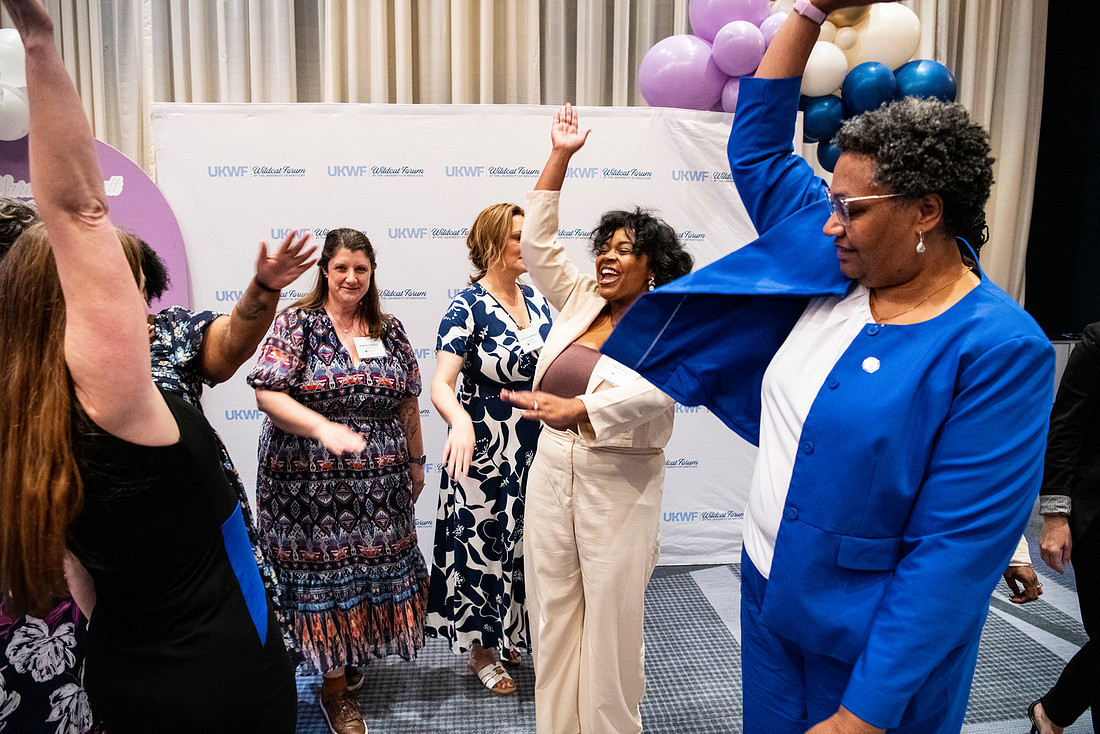 The University of Kentucky Sarah Bennett Holmes Awards Luncheon in March.
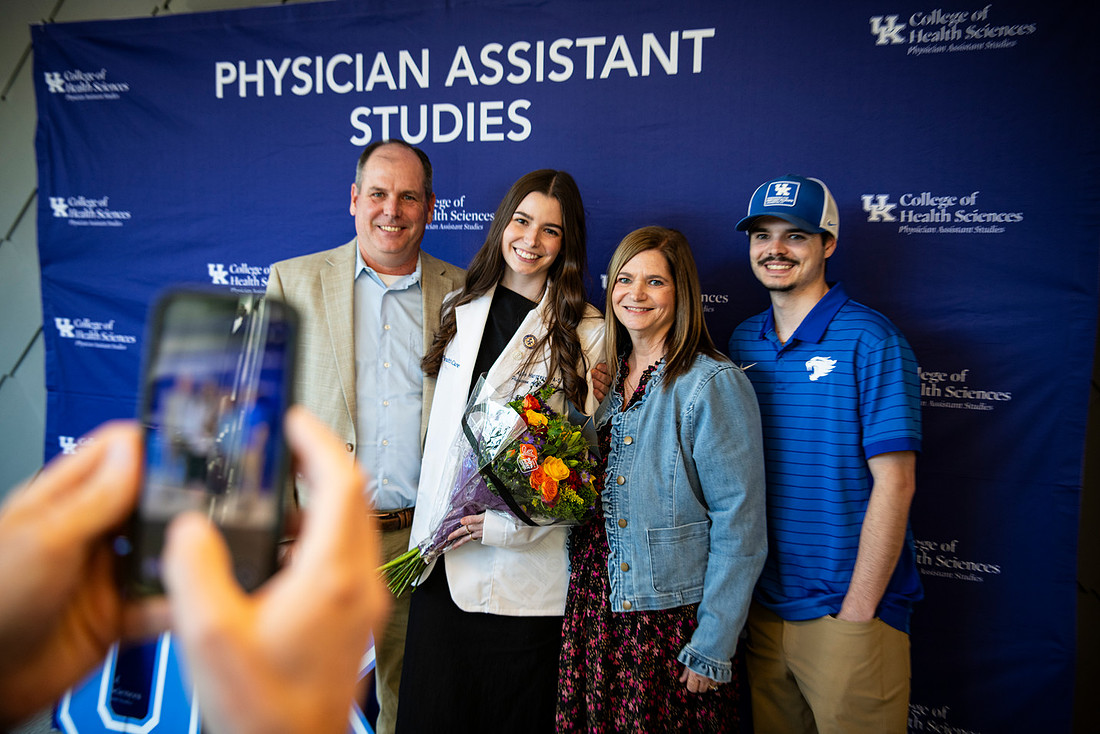
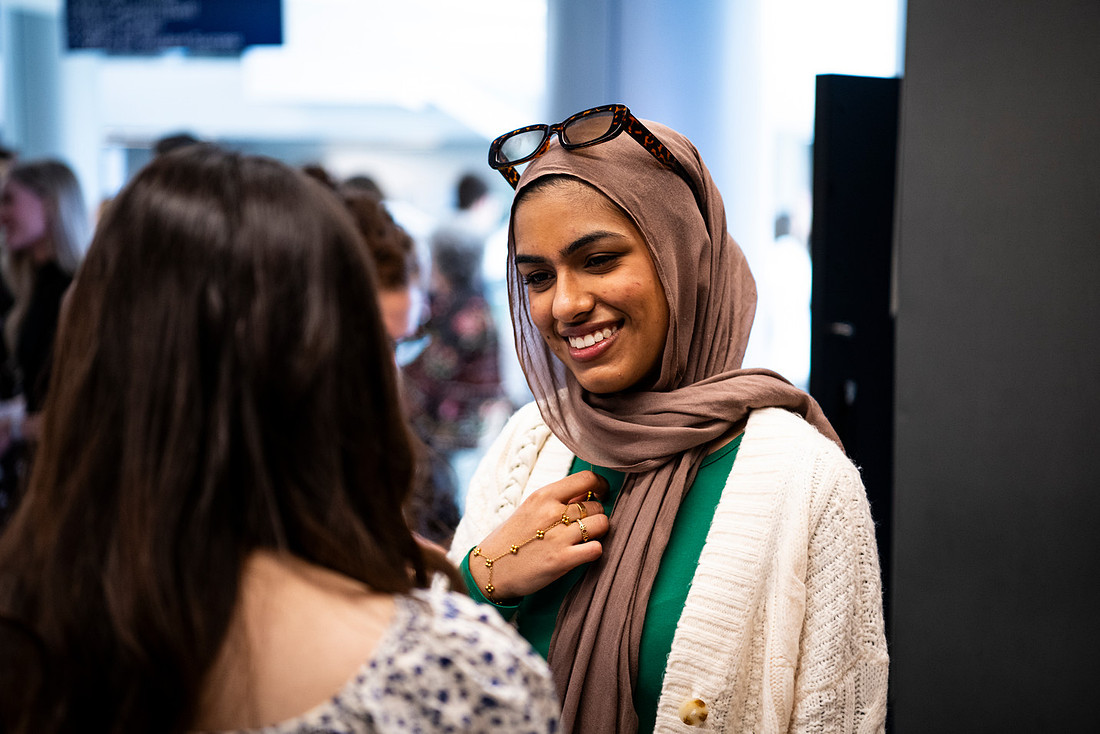 The University of Kentucky Physician Assistant White Coat Ceremony in February.
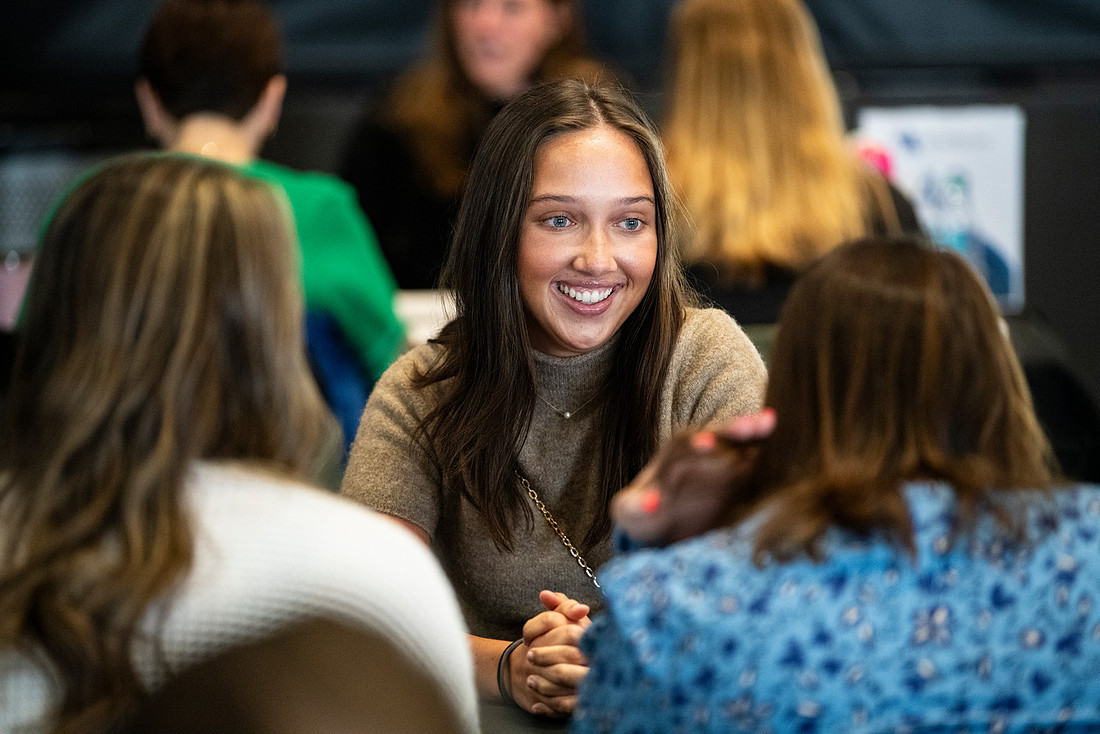
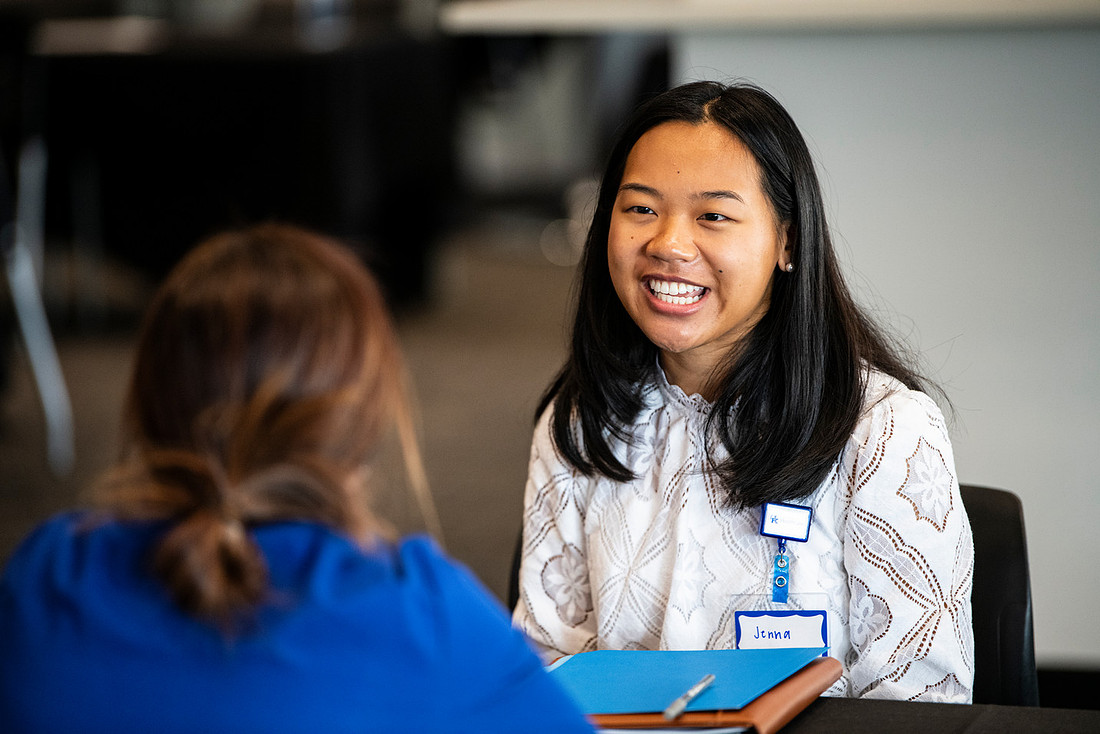
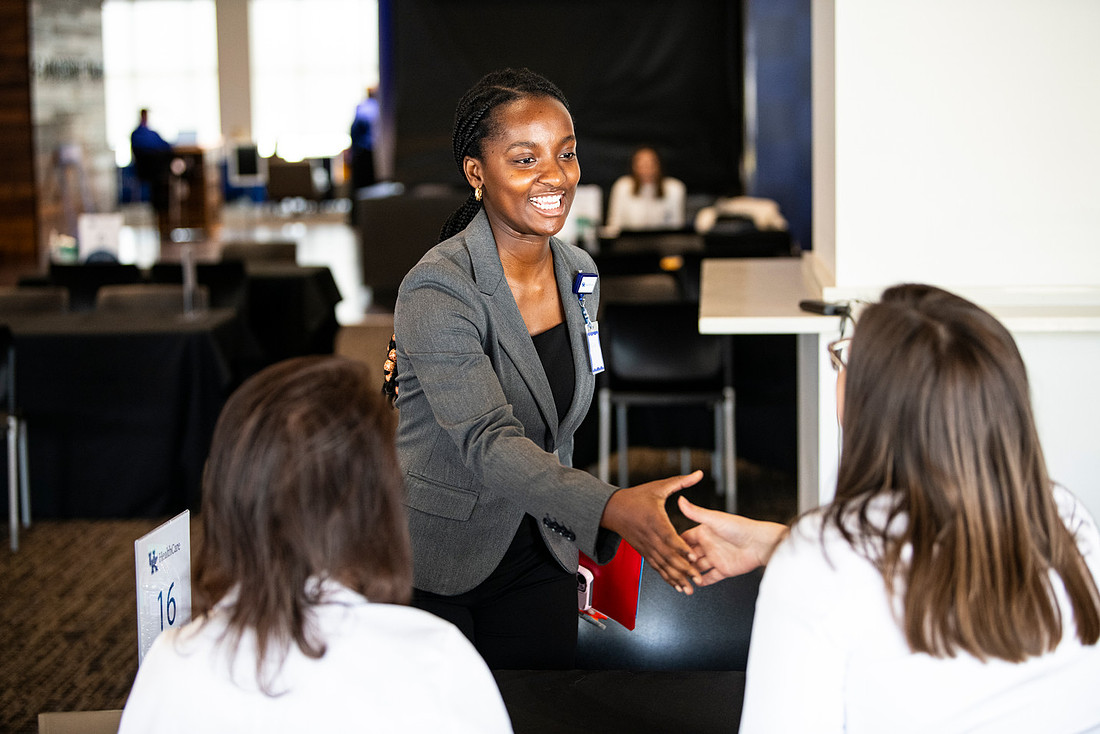 The University of Kentucky Healthcare's Nursing Recruiting Fair in March.
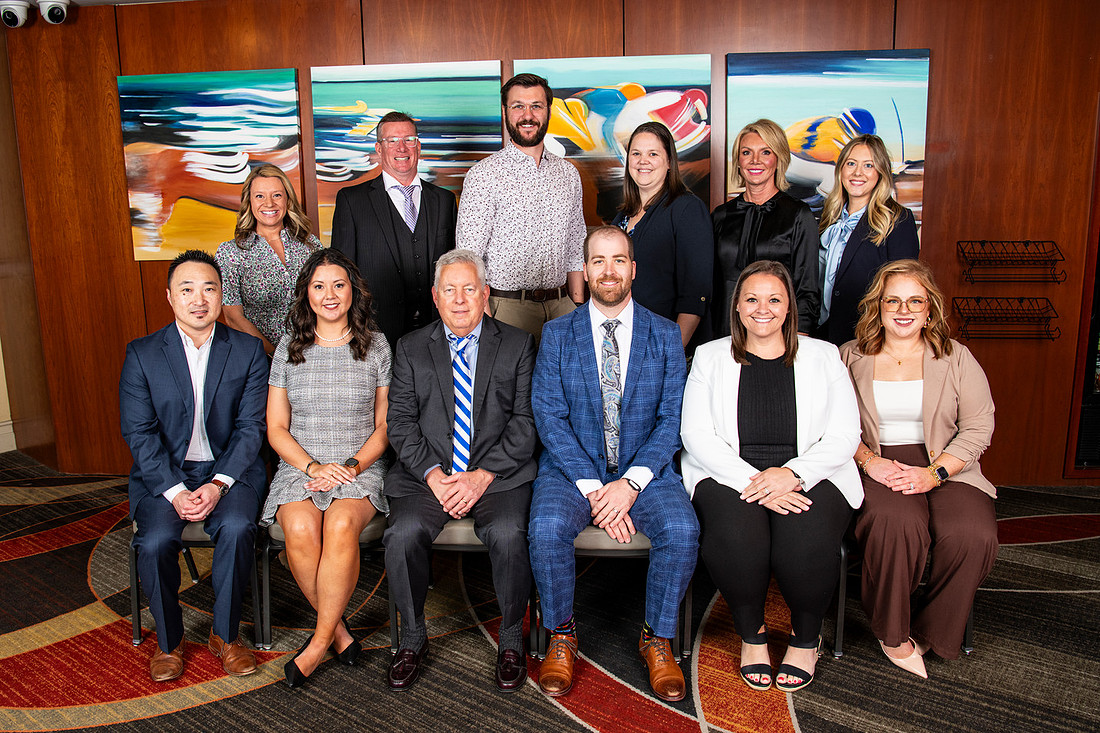 My longest running client, the Kentucky Optometric Association's annual conference in April.
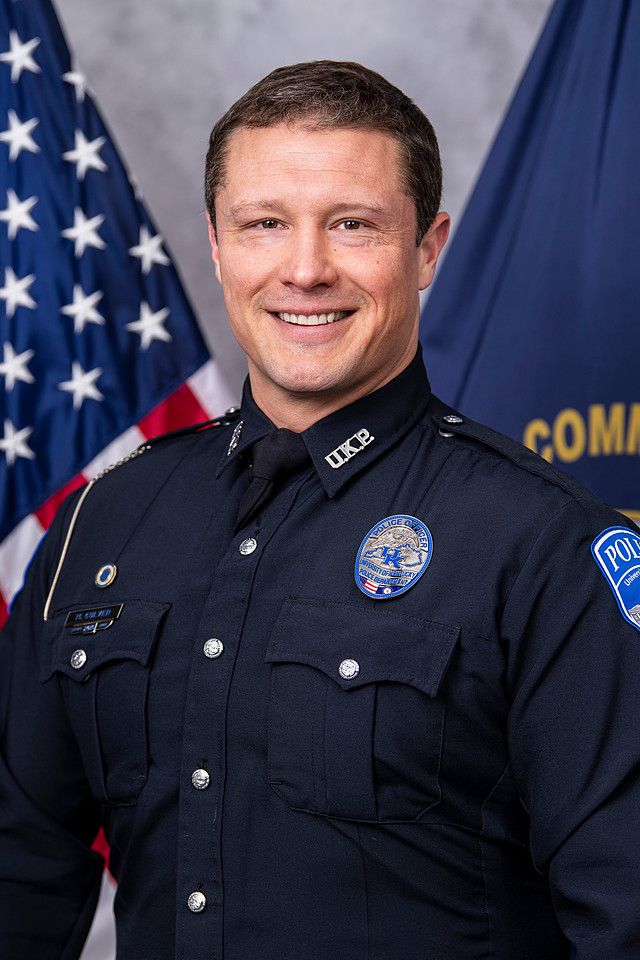
Portraits for the University of Kentucky Police Department.
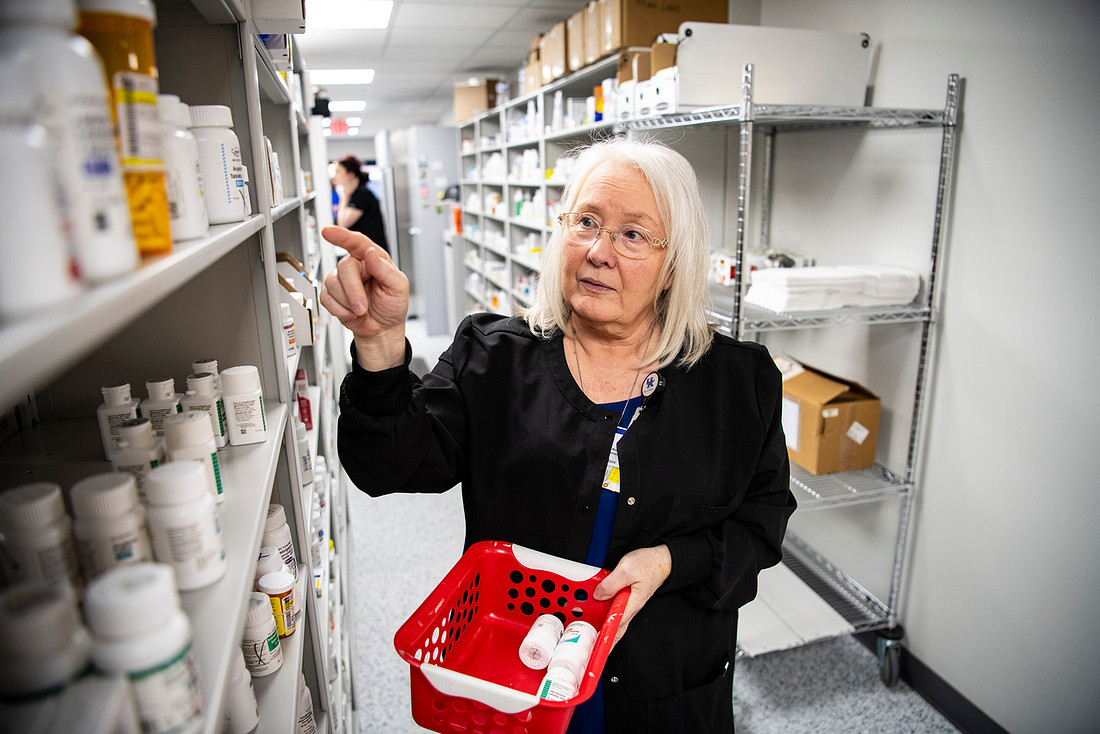
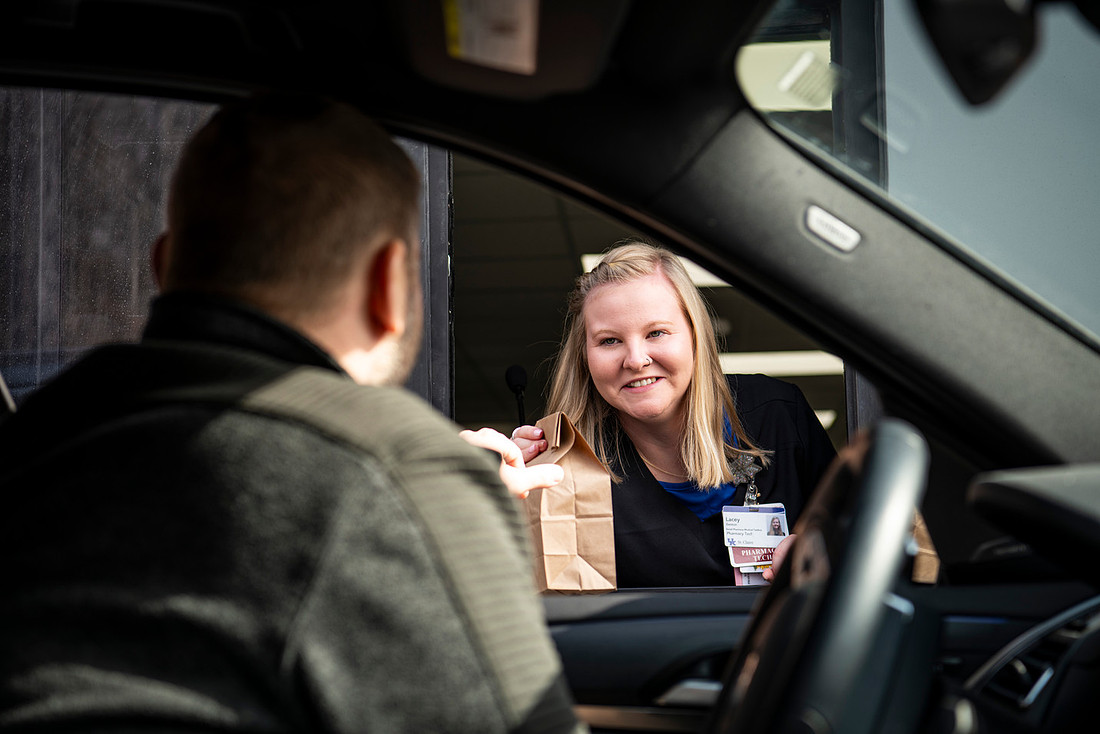
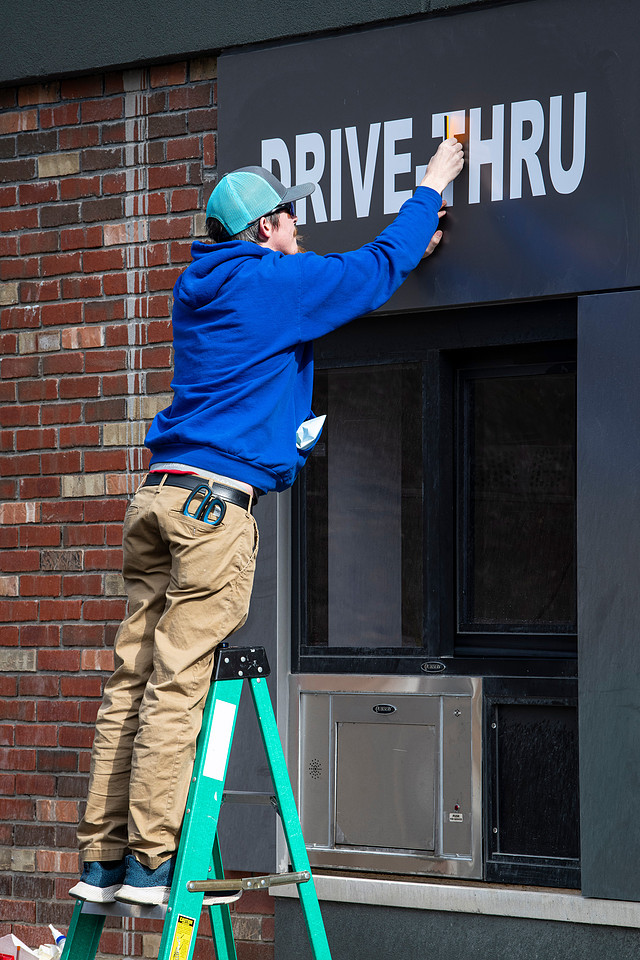
The new University of Kentucky Healthcare Pharmacy in Morehead.
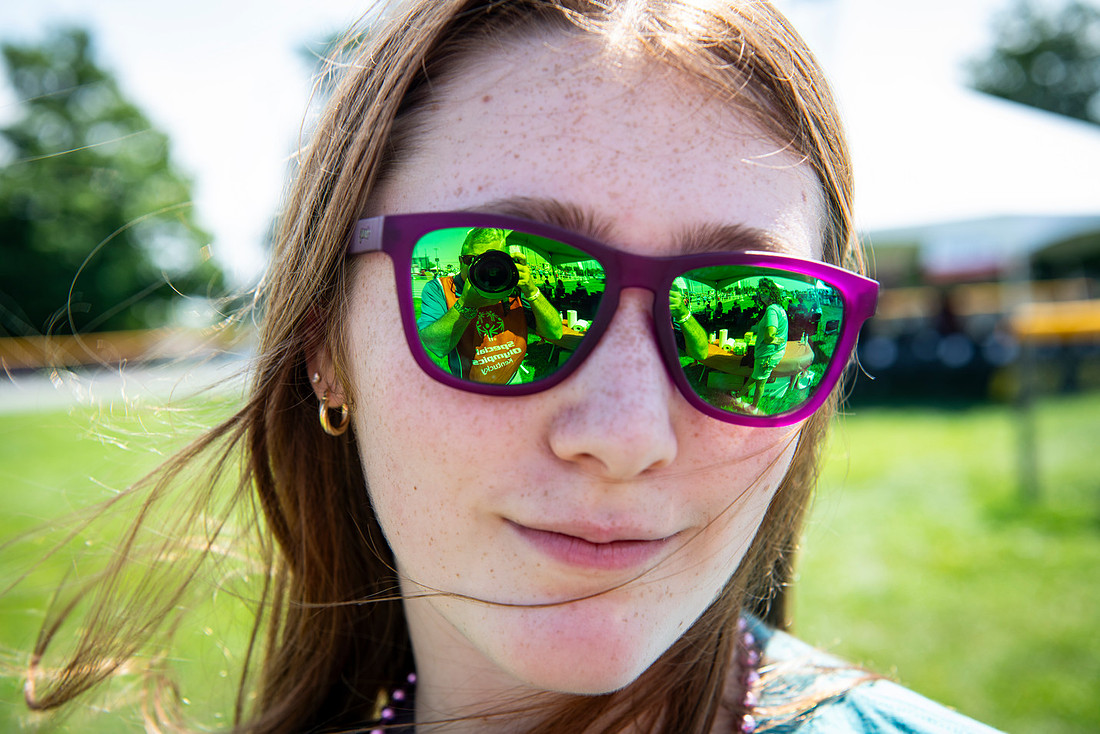 A selfie from Special Olympics.
The Best Camera is the One You Have With You
The best camera is the one that you have with you, which is usually the one you have in your pocket. I'll come back to this thought...
In 2023, I bought a portion of our family farm in Carter County from my cousin because part of his land connected with mine, that my mother gave me years earlier. But the main reason that I wanted to buy it was to preserve an old tobacco barn that my great grandfather built in 1937. Initially, I just wanted to clean it up and nail a few boards back down. But. Me being me, I wasn't satisfied with that. I now have a state-of-the-art barndominimum, and it has become my little slice of paradise here in God's Country.
The photojournalist in me has documented each step along the way in building the barn and developing the farm over the past three years. And while I have taken a few photos with my 35mm Nikon, most of them have been with my iPhone. It usually serves as both a camera and a Tyler Childers and Zach Bryan concert in my back pocket. Childers and Bryan go hand-in-hand with the vibe at the farm.
I wish the iPhone photos had a little more resolution to them, but I guess you can't have it all. Smart phones really are a miracle when you think about all the things that they can do from the palm of our hands, like a camera, a computer, a compass, a tape recorder, a calendar, a bank, the weather, a deck of cards, the world's greatest library, a TV, a notebook, a video camera, a photo album, an alarm clock, a rolodex, a Bible, and oh yeah, it's also a telephone.
Unlike some professional photographers, I have never been opposed to using the camera on my phone. I've had fun with an app called Hipstamatic for years, because it allows me to just be free and creative, not worrying about the equipment. Plus, I shoot with big boy cameras and big boy light systems everyday for my job, so it's okay to just have fun with a phone camera. Camera equipment will change from year to year, but the key to photography lies in the ability to see.
As I have put a lot of blood, sweat, and tears into the farm, I have stopped so many times and captured some pretty pictures, as well as documented some fairly mundane scenes. But in doing so, I have created a visual story of my journey. Honestly, most of these photos would have been a missed opportunity if I had relied solely on my Nikons, because it's hard to lug a camera bag and drive a tractor or use post hole diggers at the same time. But during all the work or all the time hunting in the woods, Tyler and Zach have been in my back pocket, waiting to take pictures.
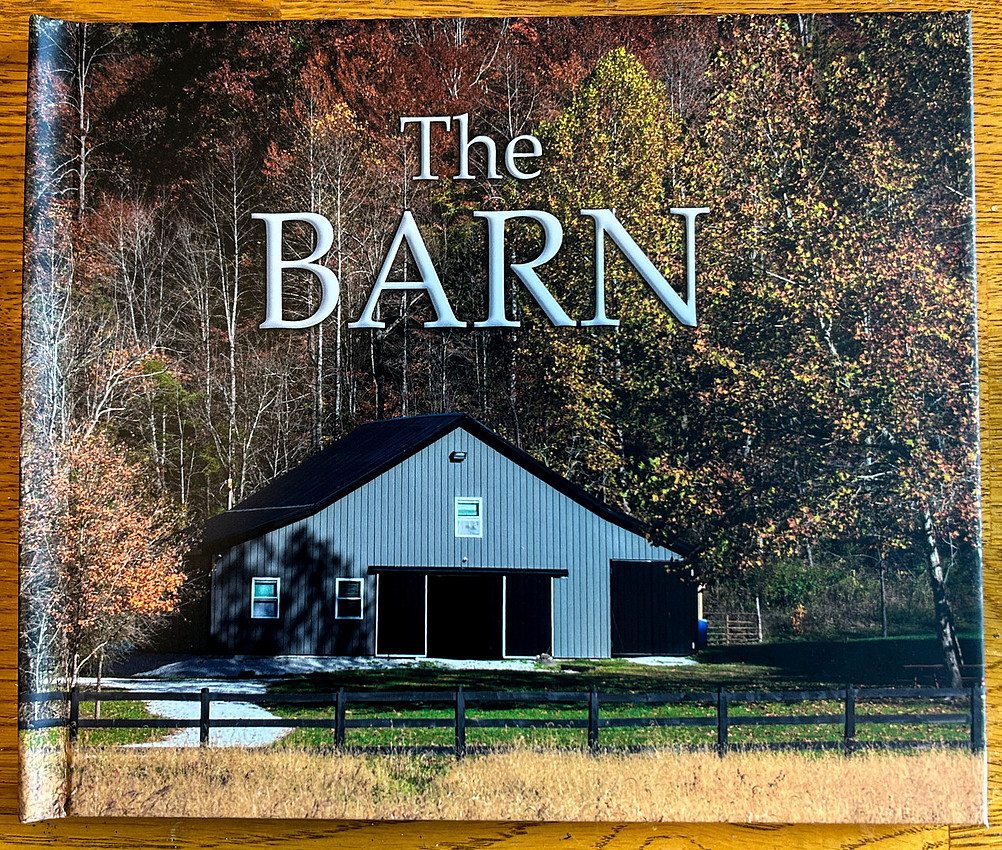
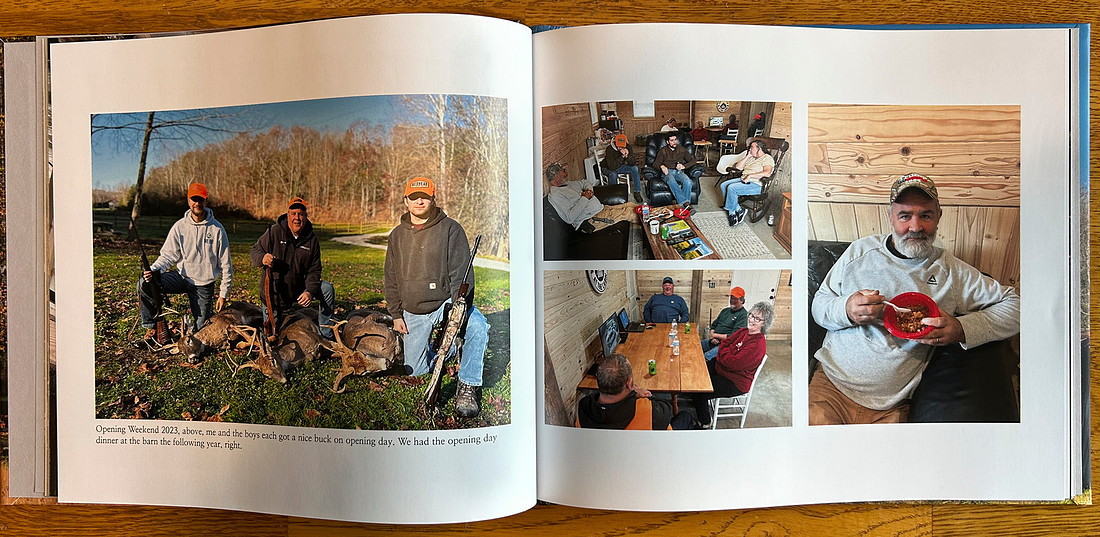
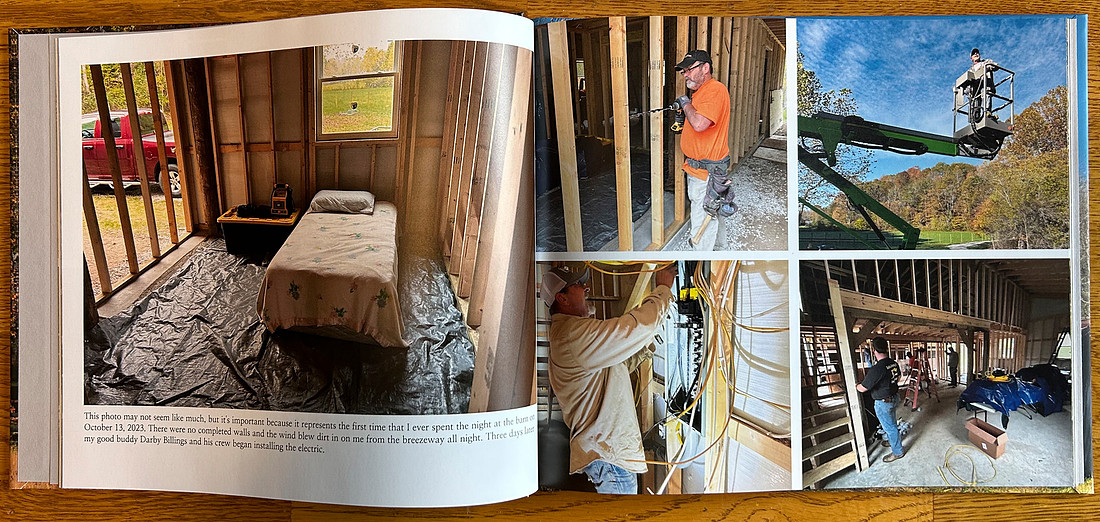
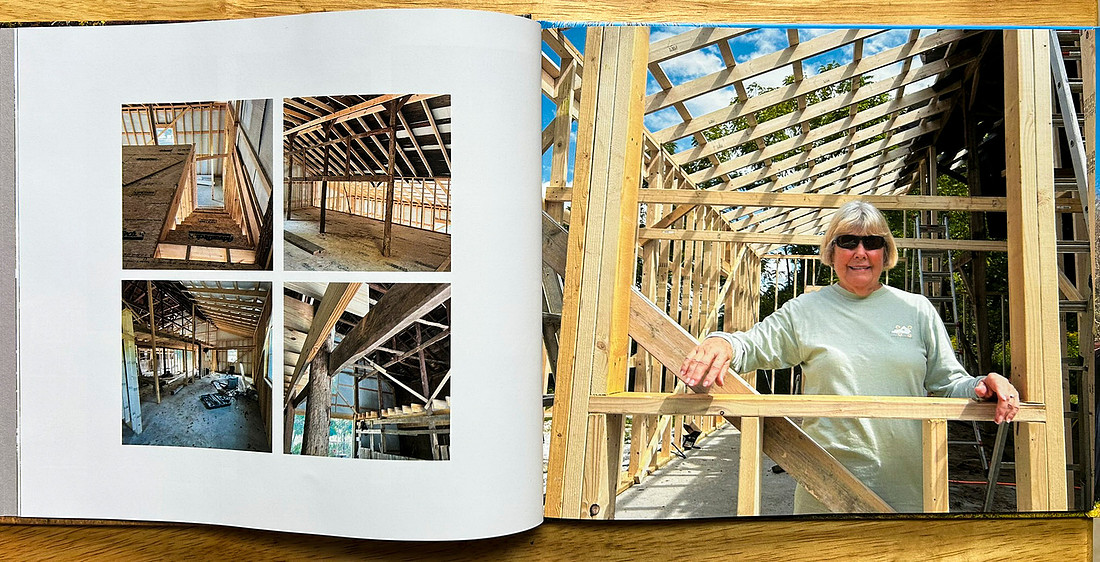
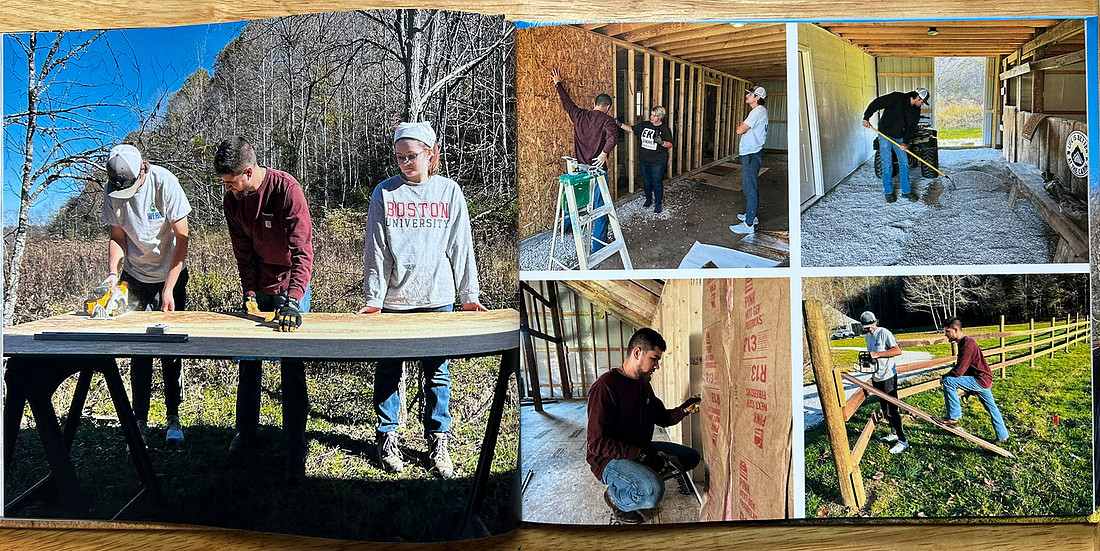
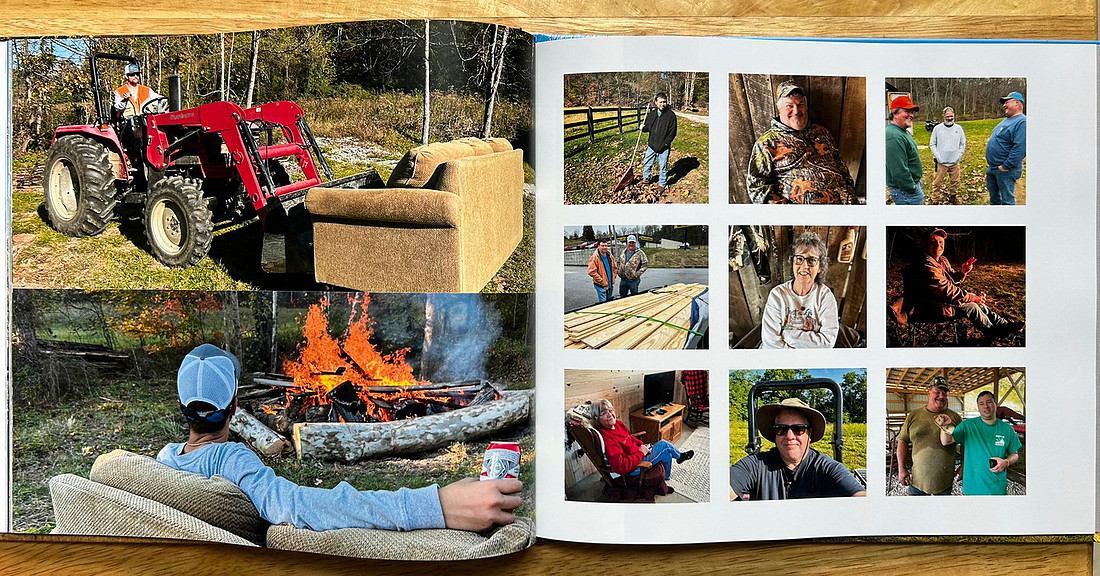
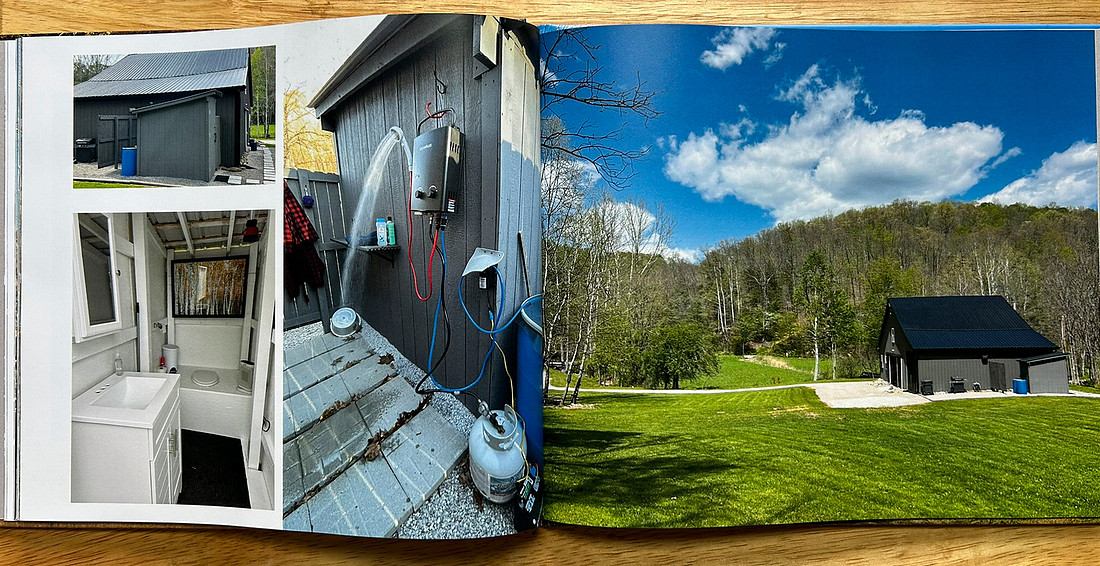
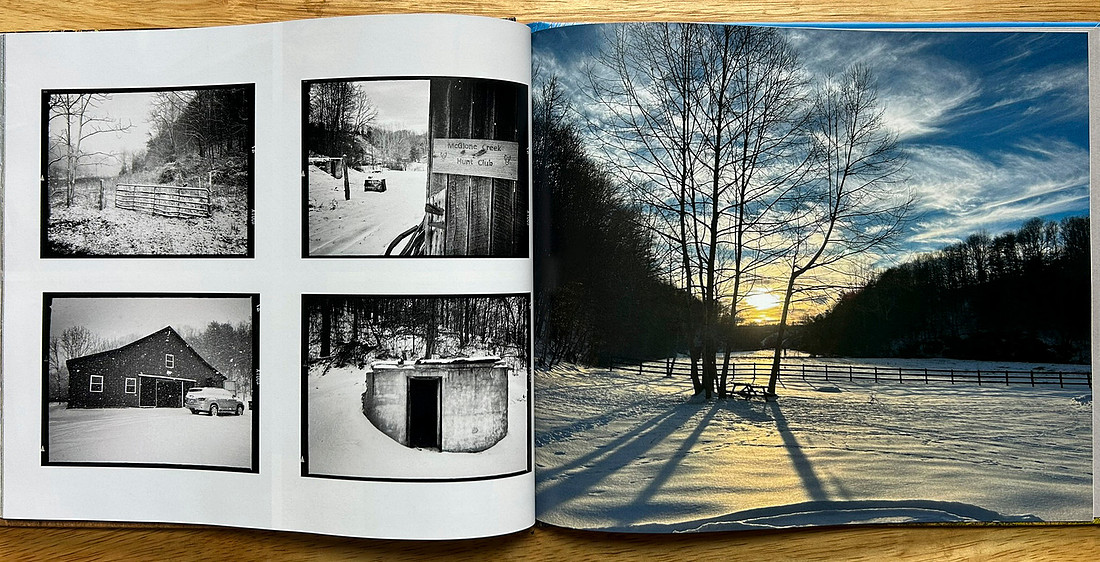
I recently put the visual story of my barn into a self-published book called, fittingly enough, The Barn. Here is a glimpse at the book, along with some of my favorite images. Enjoy!
-30-
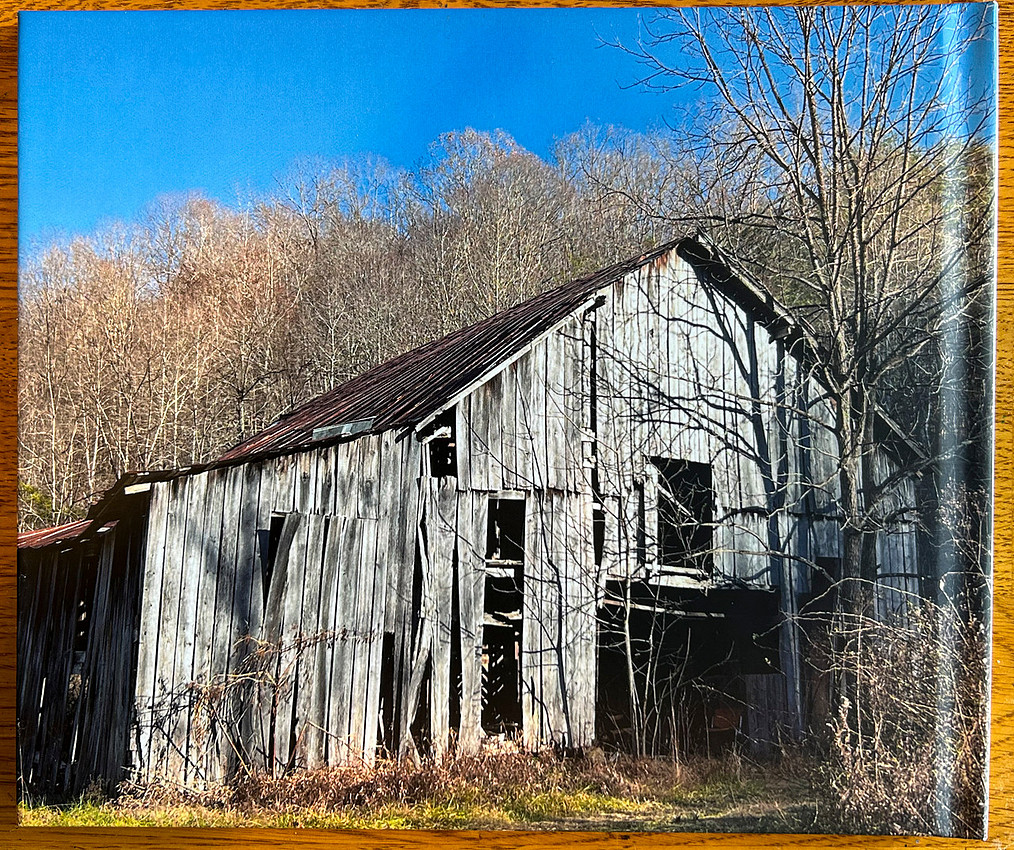
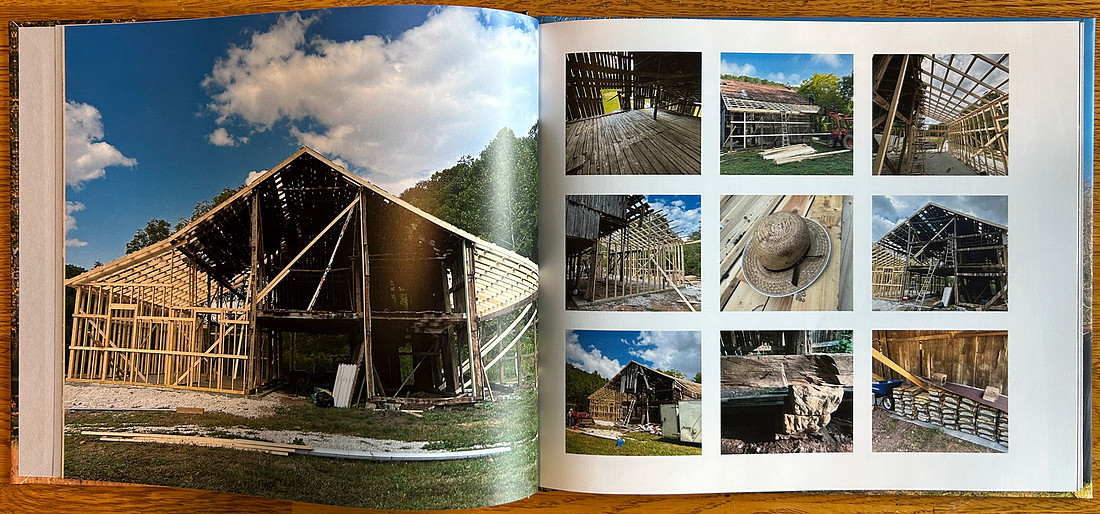
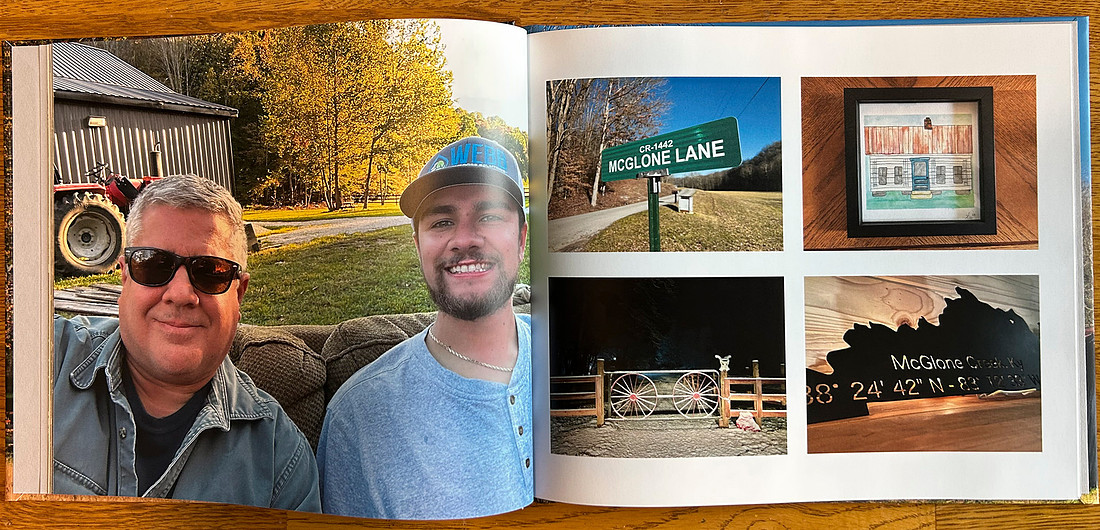
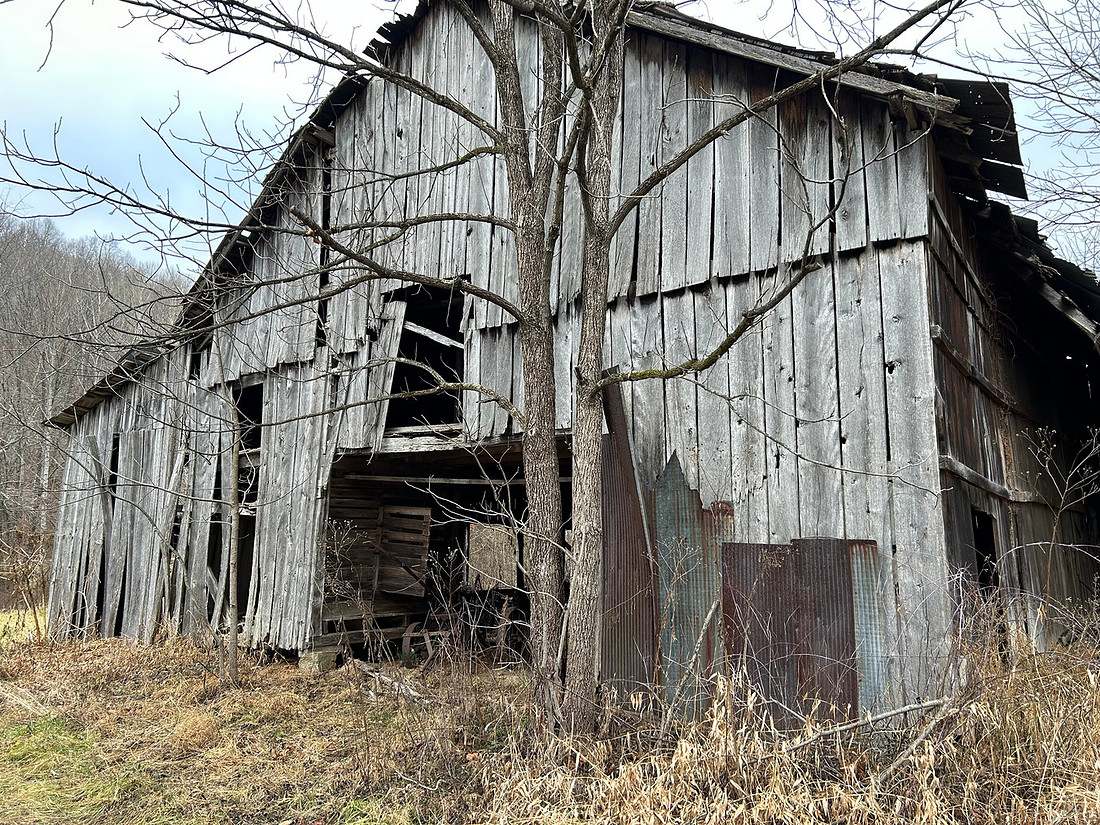
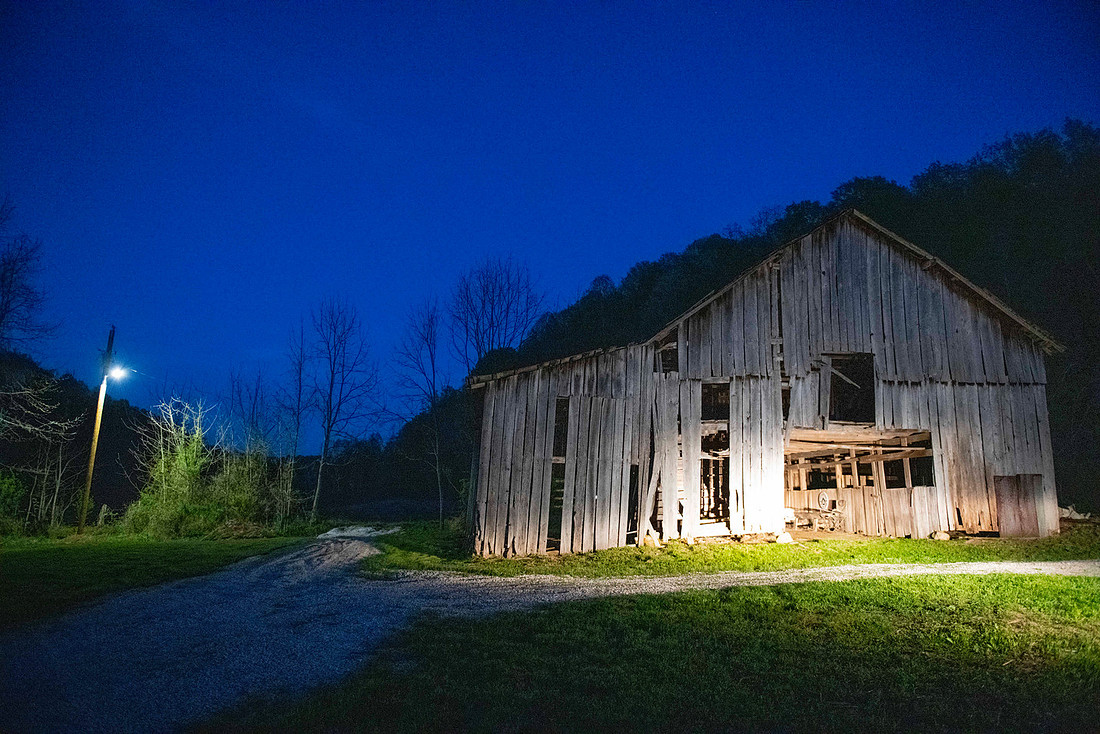
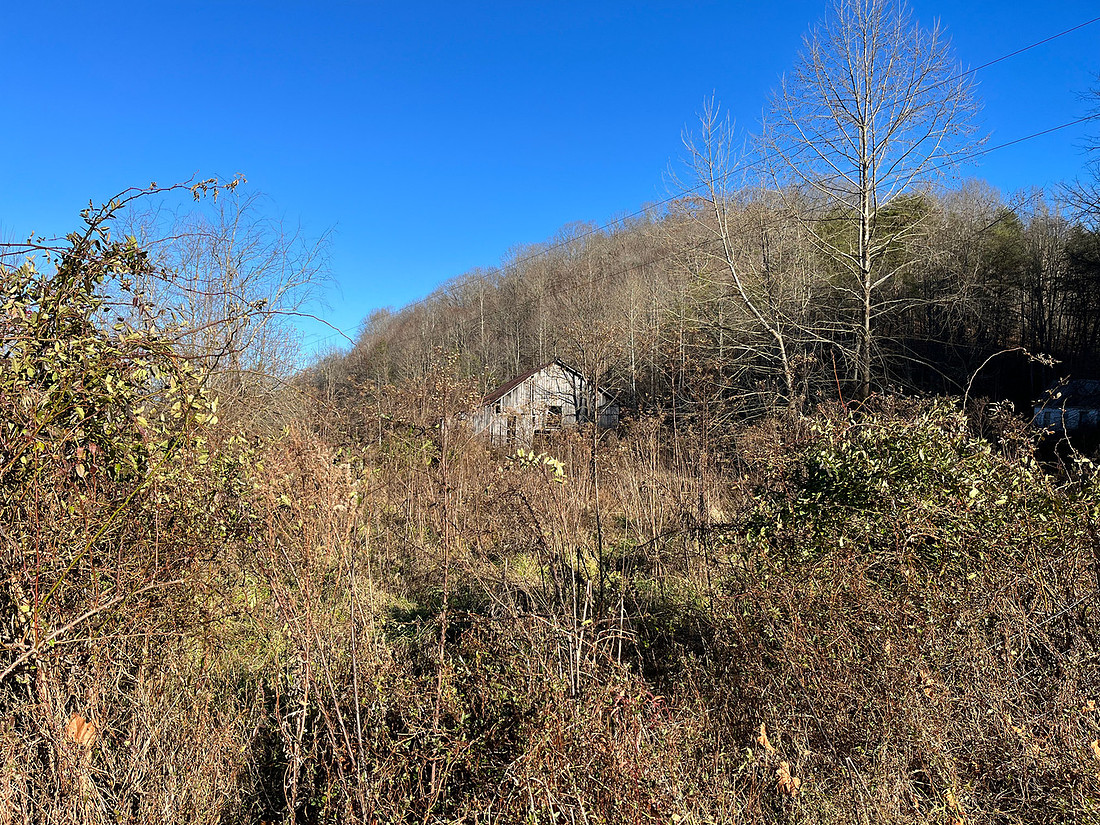 This is what the barn and surrounding farm looked like when I bought it. It definitely needed some TLC.
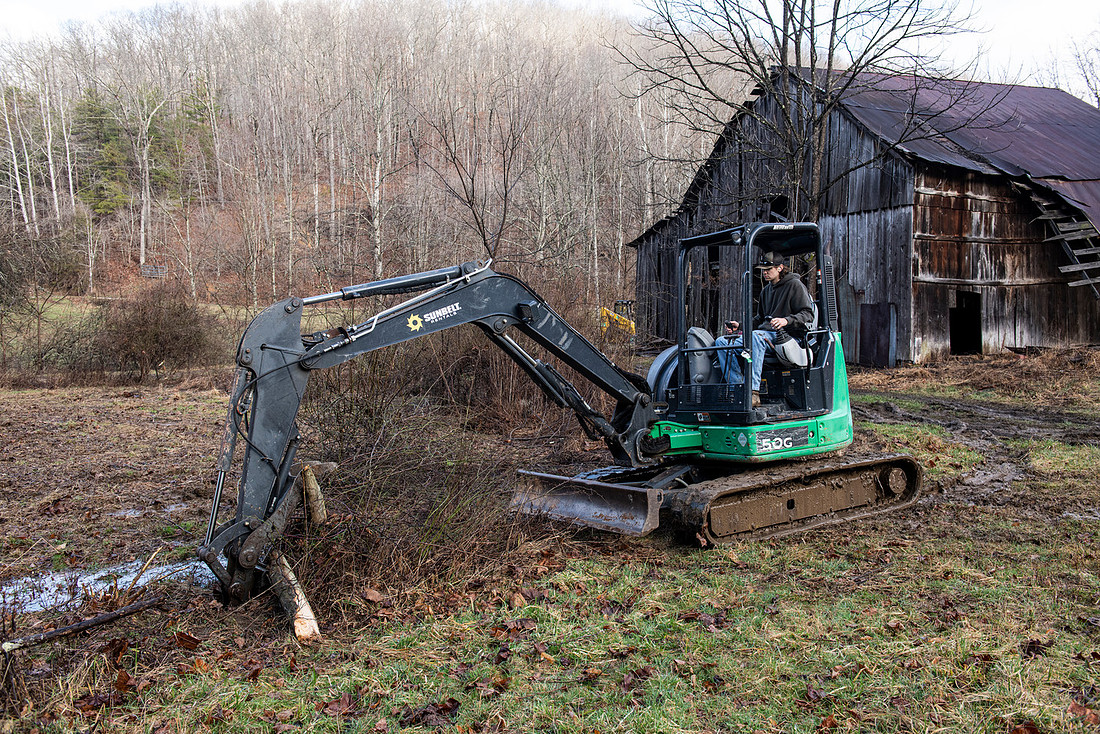 My son Cameron came in and cleaned it up and built a road into it. It's nice having a son with a certain skill-set, HA!
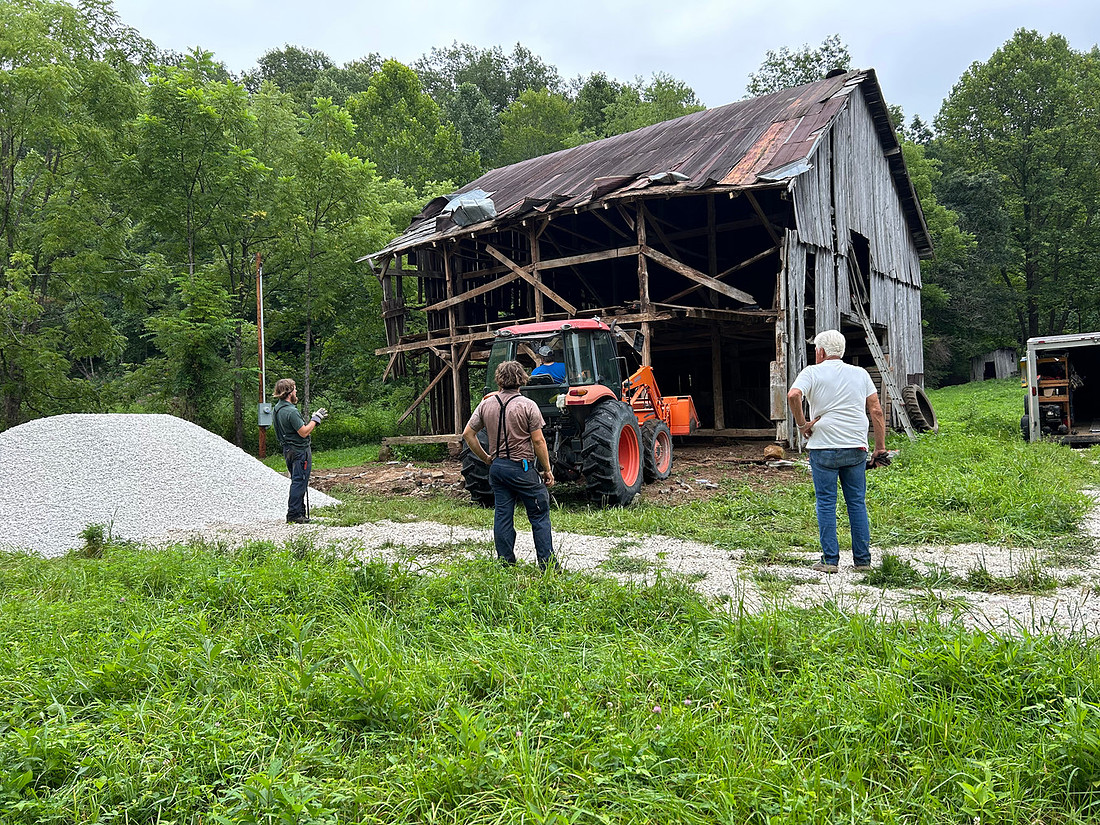
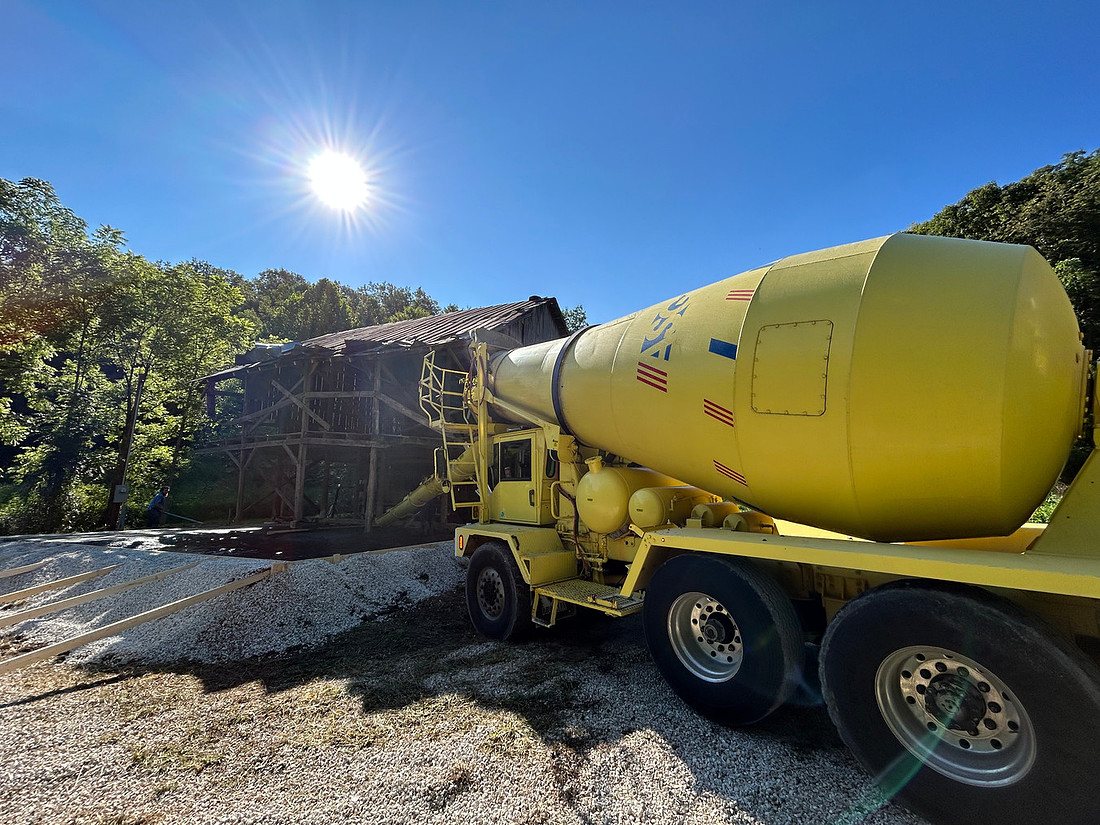
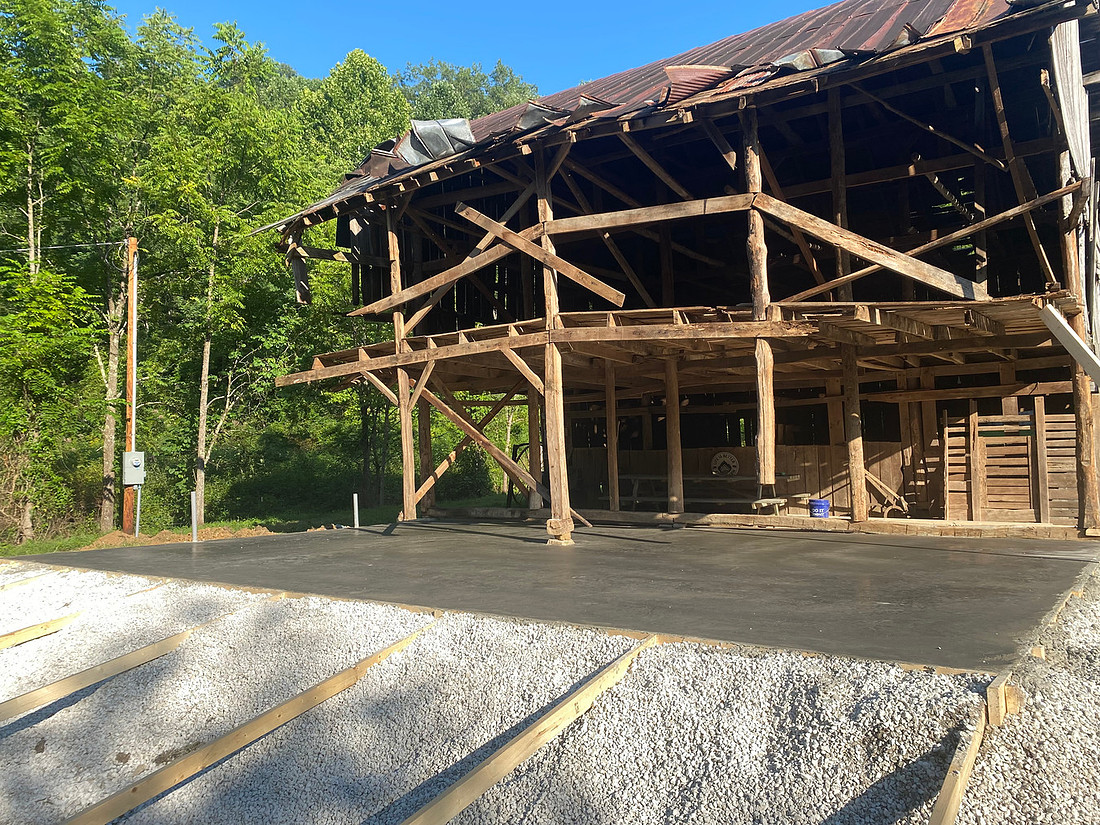
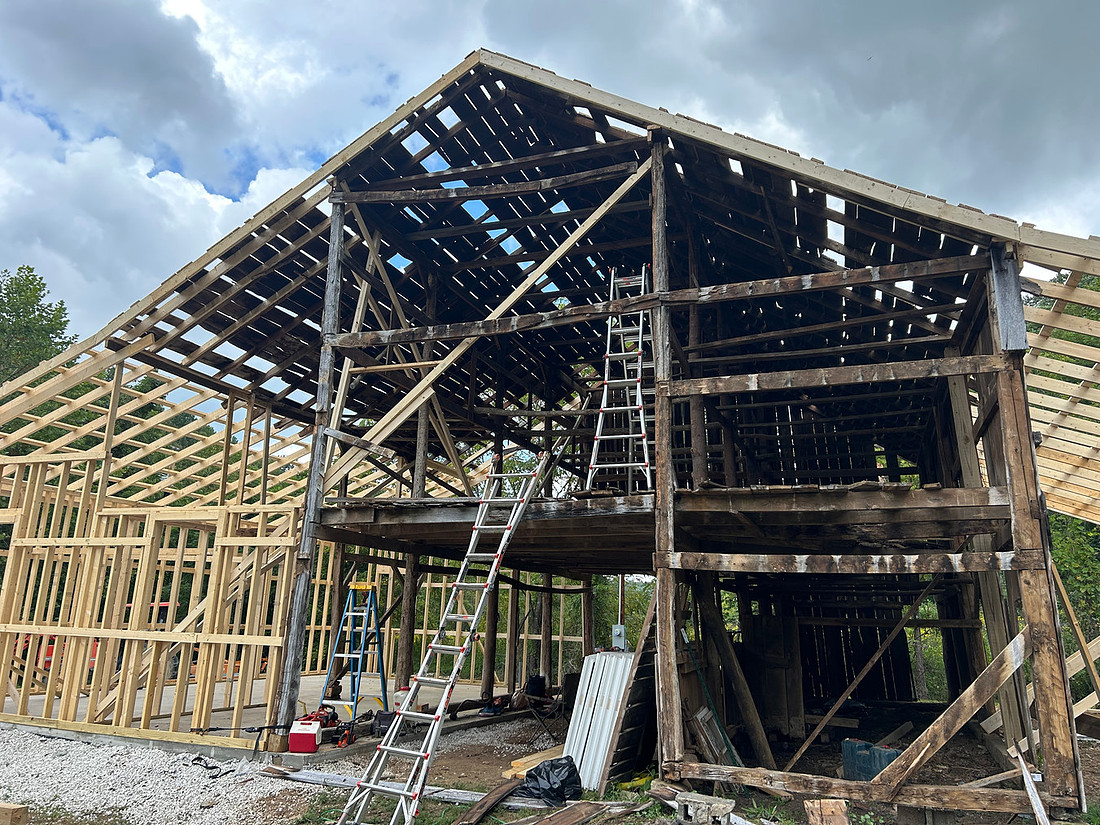
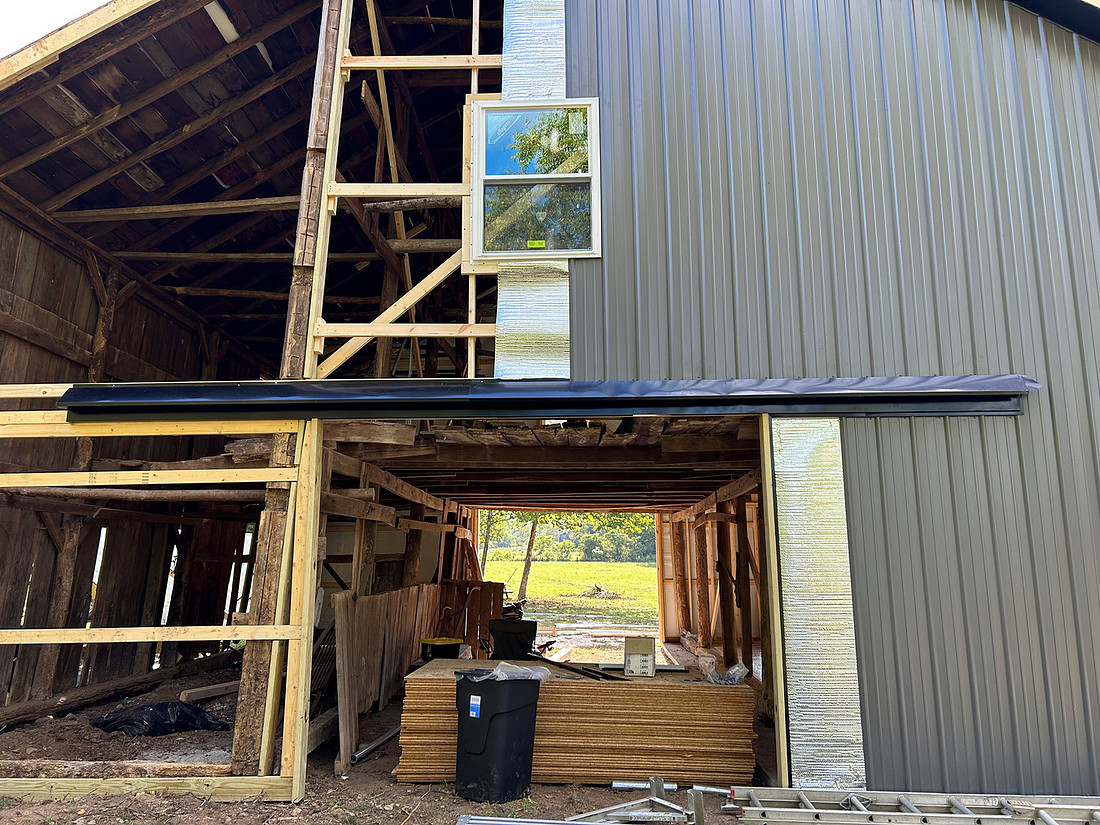 I hired an Amish crew out of Greenup County to come in and do the initial build. They gutted the barn and built back around it, keeping as much of the original barn as they could.
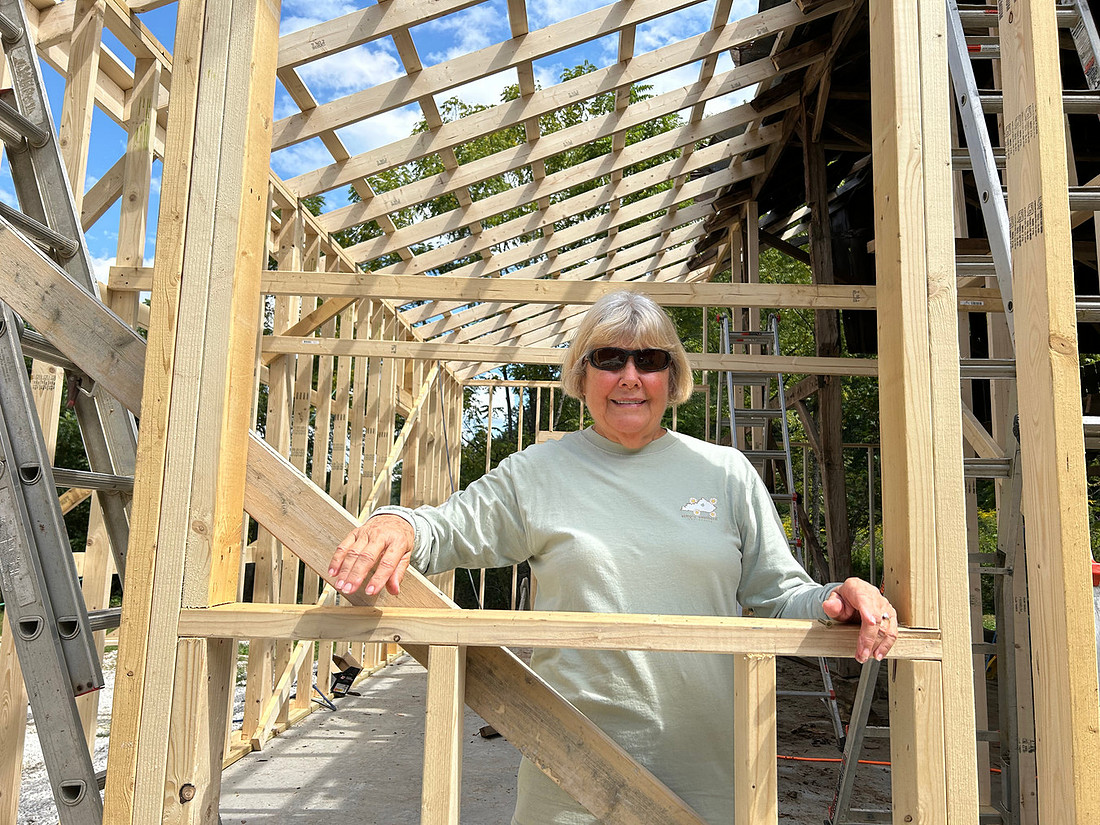
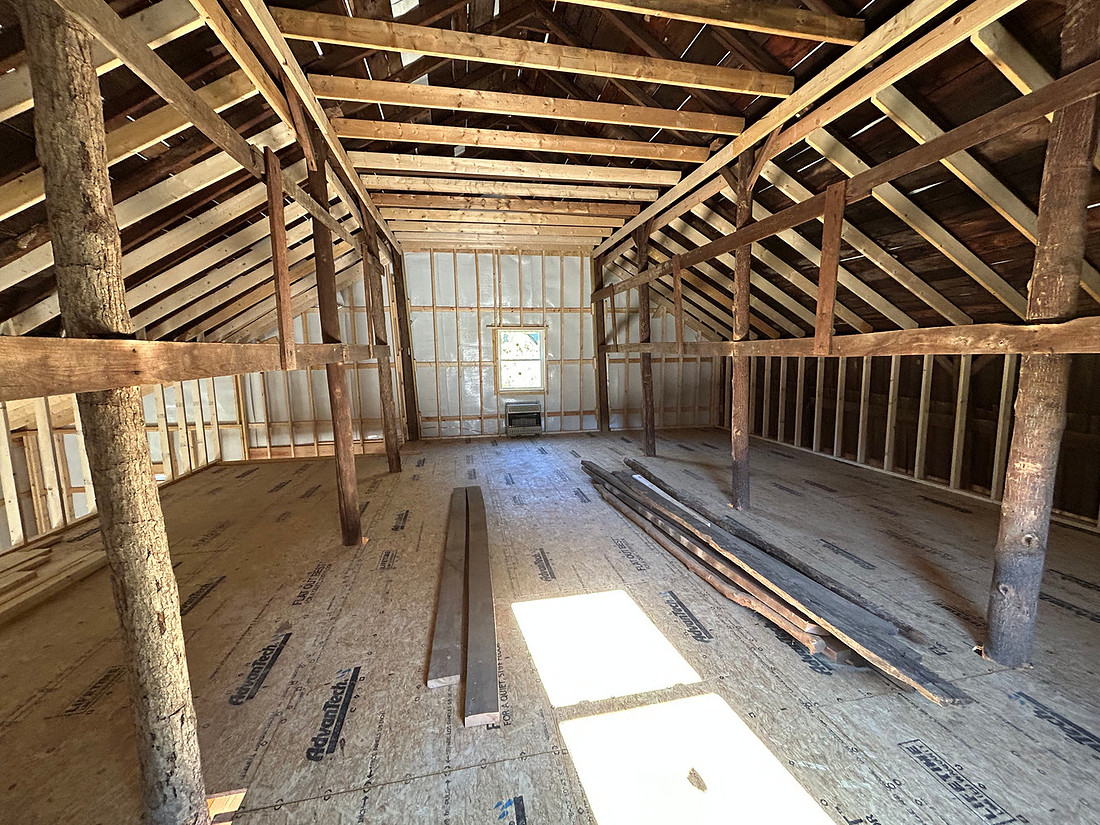 This is the farm where my Mom grew up. She was right there with me as we continued the work after the initial build. I eventually turned the tobacco loft into four bedrooms.
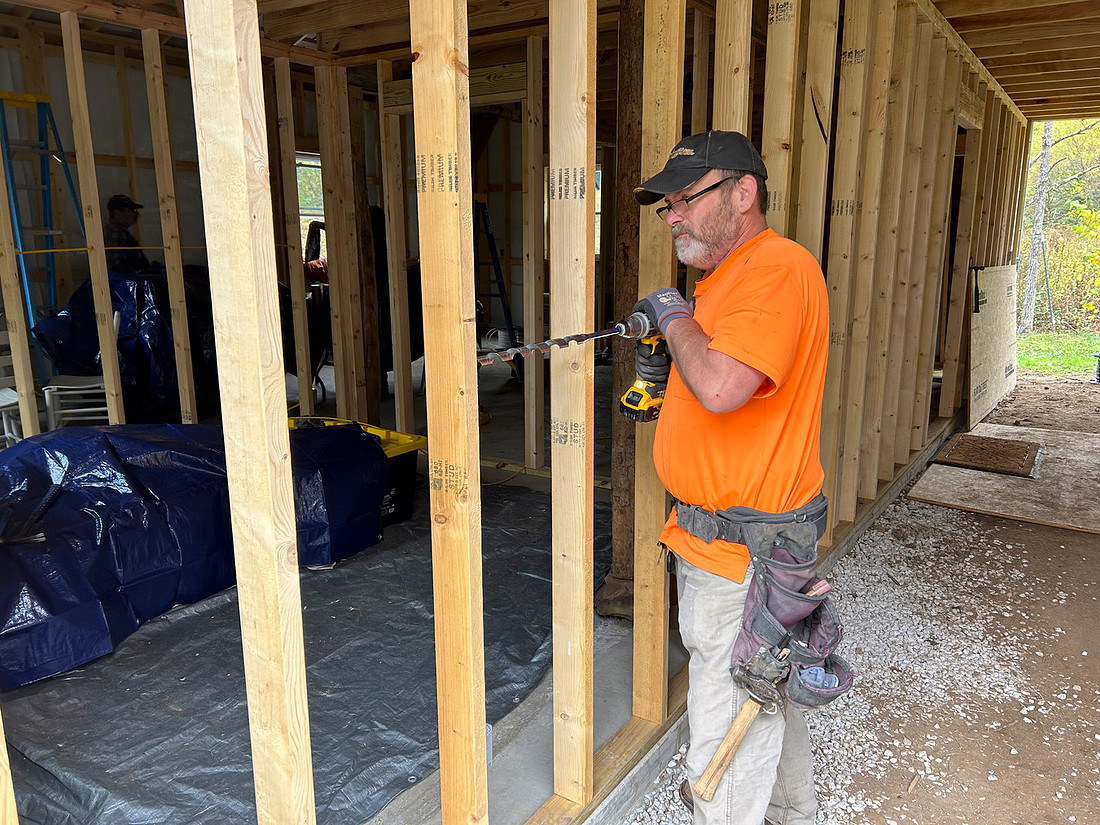 Installing the electric.
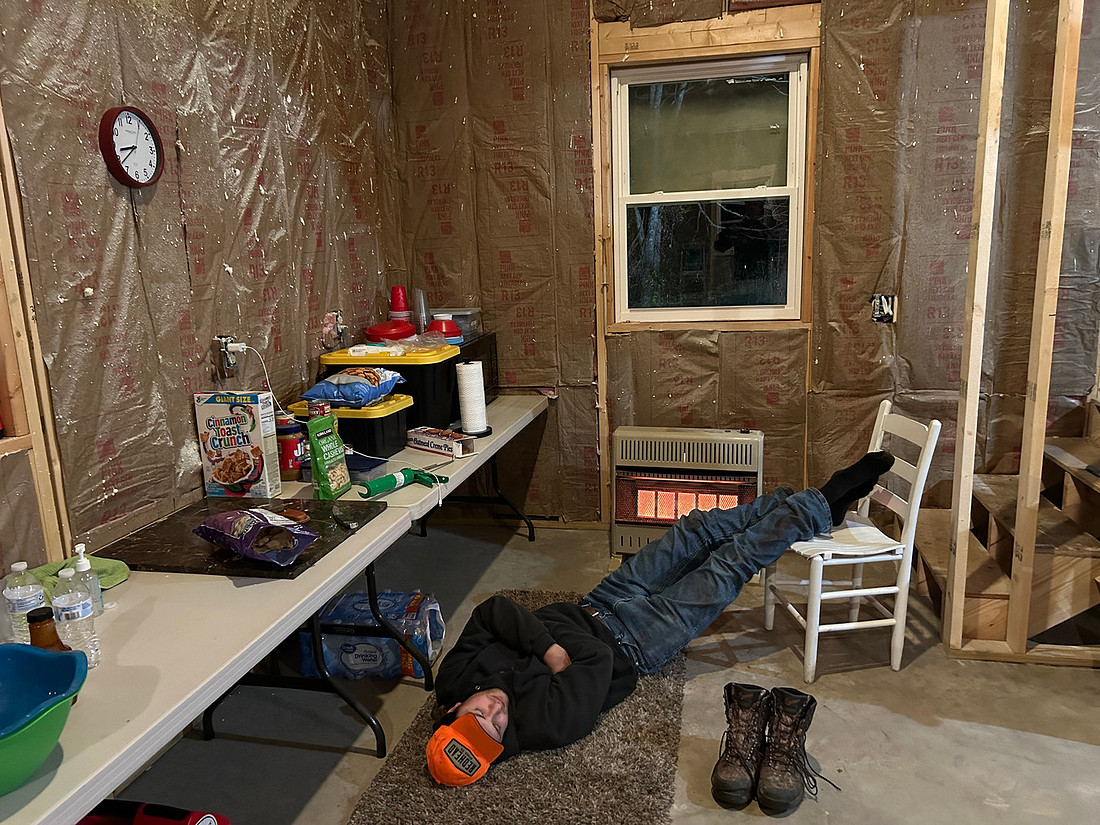
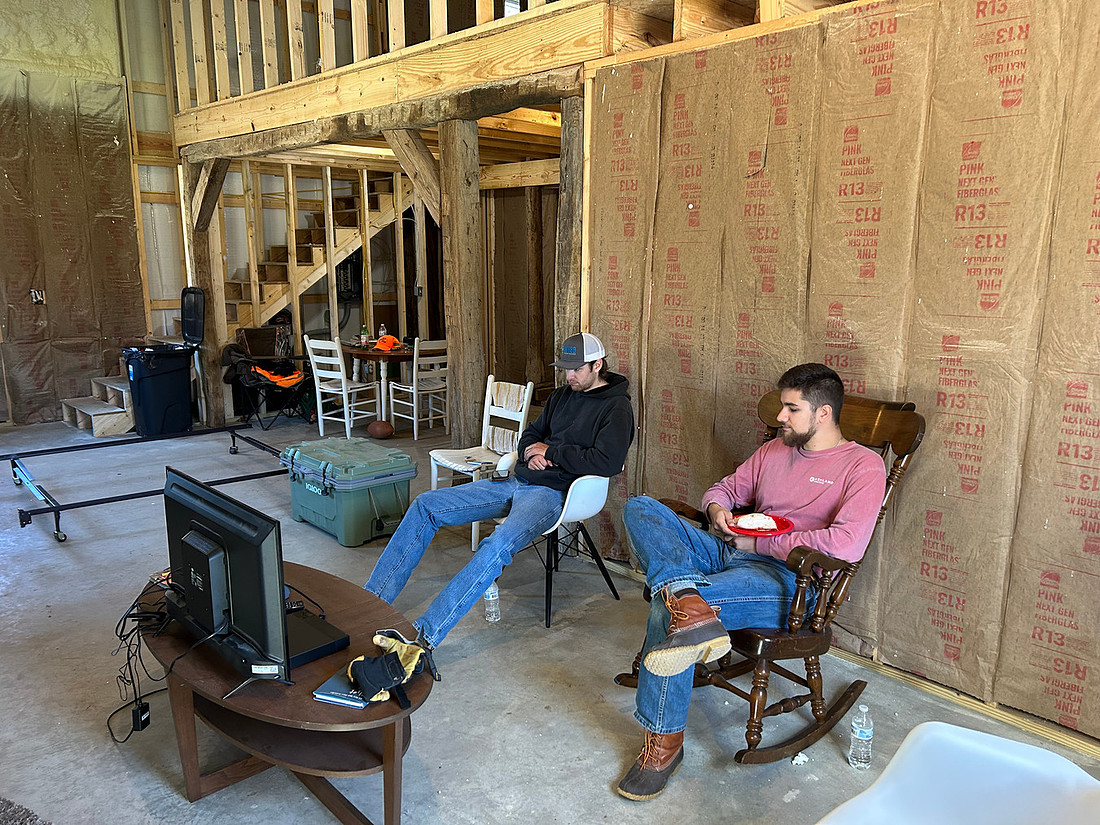 Deer season of 2023 was a little rough because it was still under construction, but we got it insulated and got a heater just in time for opening weekend.
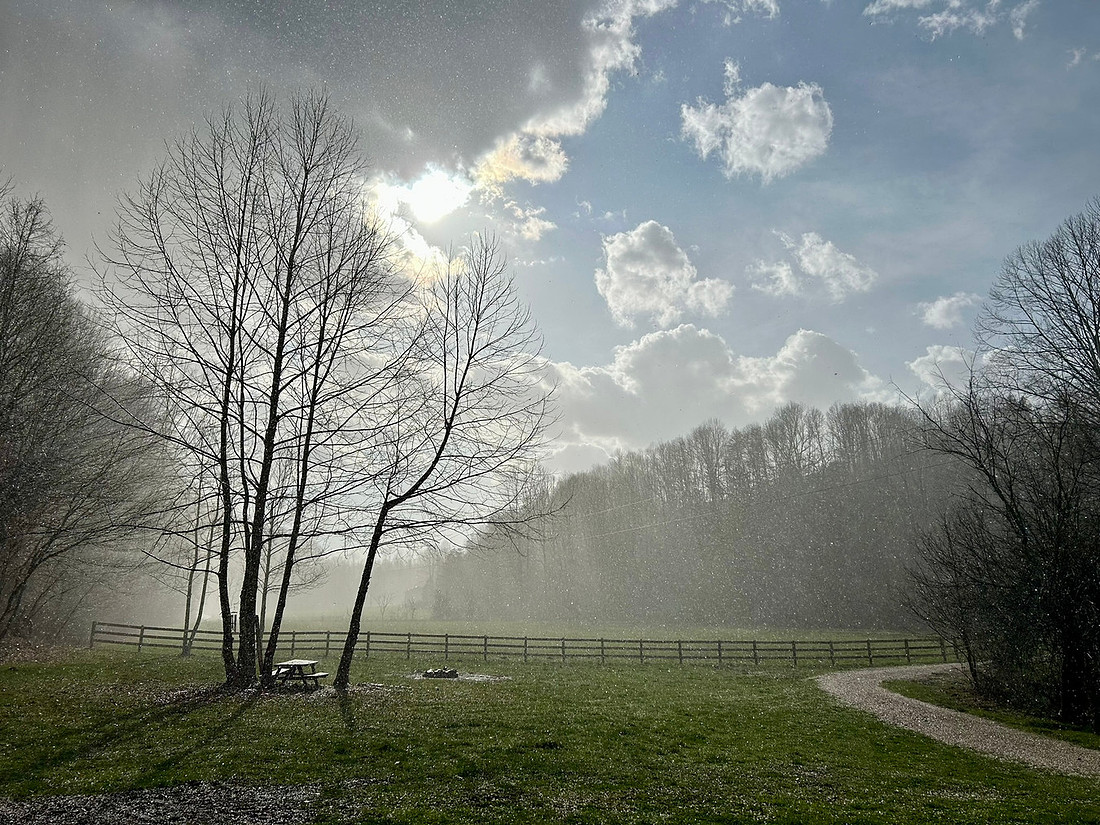
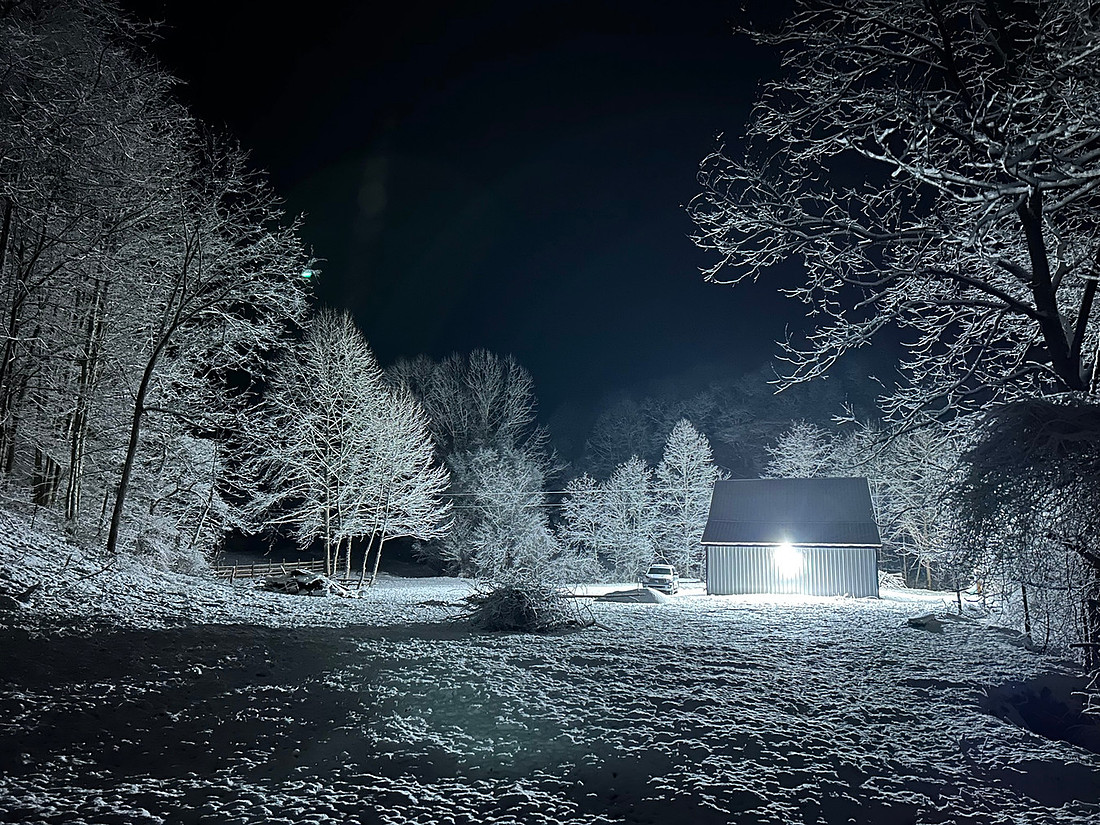 You're more likely to hear an airplane fly over than to hear a car because we're several miles off the main road.
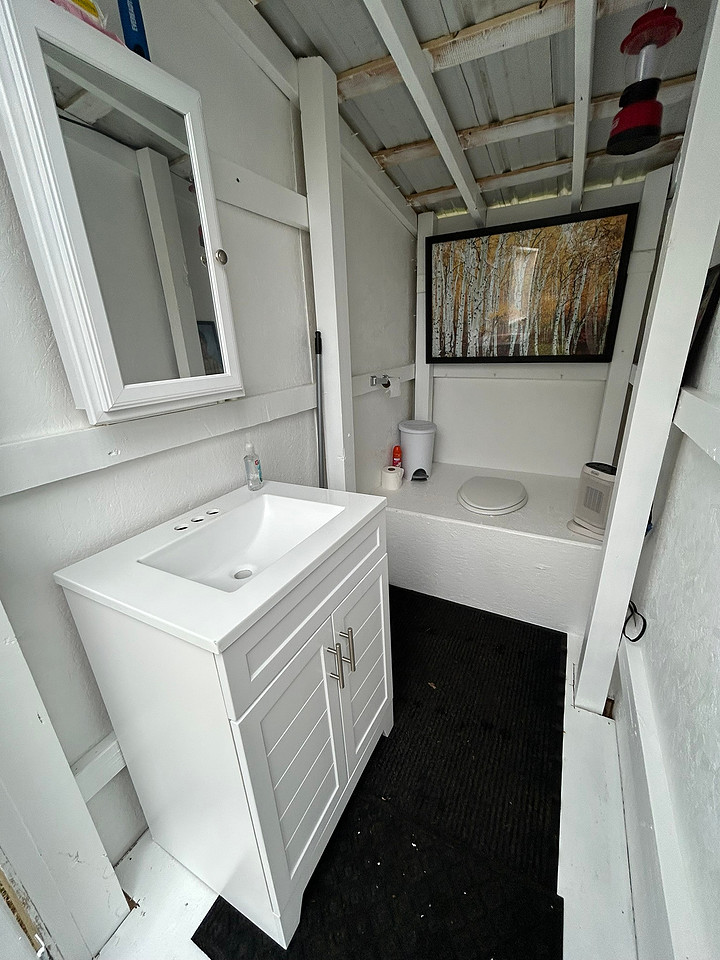
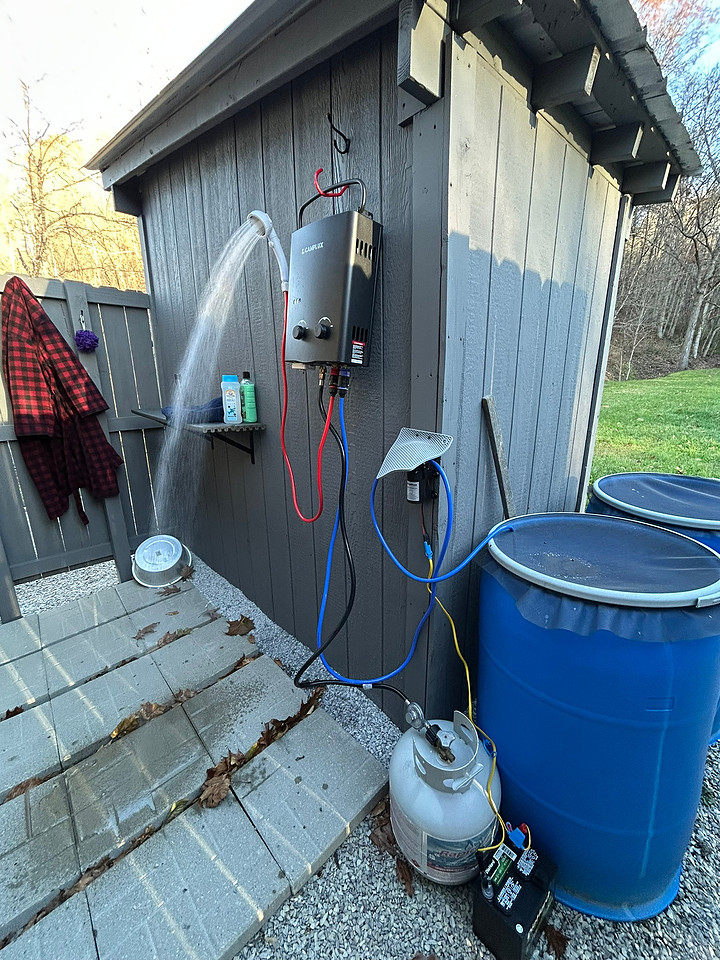
We have water there, just no running water. I figured out early on that if you want girls there, i.e. your wife, your daughter, and your daughter-in-law, you need to have a nice clean outhouse. I also built an outdoor shower.
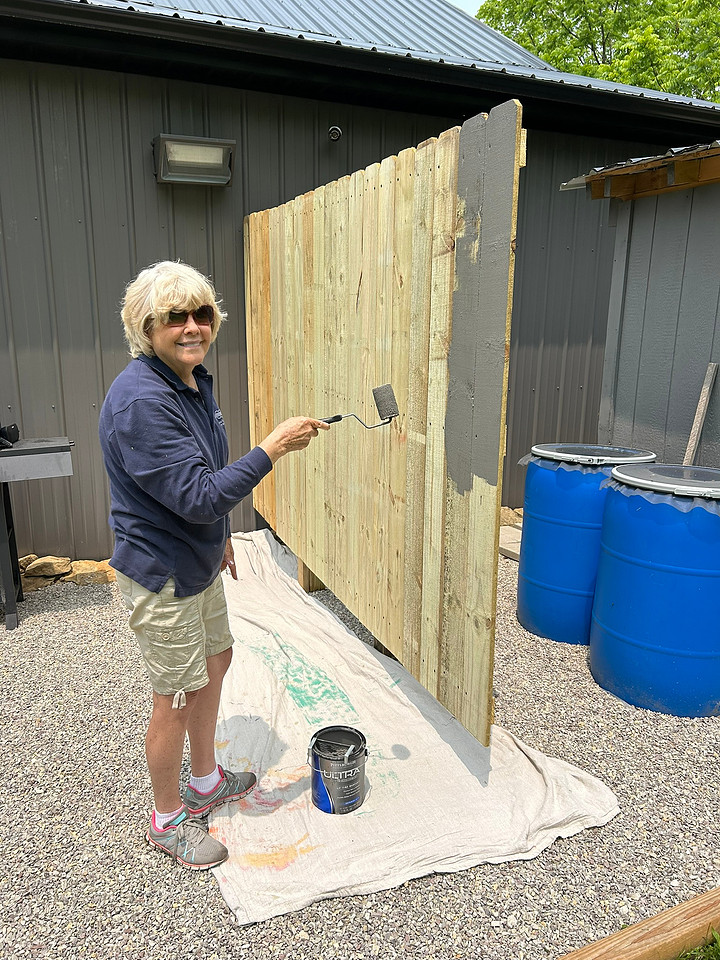
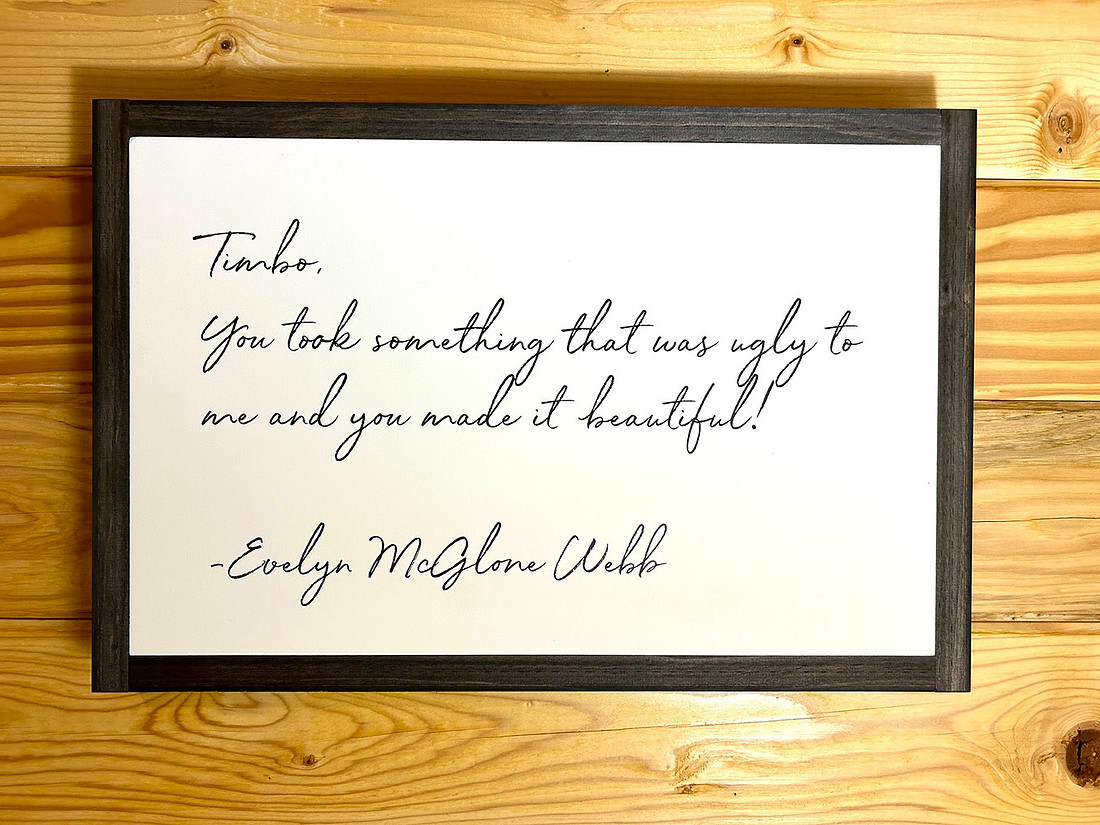 Life was pretty rough for my Mom and her mother and her siblings, living with an abusive father. Mom has told me this quote several times, so I eventually turned it into a sign and hung it on the wall.
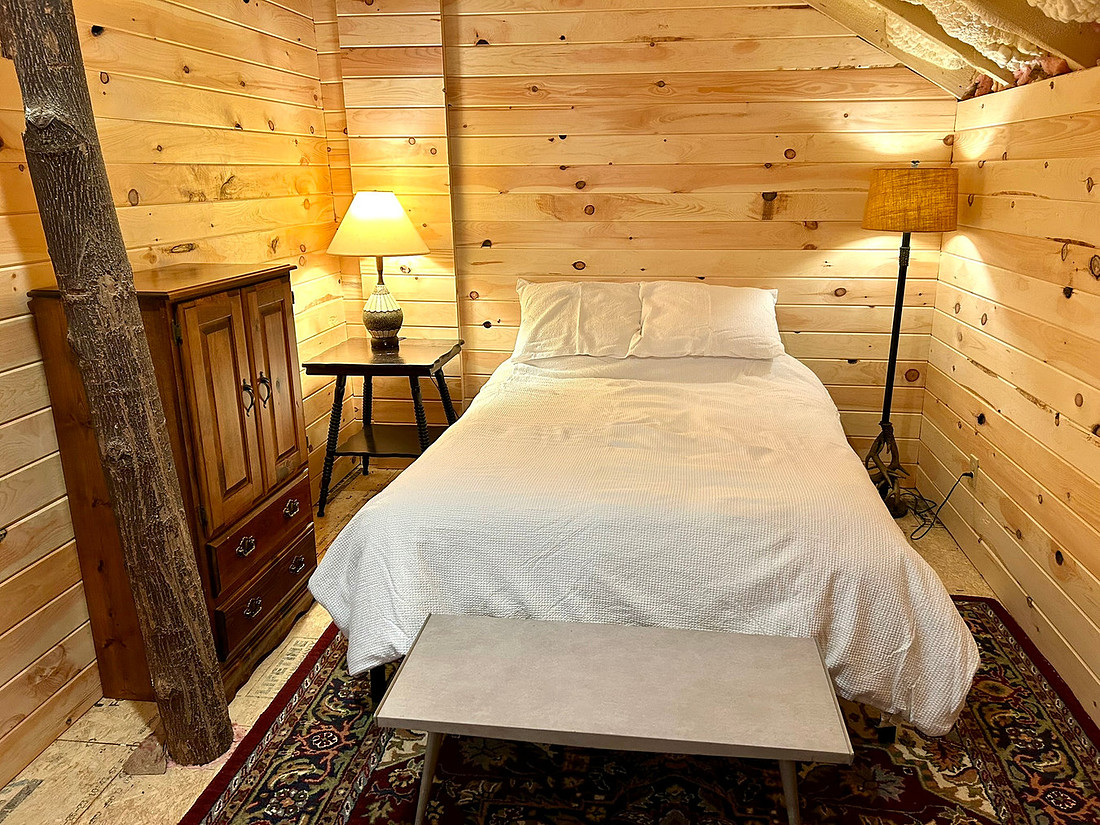
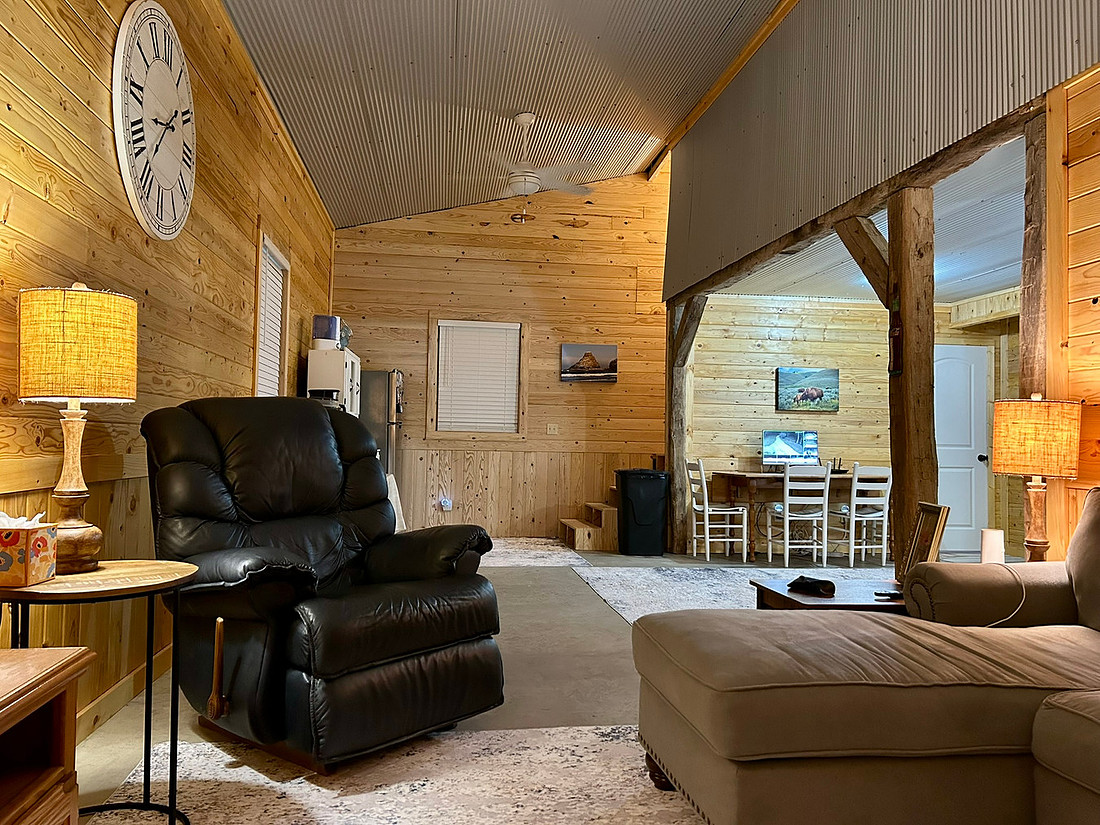
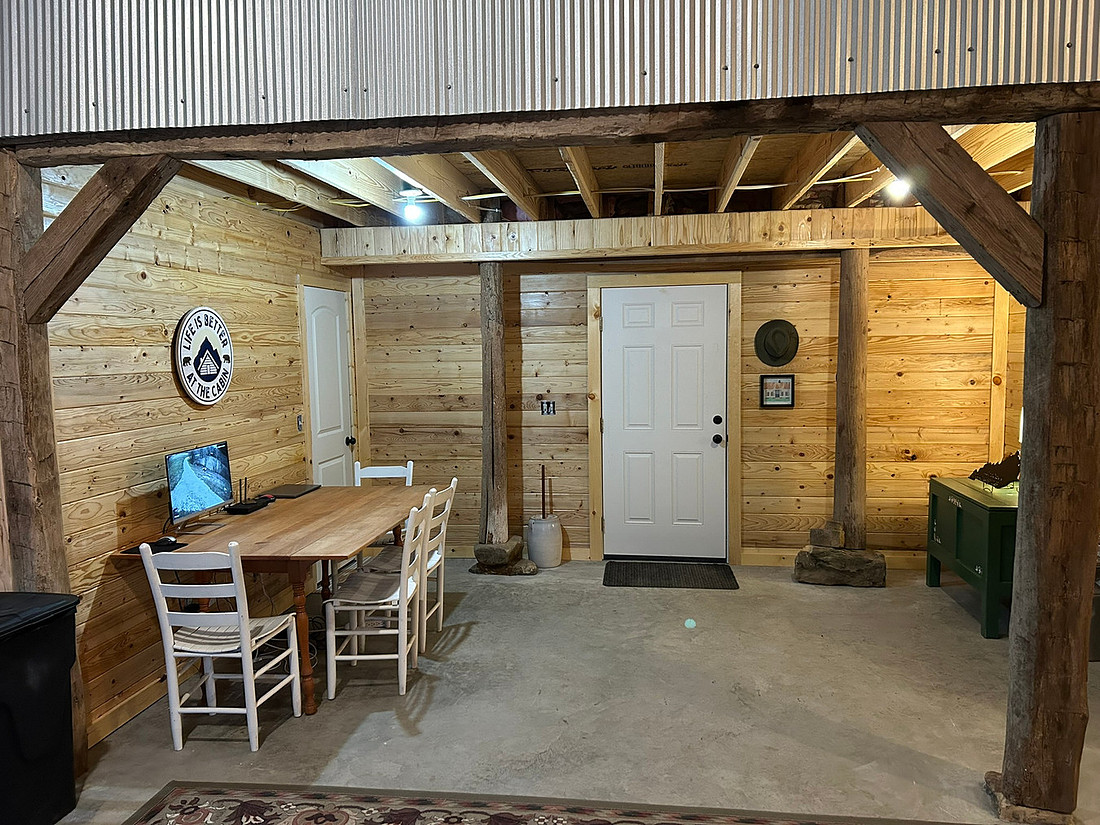
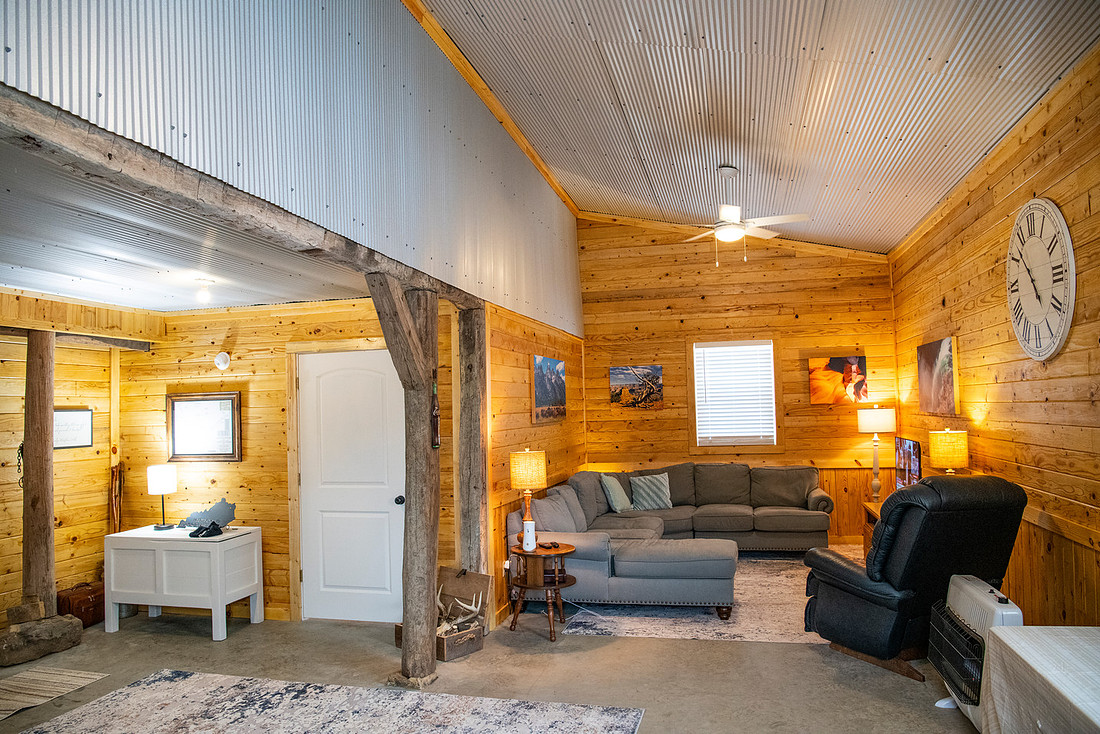
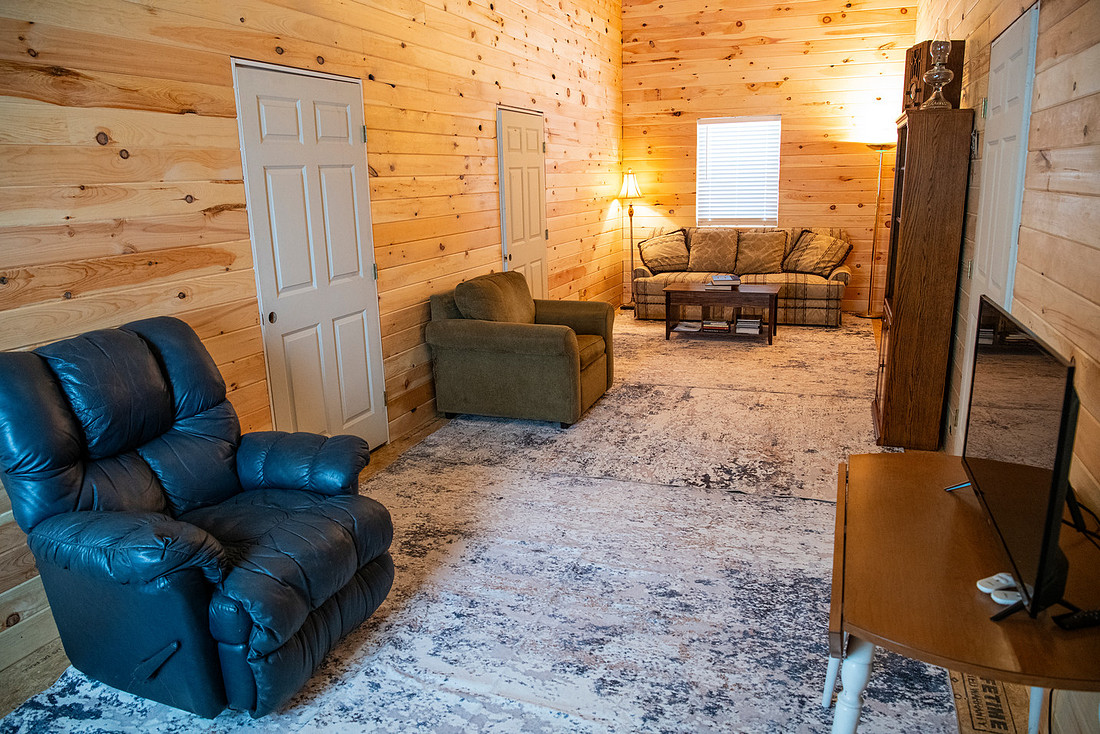 Part of the barn still looks like and smells like your papaw's old tobacco barn, while the other 1,700 square feet of living space is like a Gatlinburg cabin with tongue and groove on the walls and galvalume on the ceilings. With the exception of running water, we have every other utility that we need, including wifi. I'm not much of an Elon Musk fan, but I do enjoy his Star Link!
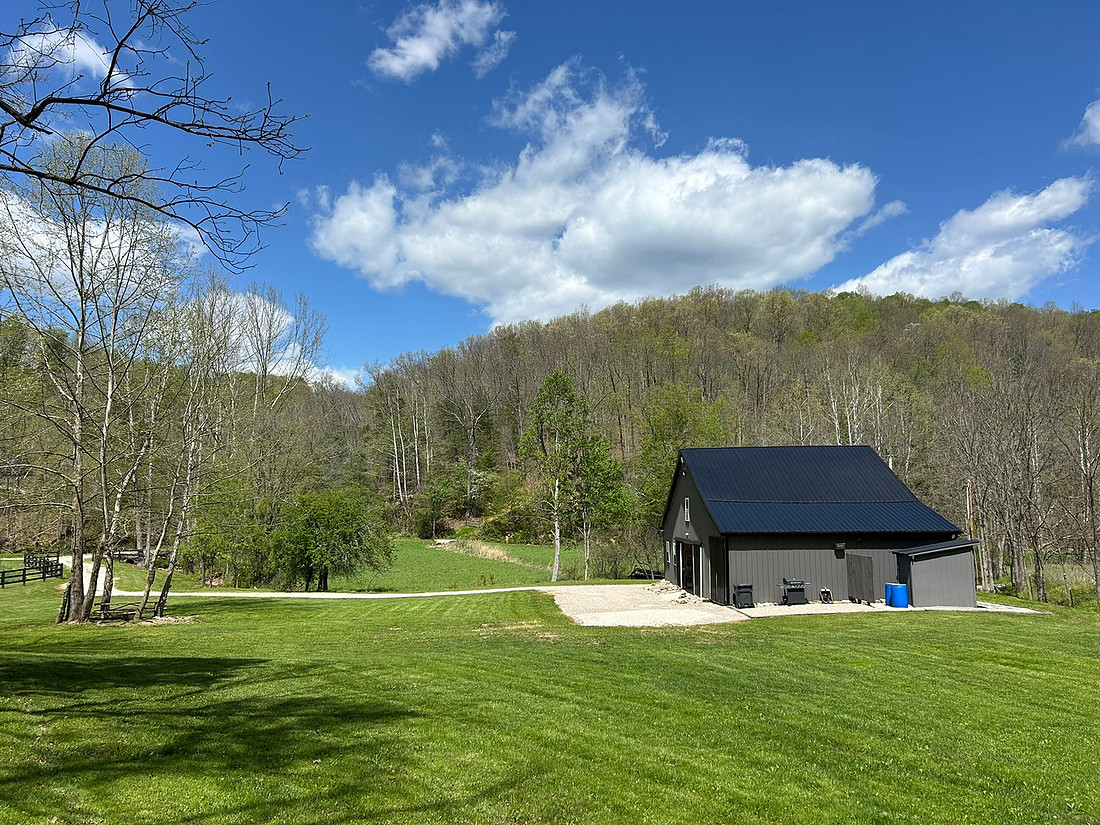
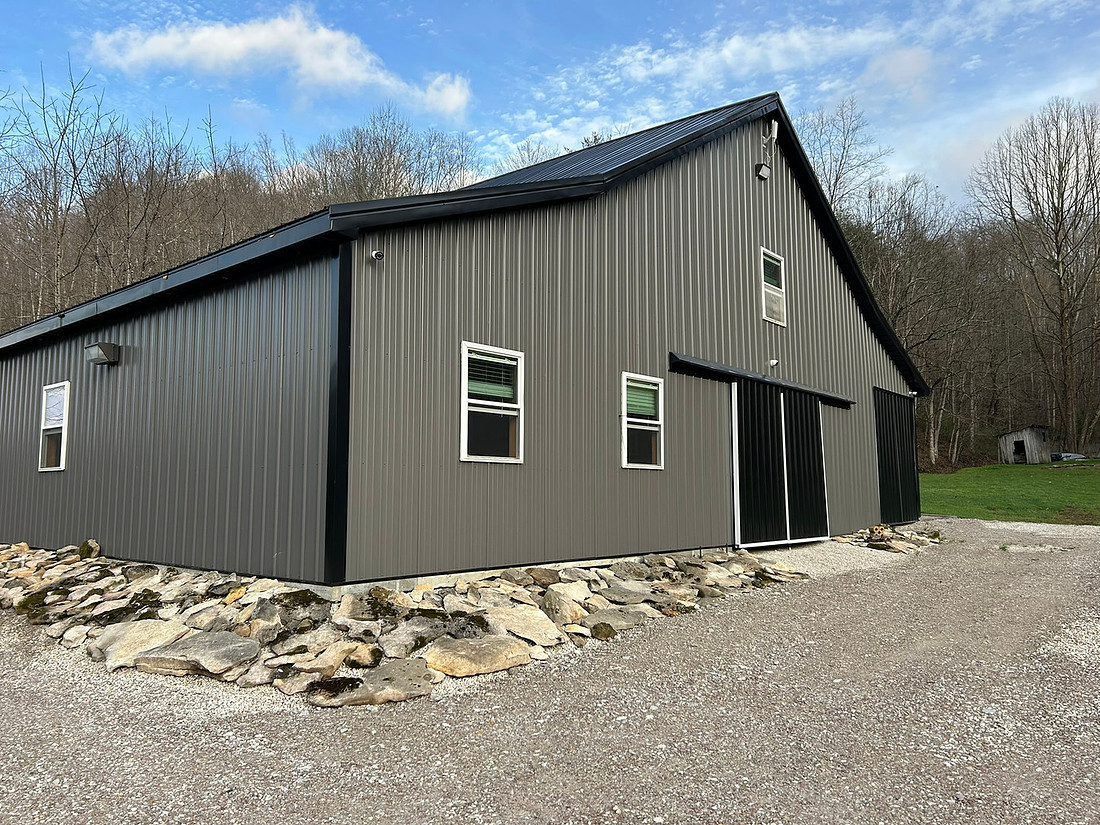 I spent most of Spring Break 2026 hauling 21 tractor loads of limestone rock from one of my fields to line the foundation of the barn.
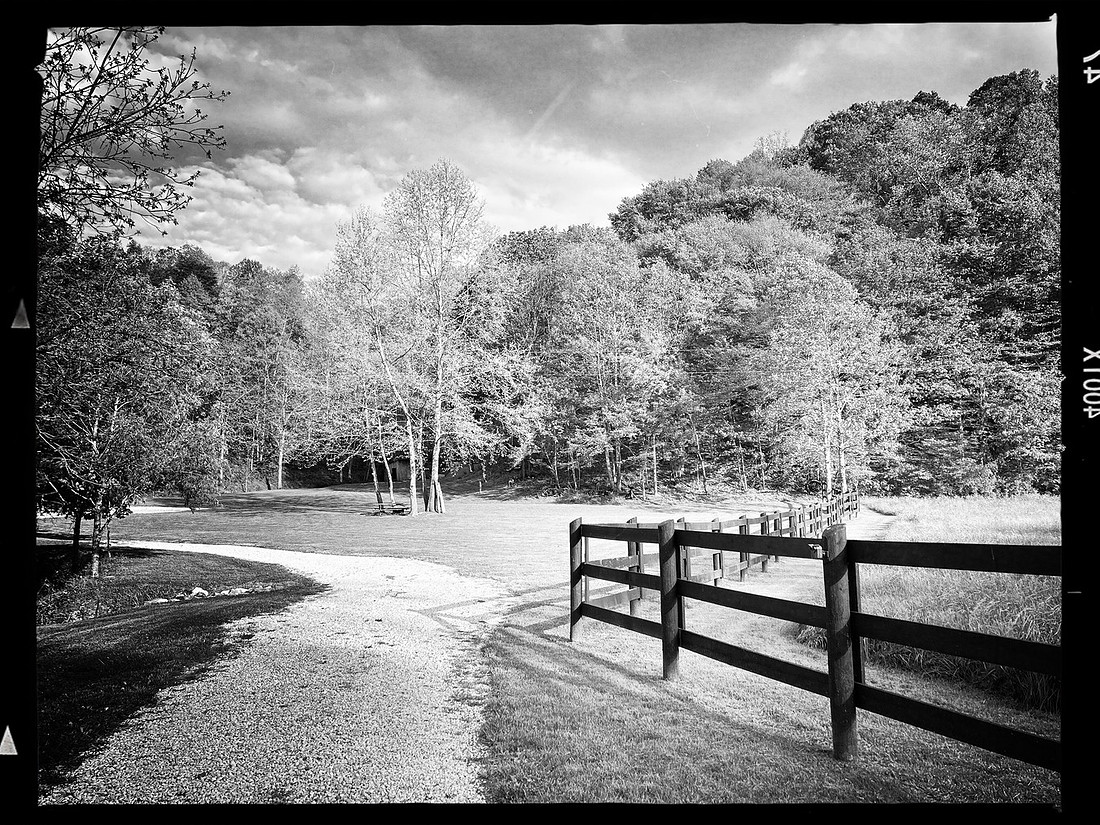
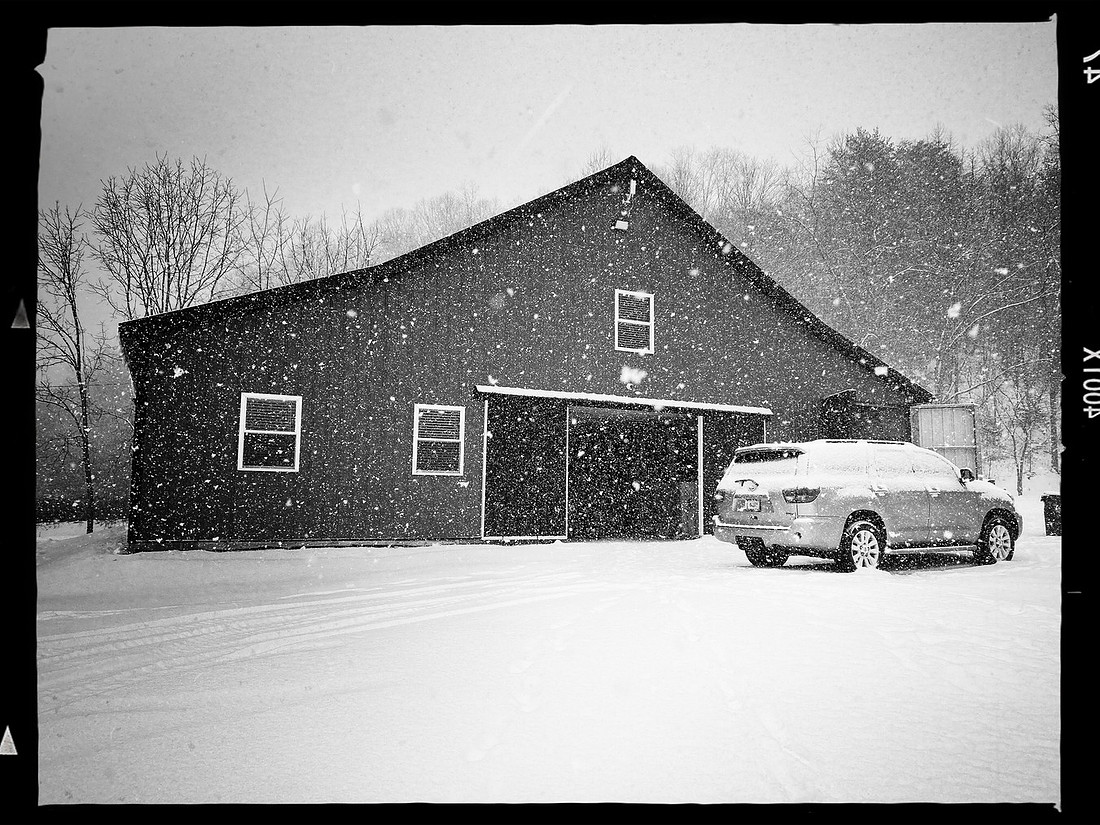 Here a couple of my Hipstamatic phone shots. I LOVE that app!
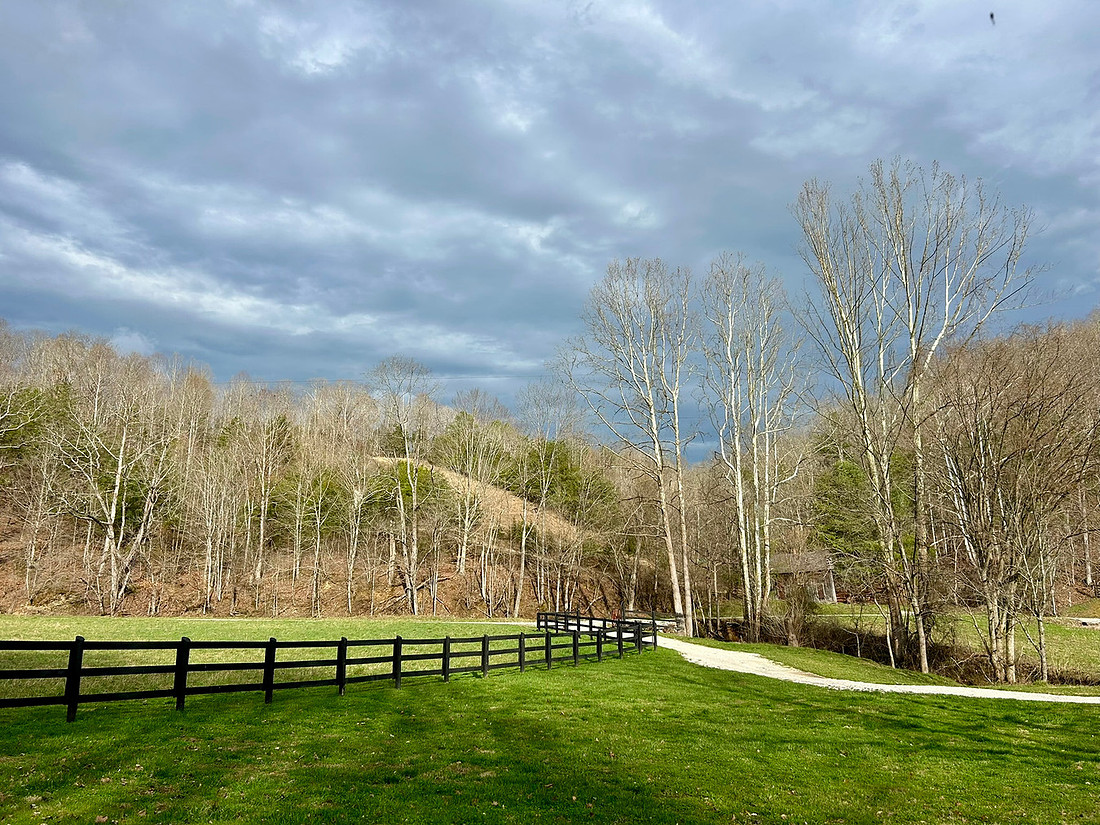
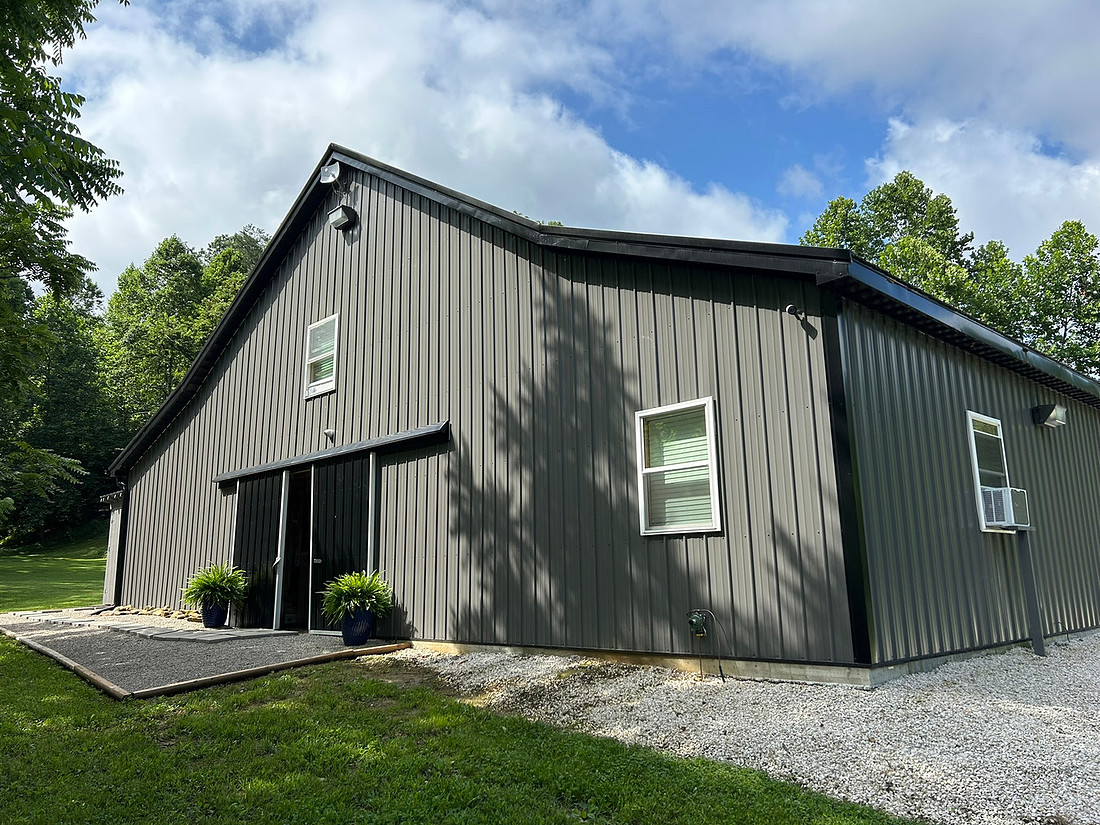
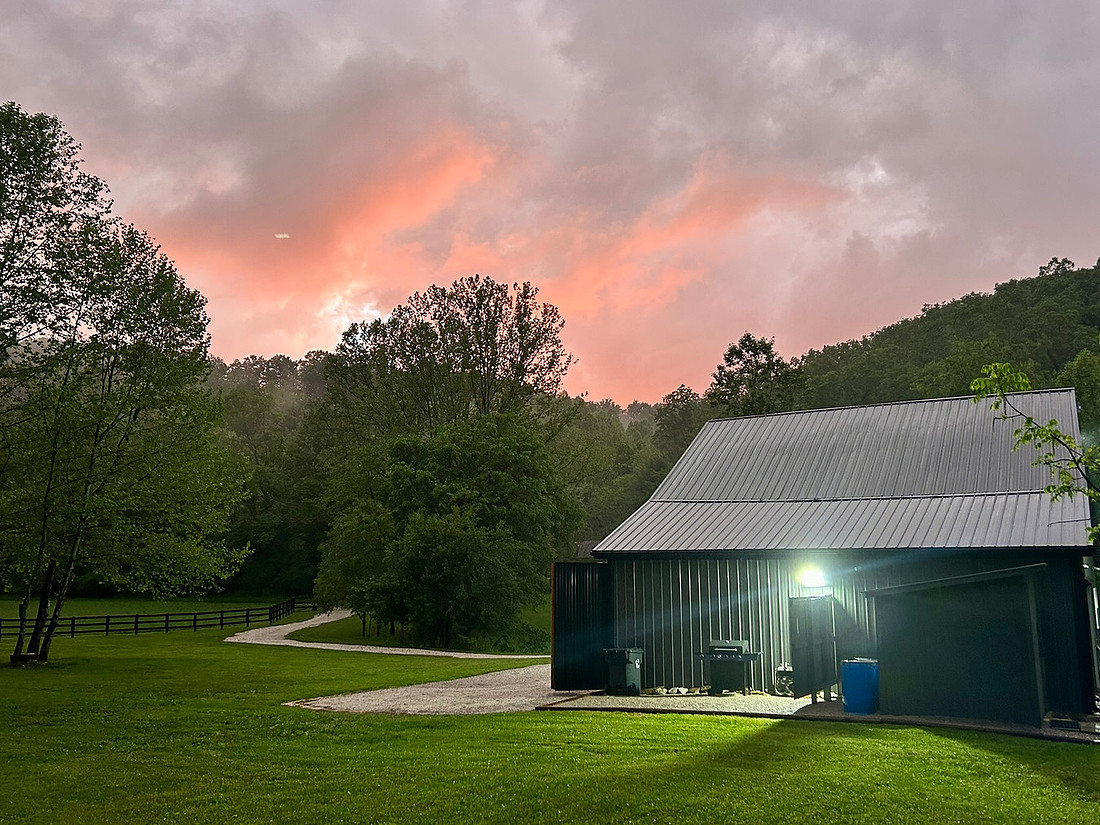
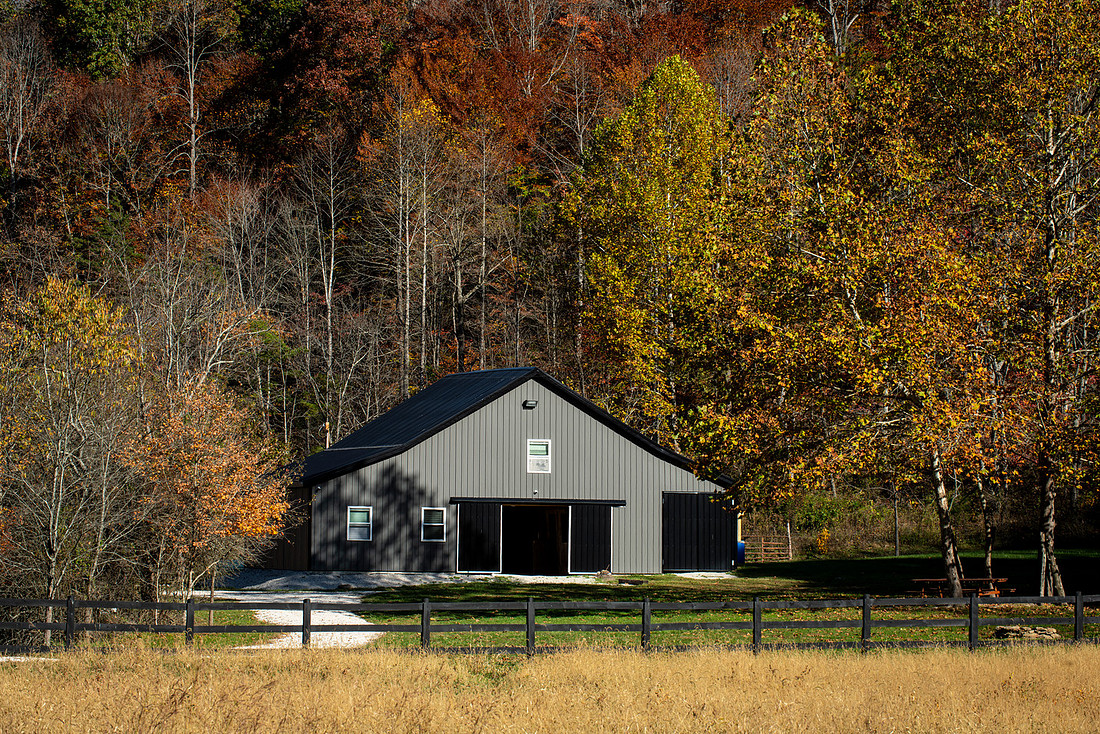
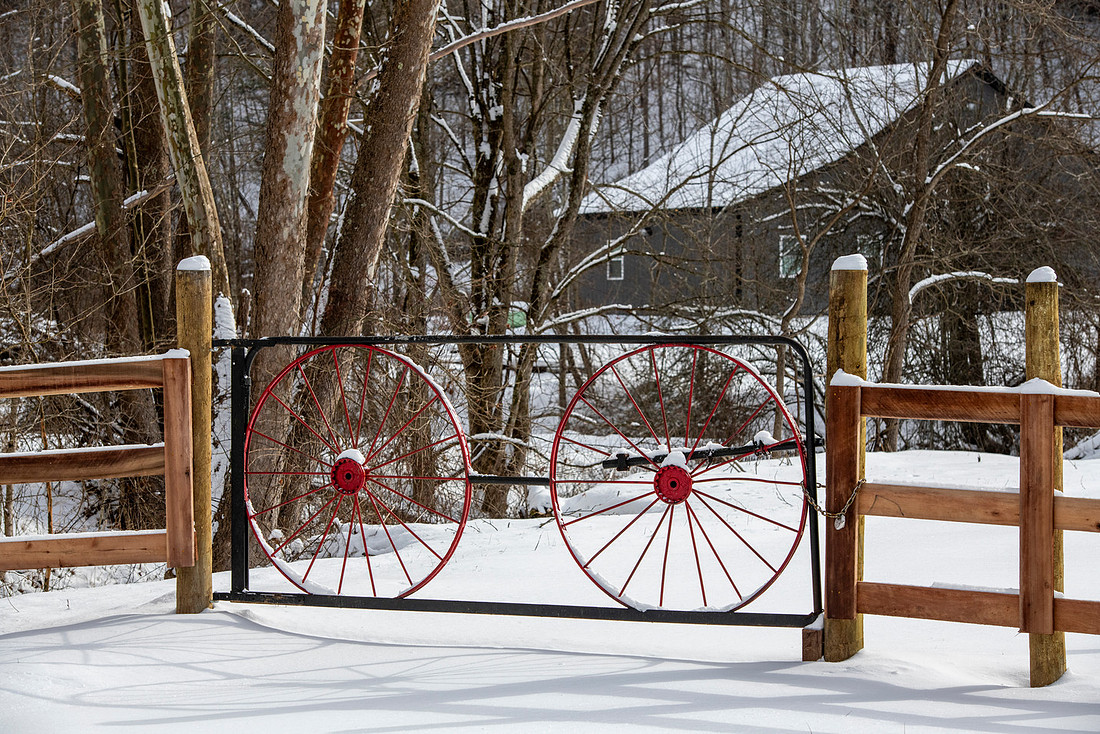
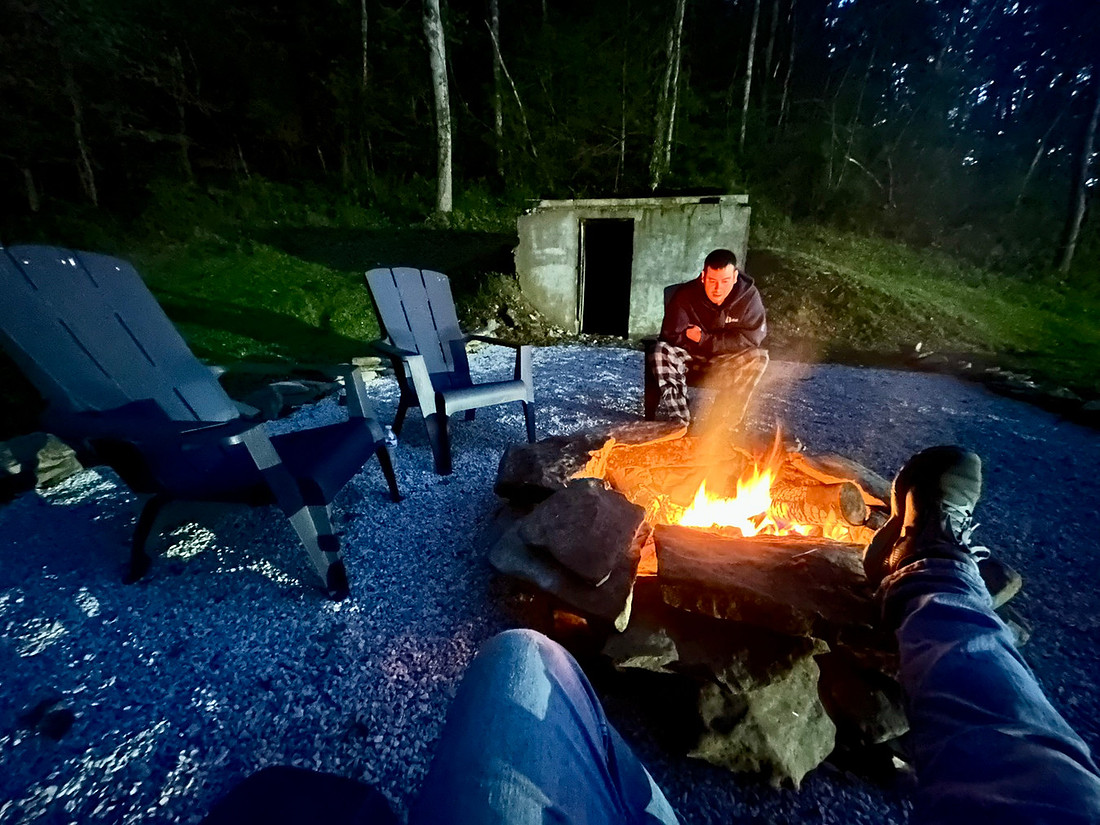 My brother-in-law Brent loves to hang out with me at the fire pit!
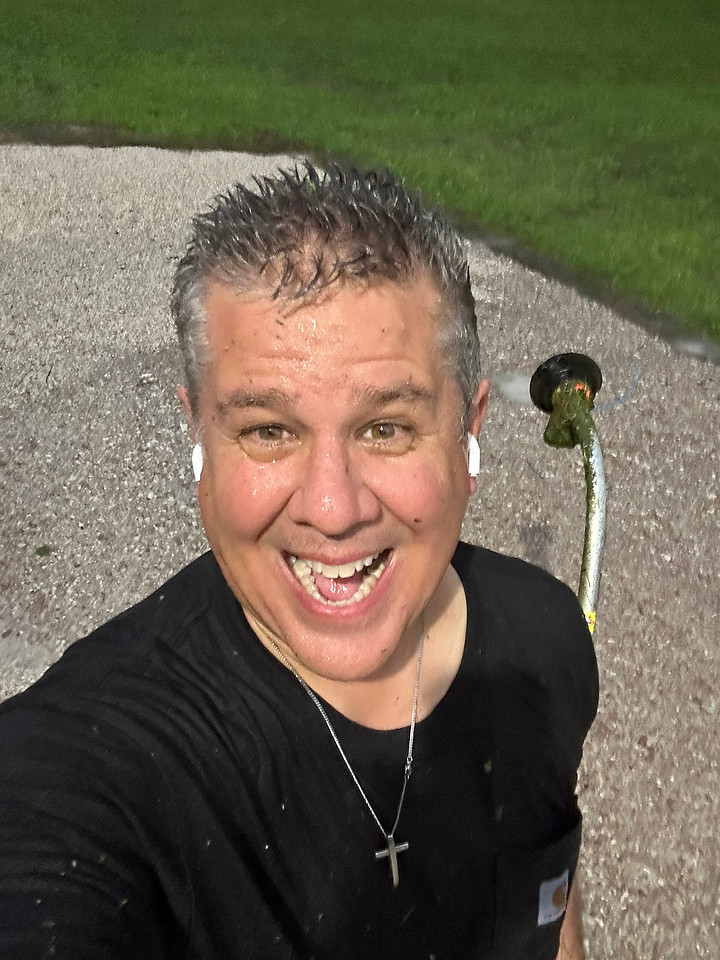
Another advantage of phone cameras are impromptu selfies...like when you need to weed eat and ain't got time to deal with the rain!!!
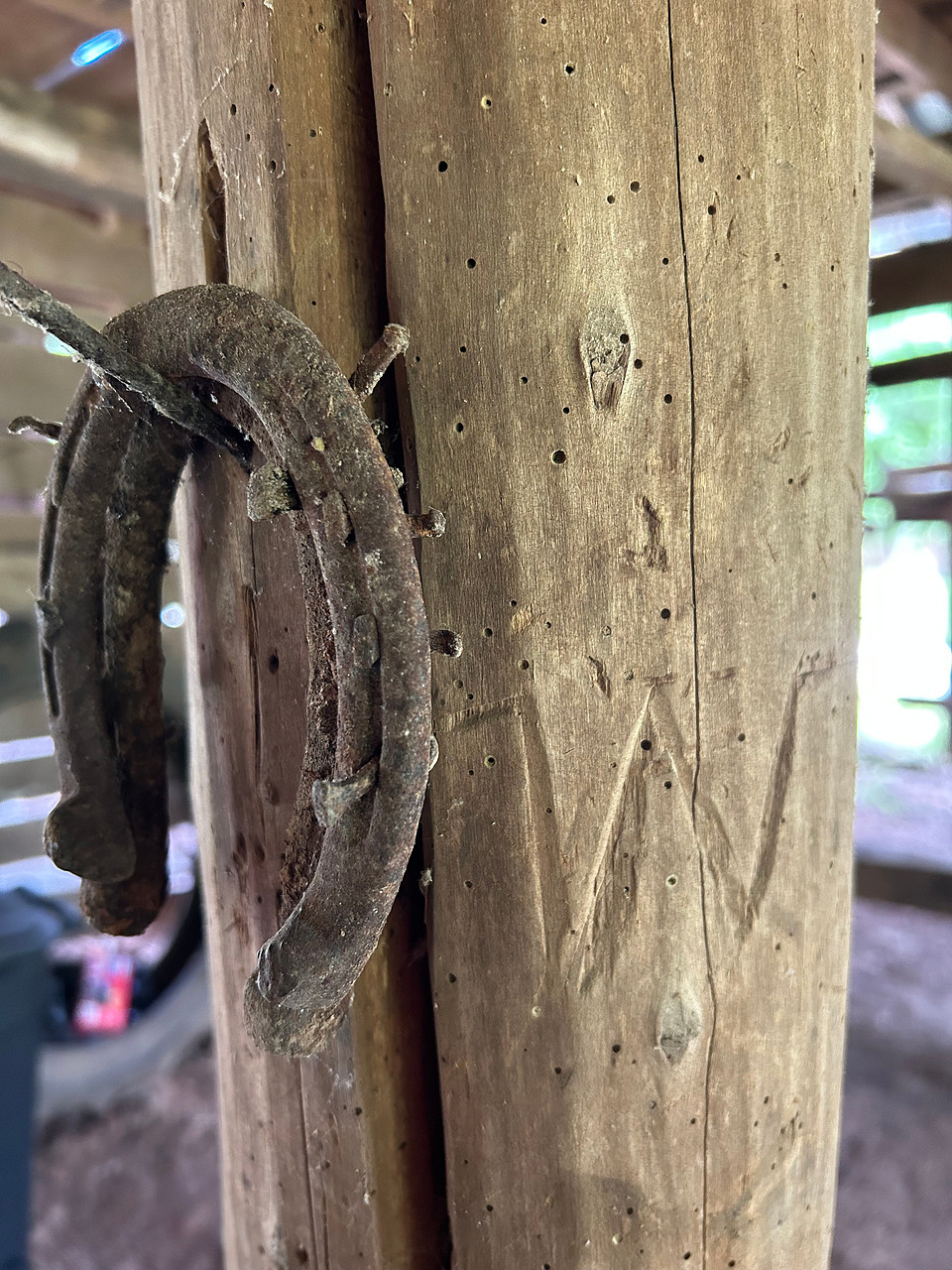
I knew that building the barn was meant to be when I found this "W" stamped into one of the beams. Although my great grandfather had the barn built, and probably paid for it, it was his son, my great uncle Willie McGlone who actually did the building. And he put his stamp of approval on it!
When I Grow Up I Want To Do That!
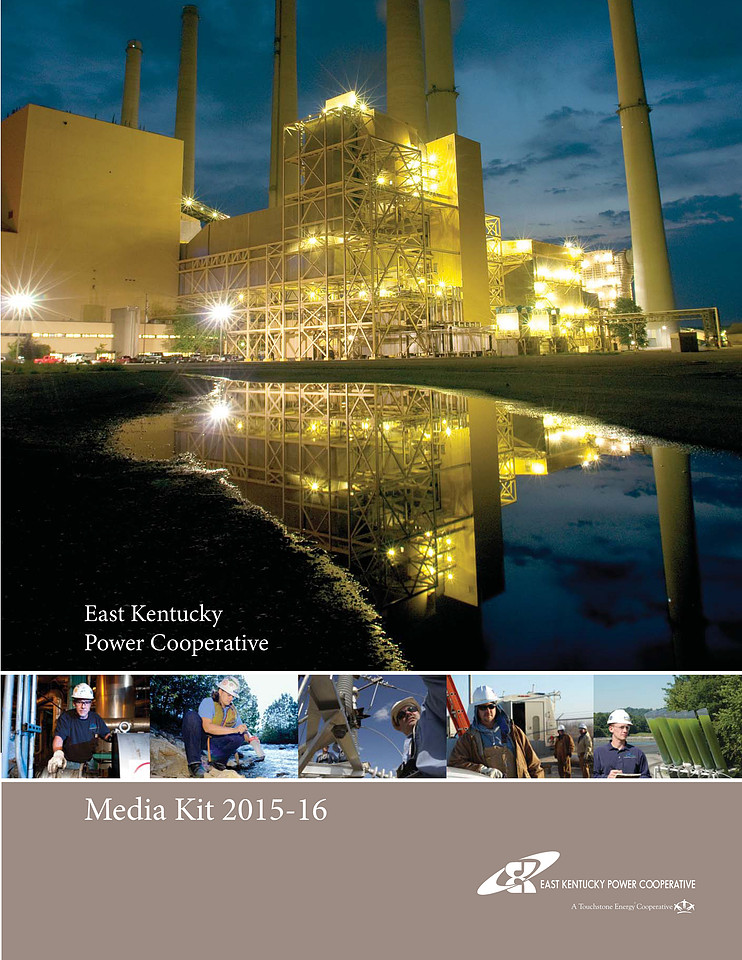
During the summers of 1989 and 1990, I mowed the grass at East Kentucky Power Cooperative in Winchester while I was in college. There were usually two of us, and they nicknamed us CBs which stood for college boys. On rainy days we would work inside the building changing out light bulbs. There was one department that always had the brightest lights on East Kentucky Power's campus, and that was the public relations department, because I would replace good bulbs with other good bulbs, just so that I could go there hang out with the staff.
They had a very similar department like what I would eventually be part of at Eastern Kentucky University, with a director, a writer, a photographer, and a graphic designer. As a young, aspiring, wannabe photographer, I fell in love with everything that they did. I got to know the whole staff and was amazed at the work they turned out, that included a company magazine, a newsletter, and external press releases. But the cream of the crop was their annual report, that was printed on heavy stock, gloss paper. I never read the words much, but I studied every aspect of the photos. I knew they're public relations department was playing in the major leagues and that was where I wanted to be some day. I just didn't know how to get there. One thing was certain. I knew that when I grew up as a photographer that was what I wanted to do. It would just require a little bit of a journey before I could get there.
Their director was a man named Jerry Schierman, who was a fabulous amateur photographer in his own right. I asked him if he would critique my portfolio that was literally in a scrapbook. Geez!!! A few weeks later, after I had bugged him enough, he gave me a day and a time to come up and talk to him. I turned it into a self-proclaimed interview, just knowing that he was going to offer me a job on the spot as an assistant to their seasoned, full-time photographer John Ginter.
I got off of the tractor and bush hog that I had been mowing with all summer, and came inside the building that morning and cleaned up and put on a shirt and tie for my big interview. I was so pumped up. But my opportunity of a lifetime quickly turned into the great reality of a lifetime. Jerry was very nice to me, but he was also brutally honest with me. I was at the point in my career that my parents and my friends were telling what a great photographer I was. But in reality, I pretty much sucked and had a long way to go before working in corporate photography. Jerry told me that I needed to learn how focus. I needed to get better at composition, and I needed a lot of work to be better in the darkroom! He said that East Kentucky Power was getting ready to celebrate their 50th anniversary and that would require some extra work, but it wasn't anything that John Ginter couldn't handle, and he didn't really need two photographers.
Jerry gave me a very sobering critique of my photography. His honesty crushed my ego, but it was a blessing in disguise. He didn't tell me what I wanted to hear, instead, he told me what I needed to hear. He also gave me a piece of advice that was pure gold. He told me to go back to EKU and change my major from public relations to journalism, because in the public relations industry you had to be a good writer, and journalism was the best training to be a daily writer. I took his advice and switched my major in the fall of 1990, and the rest is history.
Fast forward about ten years later... I was killing it as EKU's University Photographer. East Kentucky Power and Touchstone Energy were the title sponsor of the All-A Classic basketball tournament that was played on EKU's campus each year. I went over one day to grab a few pictures, and in those days I had studio lights in the catwalk that I would fire with a remote from my camera. Jerry was there working the tournament. I recognized him, but he had no idea who I was. He came up to me and said with child-like wonder, "Are you the one making those lights fire from the catwalk, and how are you doing that!?!" My response was..."You don't know who I am, do you?" It was truly a Simba and Mufasa circle-of-life moment. Although he didn't remember the advice he gave me, I told him that it was probably the greatest life-changing advice that any one had ever given me.
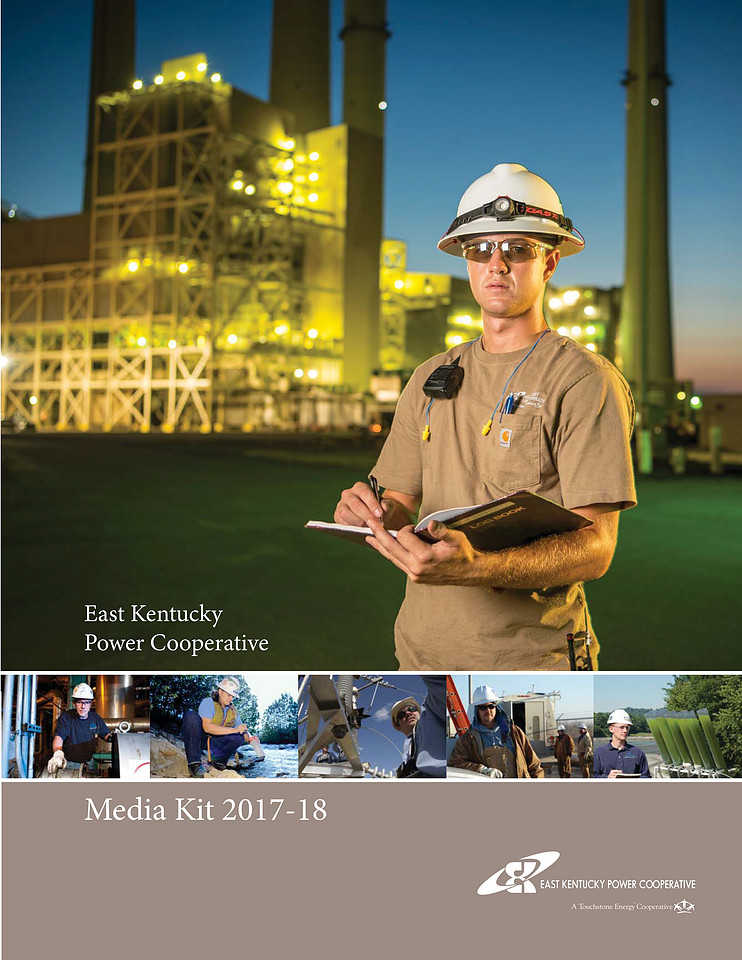
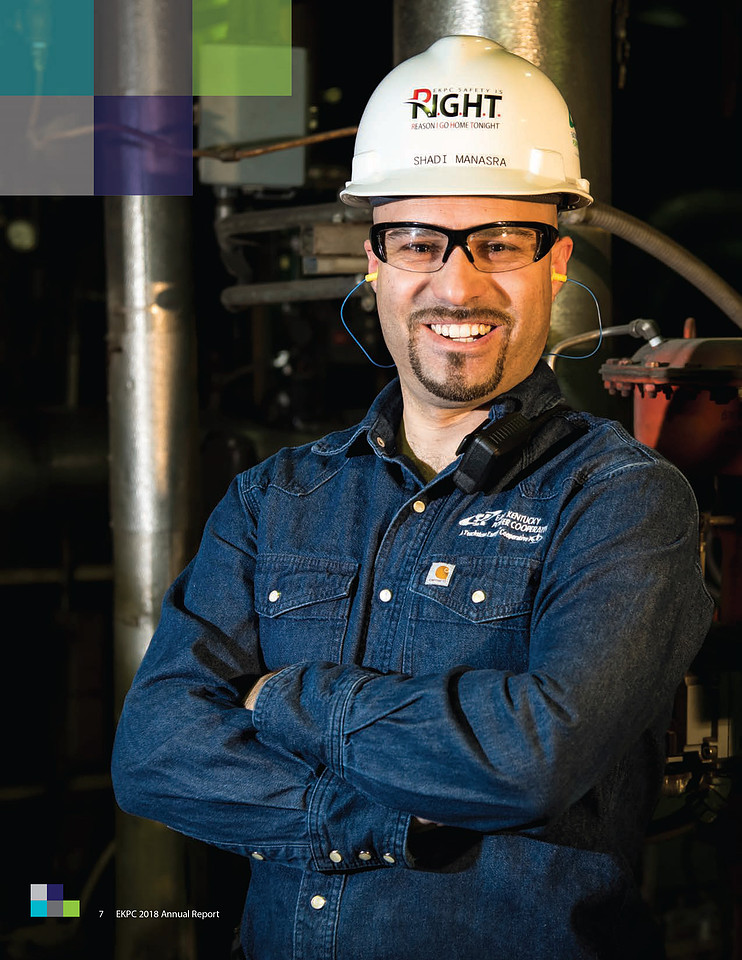
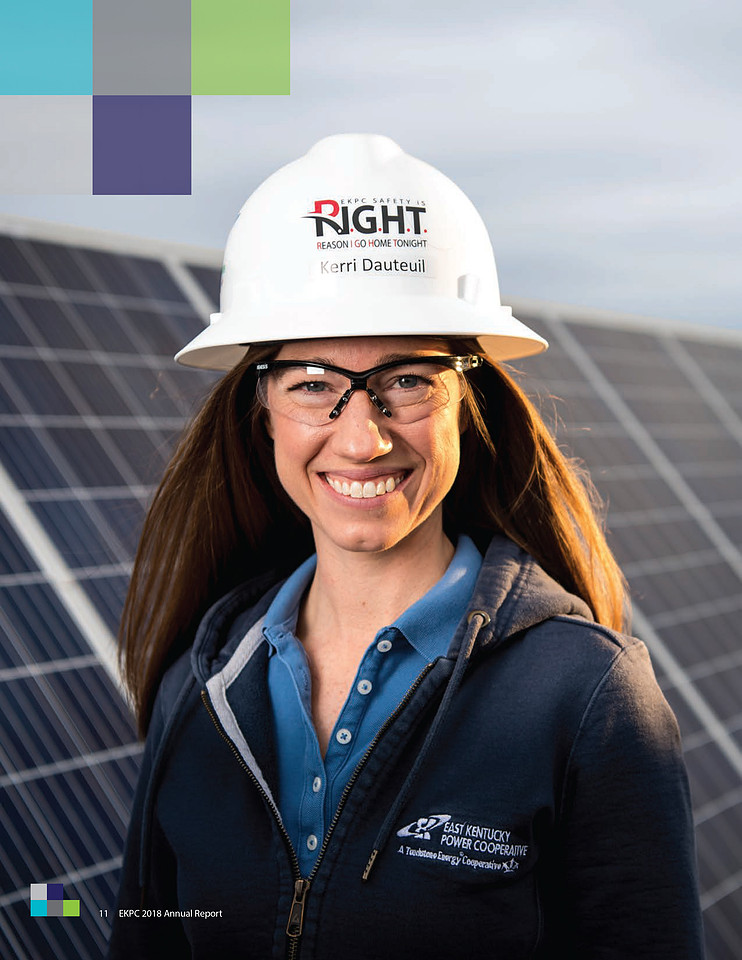
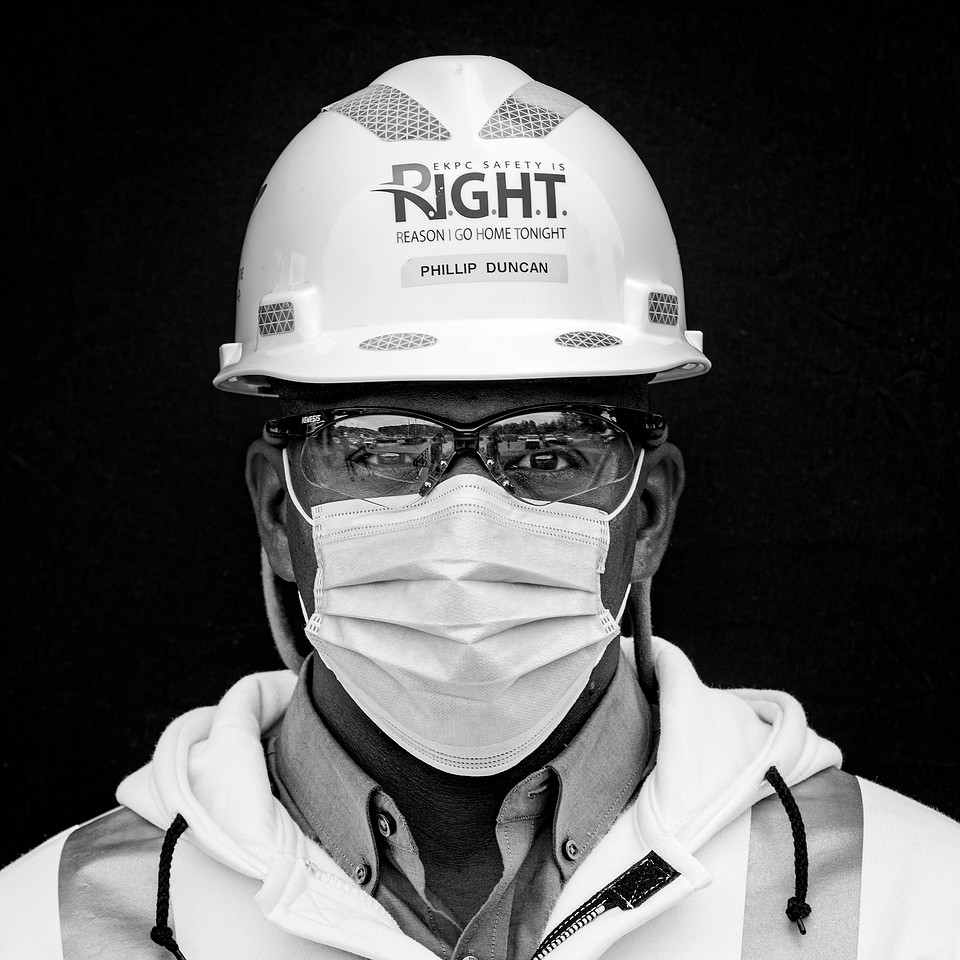
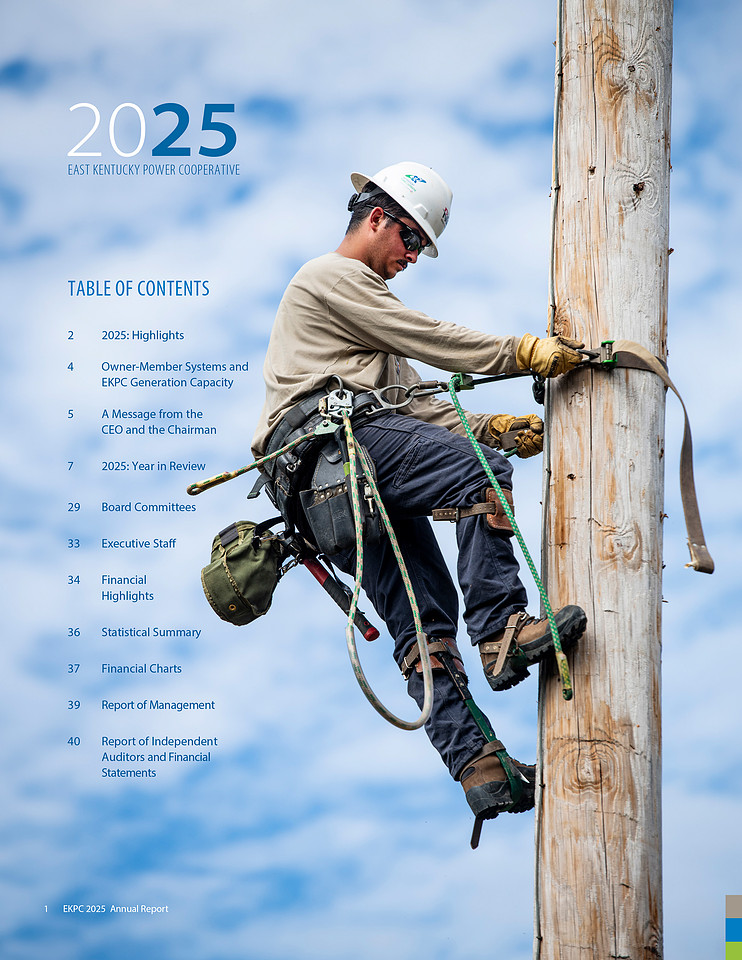
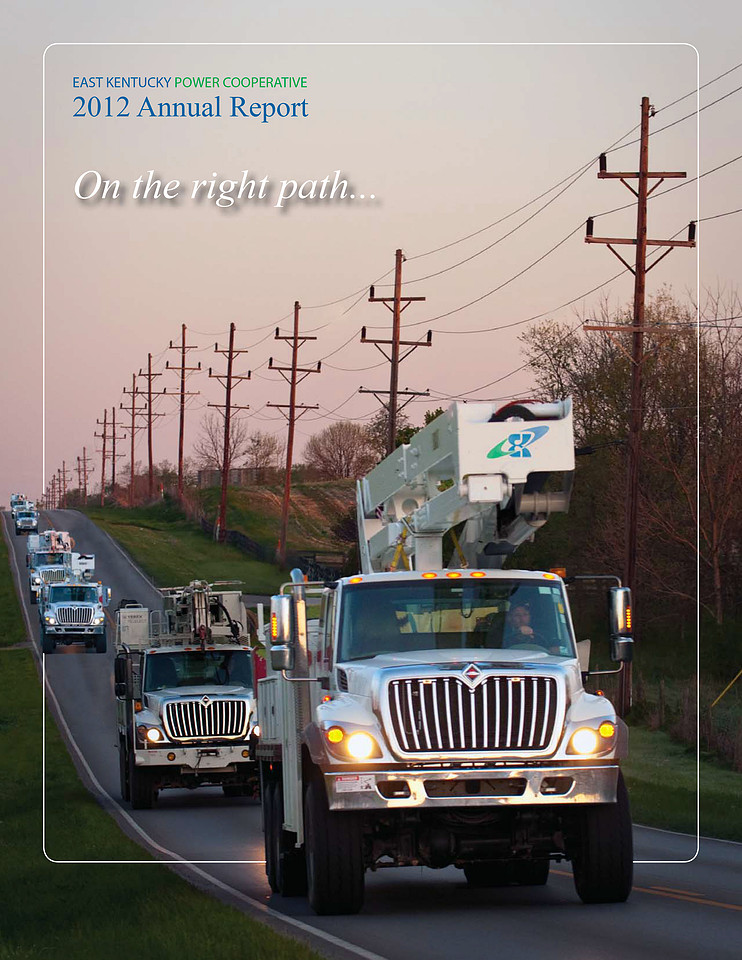
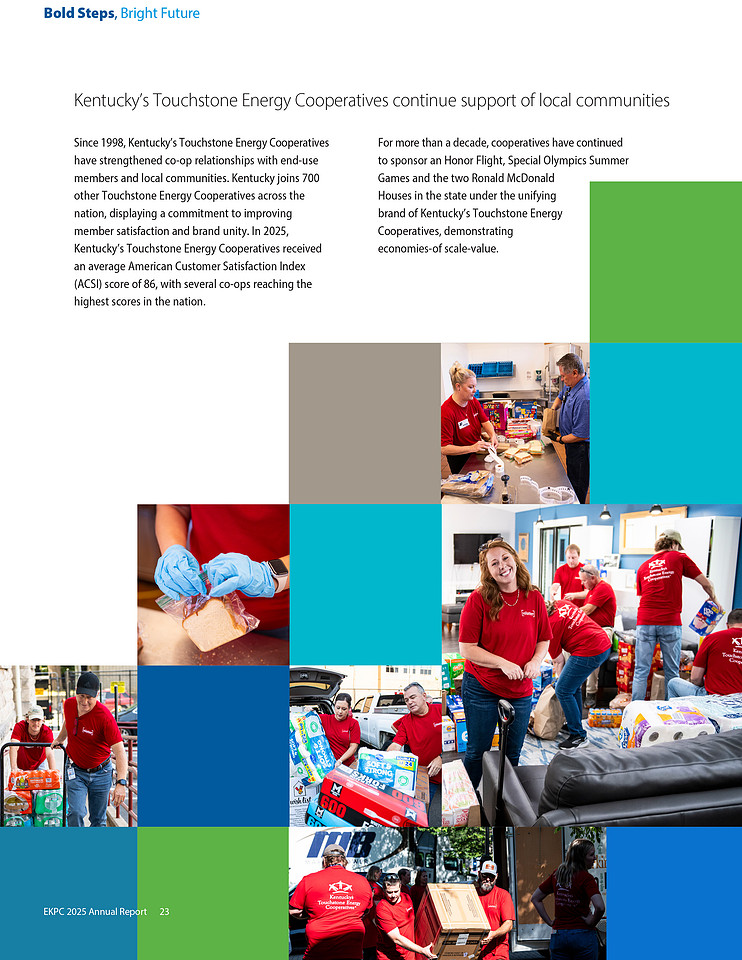
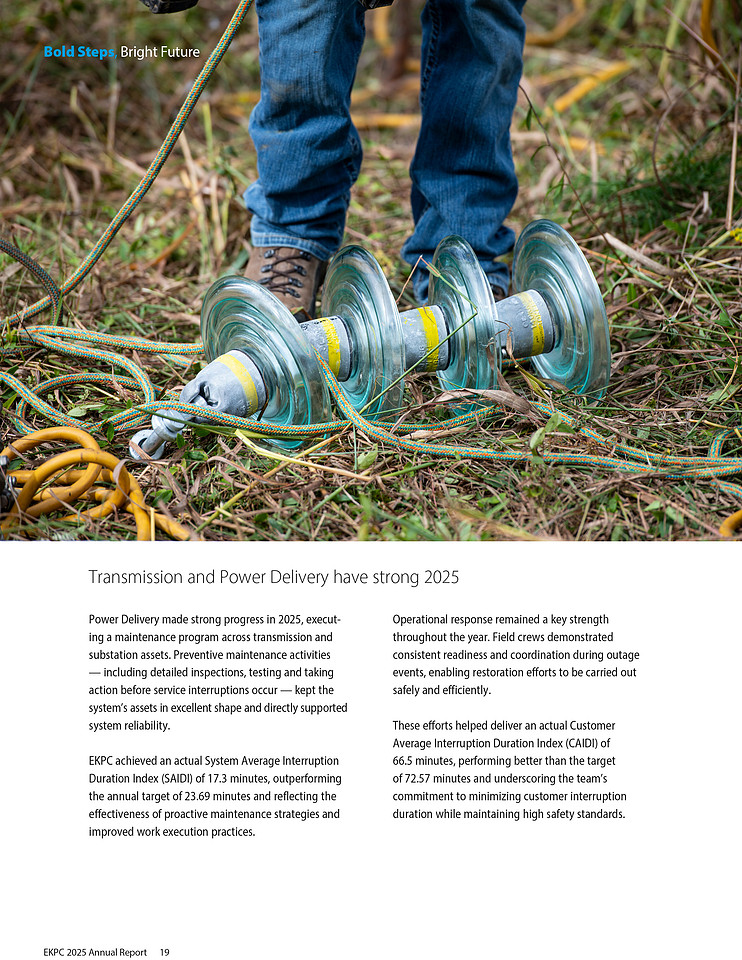
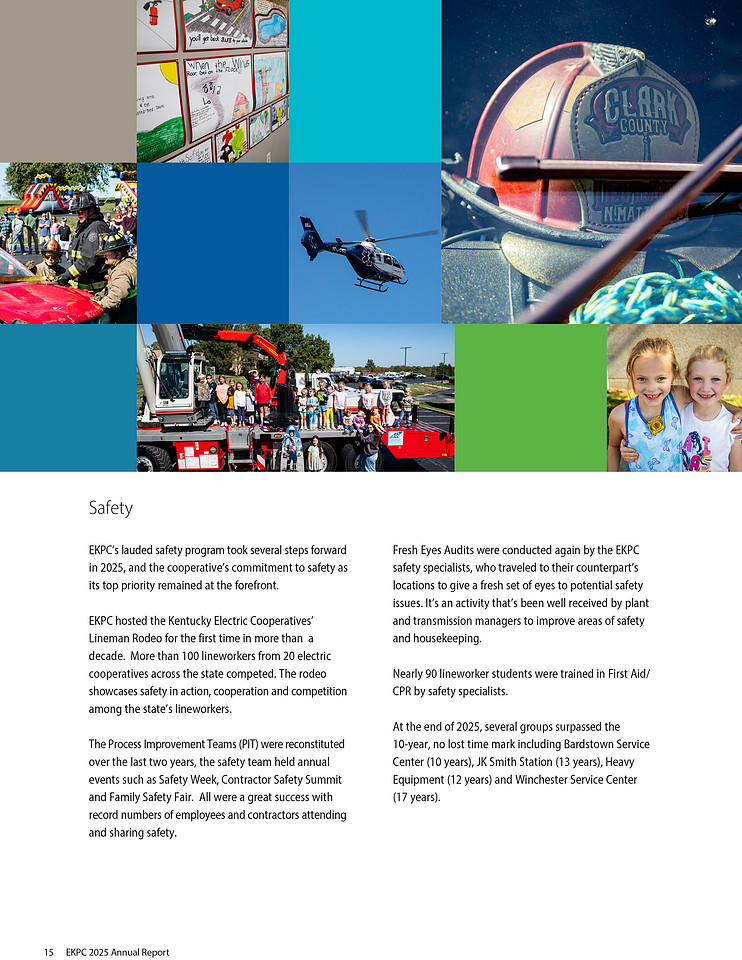
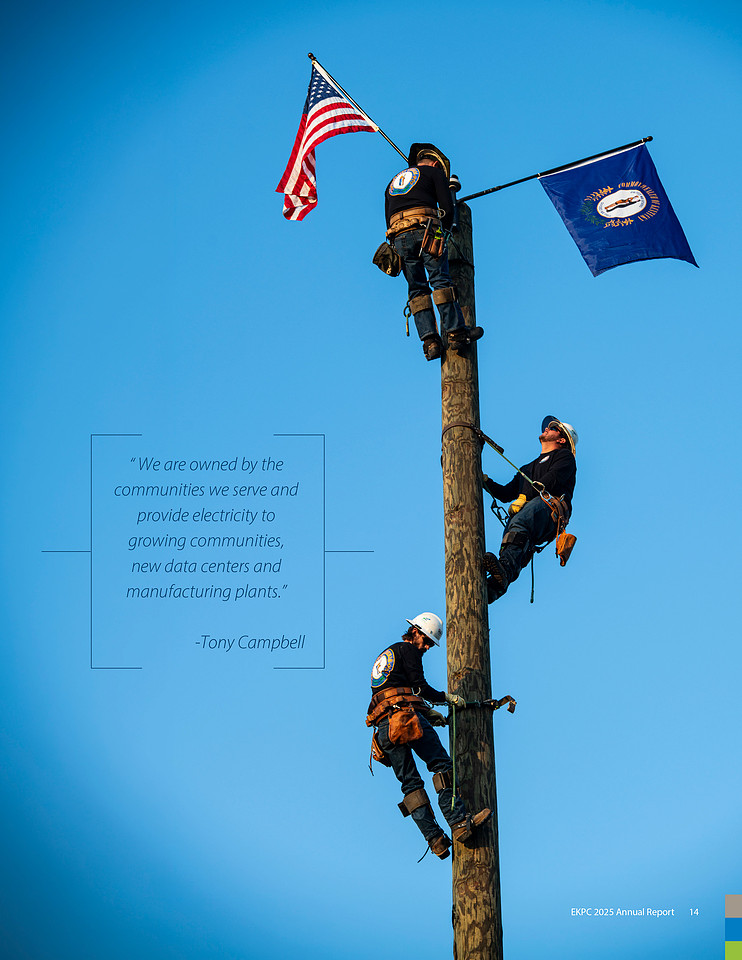
A couple of years after I left EKU to go out on my own, John Ginter, who had been East Kentucky Power's photographer for almost 40 years at that point, hired me to help him a couple of different times. Then when he retired, the company that I used to mow the grass for, and the company that I wanted to work for so badly, ultimately hired me on a contract basis to fill John's shoes. I didn't get to be part of their 50th anniversary, but the company is now celebrating their 85th this year. I now get to do the bulk of their photography, including the annual report. The same annual report that I used to sit and pour over on those rainy days as a CB.
It truly warms my heart and puts a smile on my face each year when a new East Kentucky Power Cooperative annual report is published, with my photos gracing the cover and the inside pages. It just goes to show that God has a plan. And usually his clock is a little slower than ours. I wanted to work for East Kentucky Power so bad in 1990, but God had different plans, and thankfully, he knew that I had a lot of growing to do first.
-30-
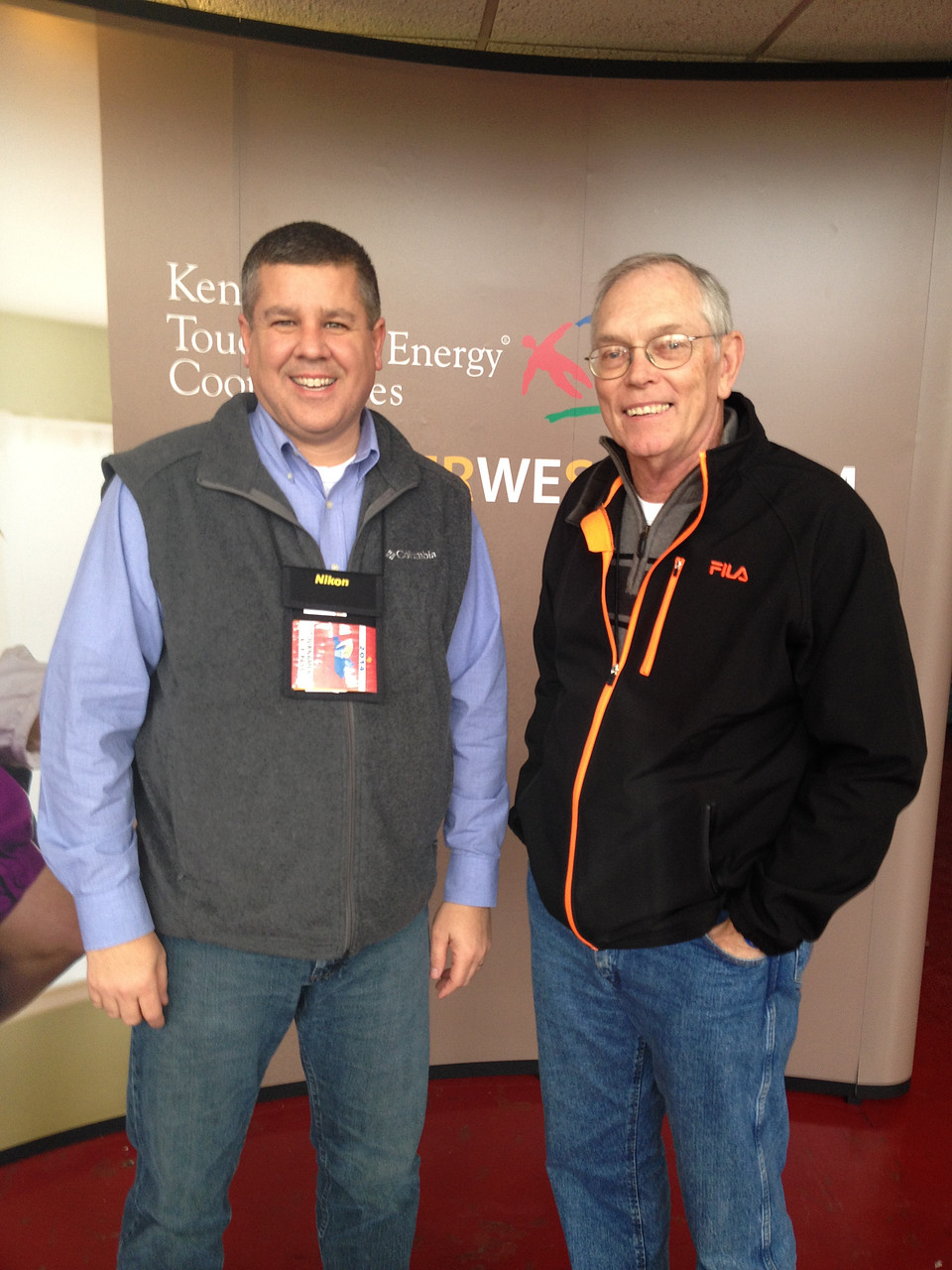
Jerry Schierman and I at the All-A Classic Basketball Tournament in 2014.






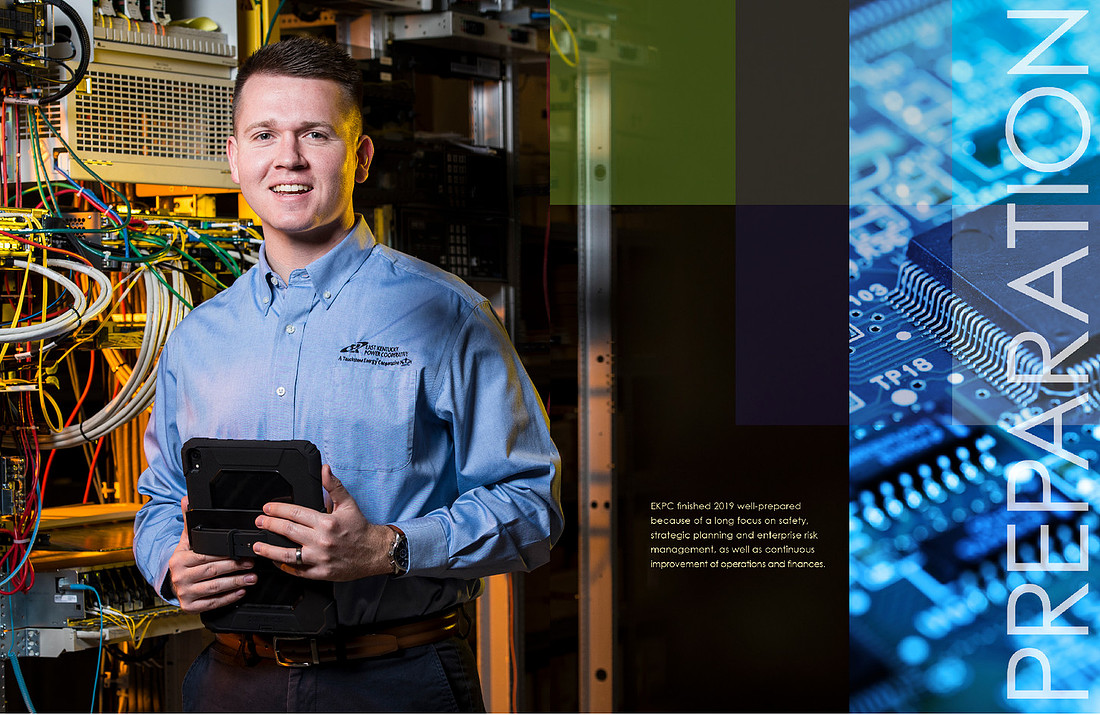
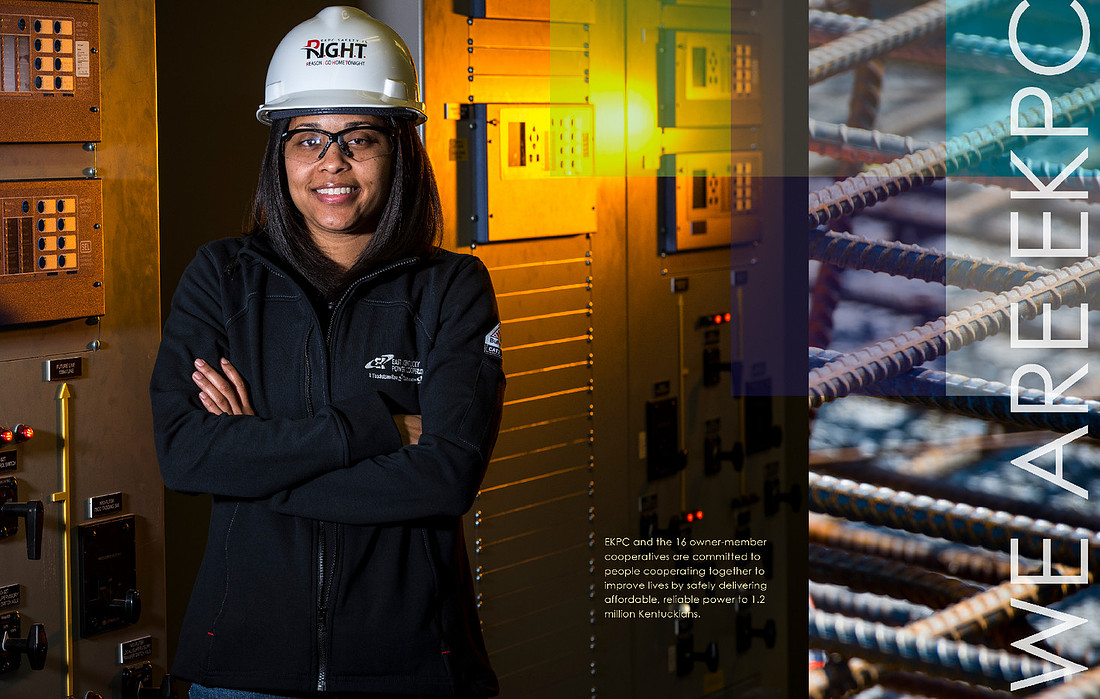
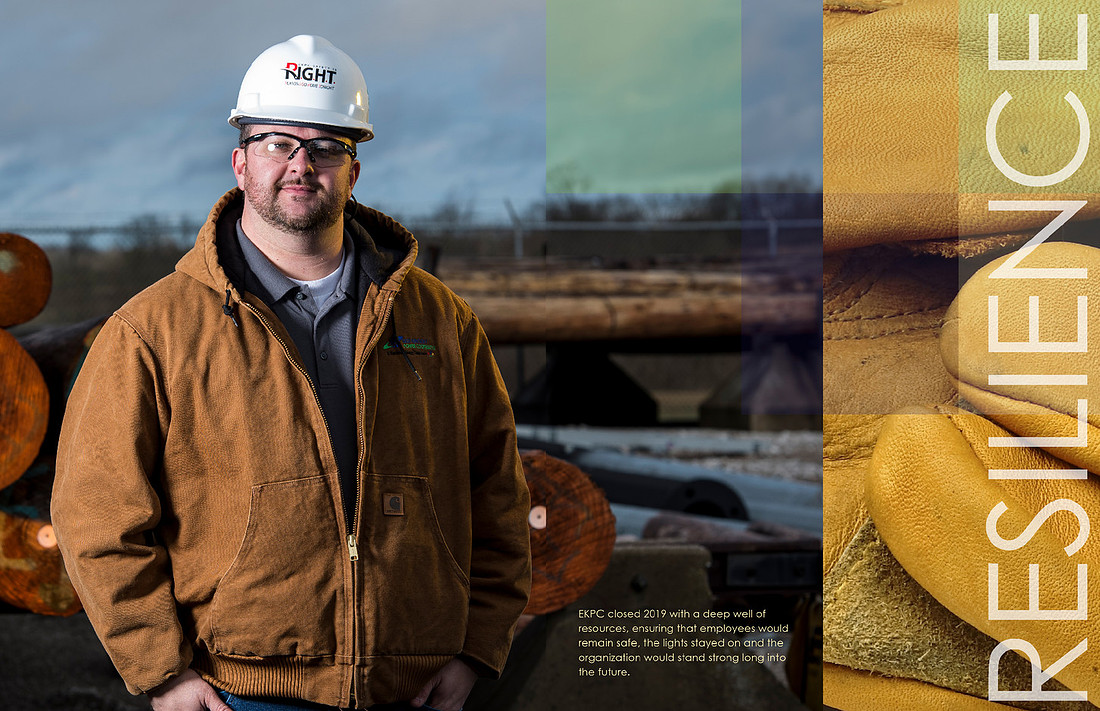
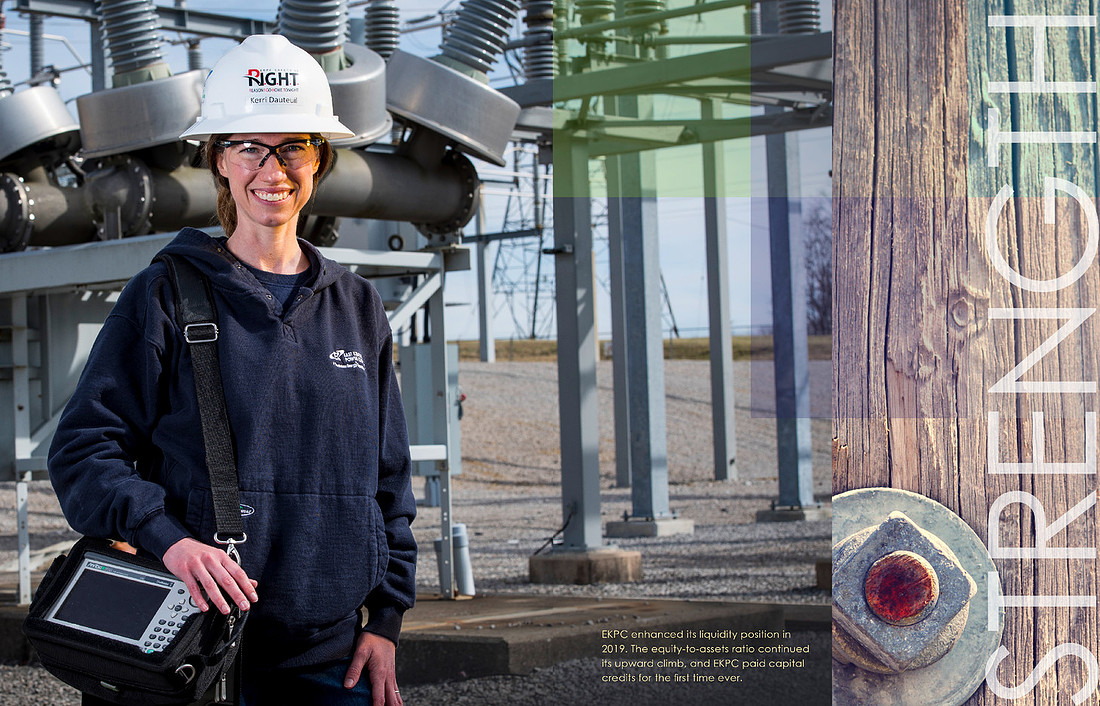

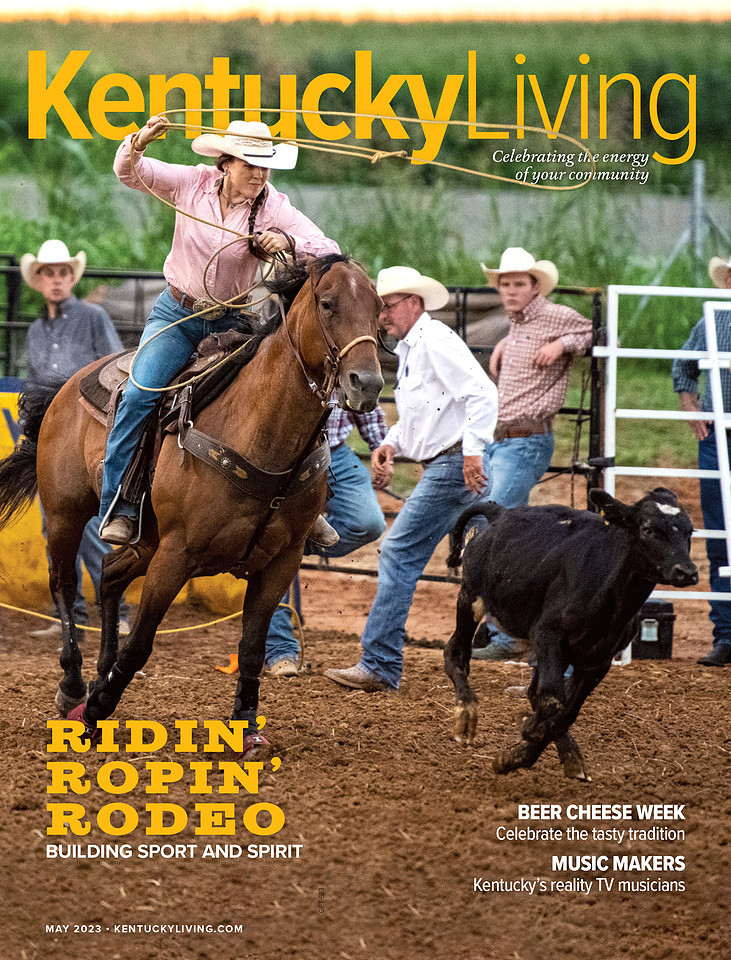
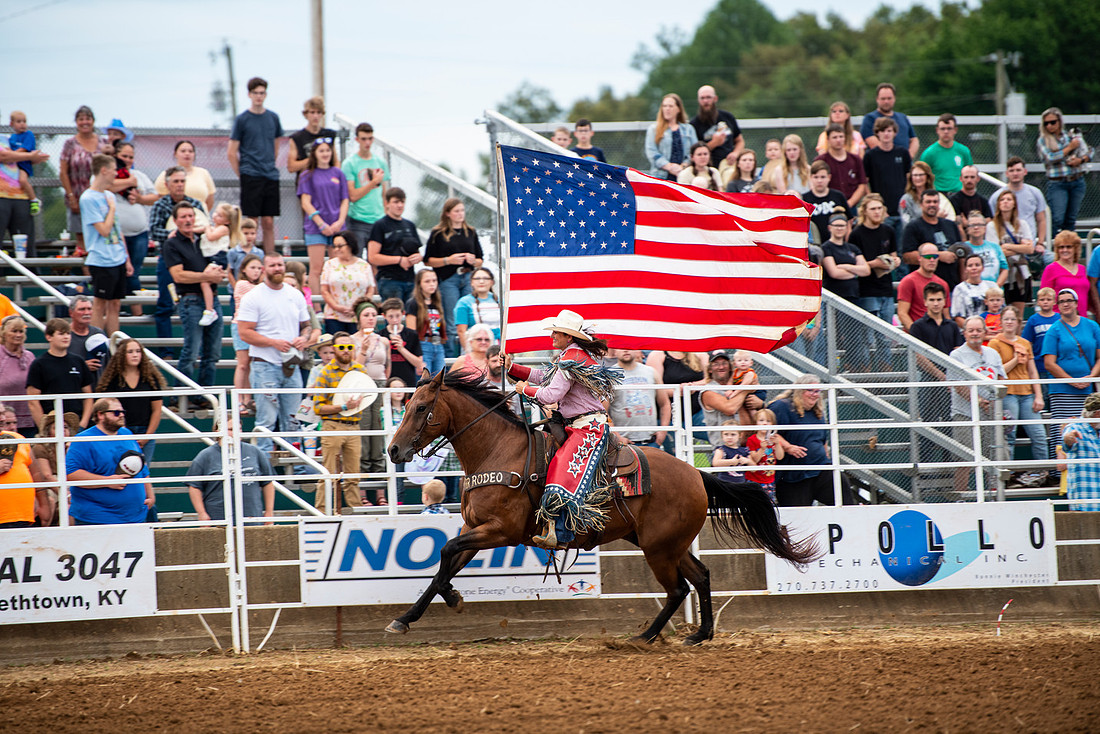
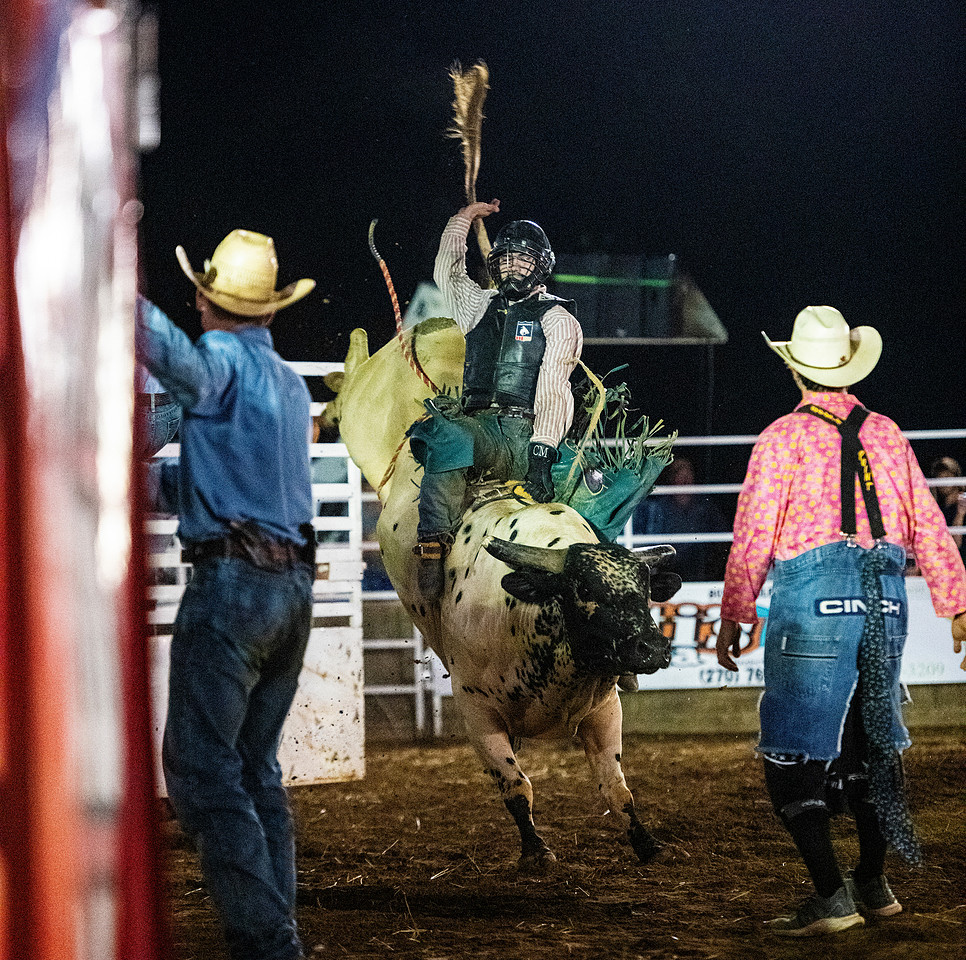
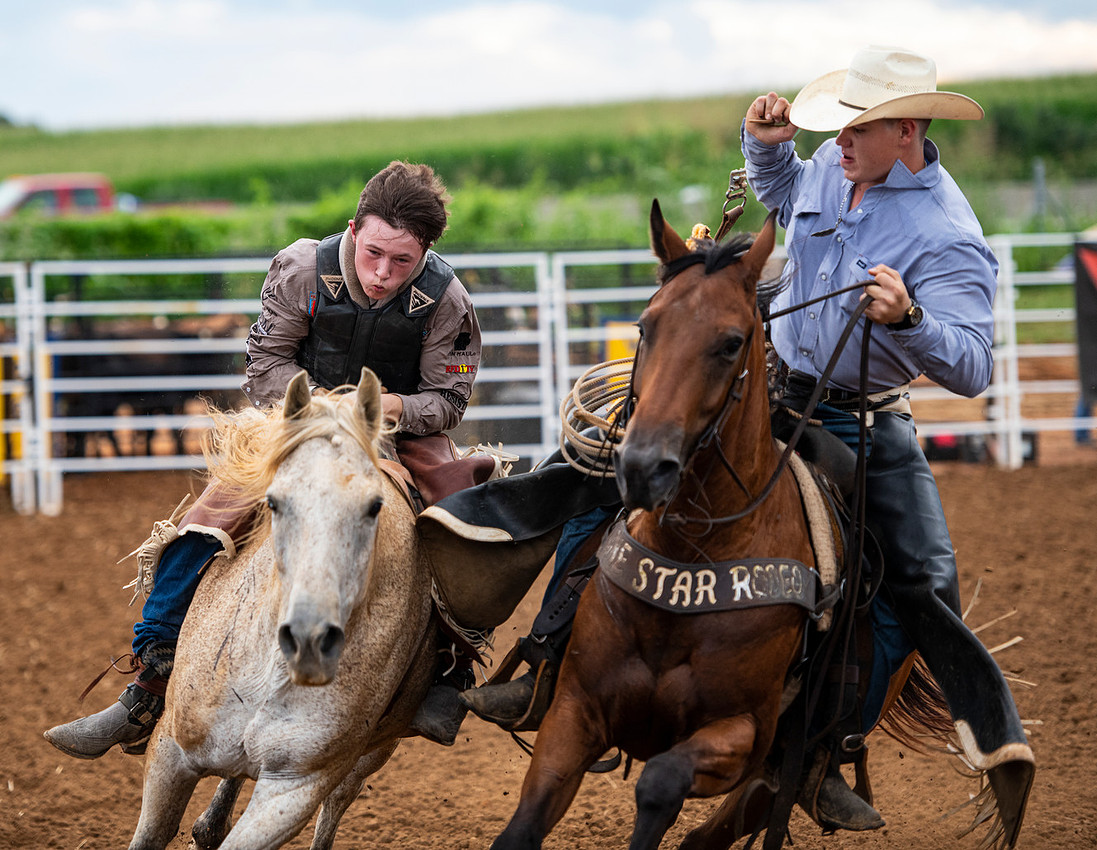
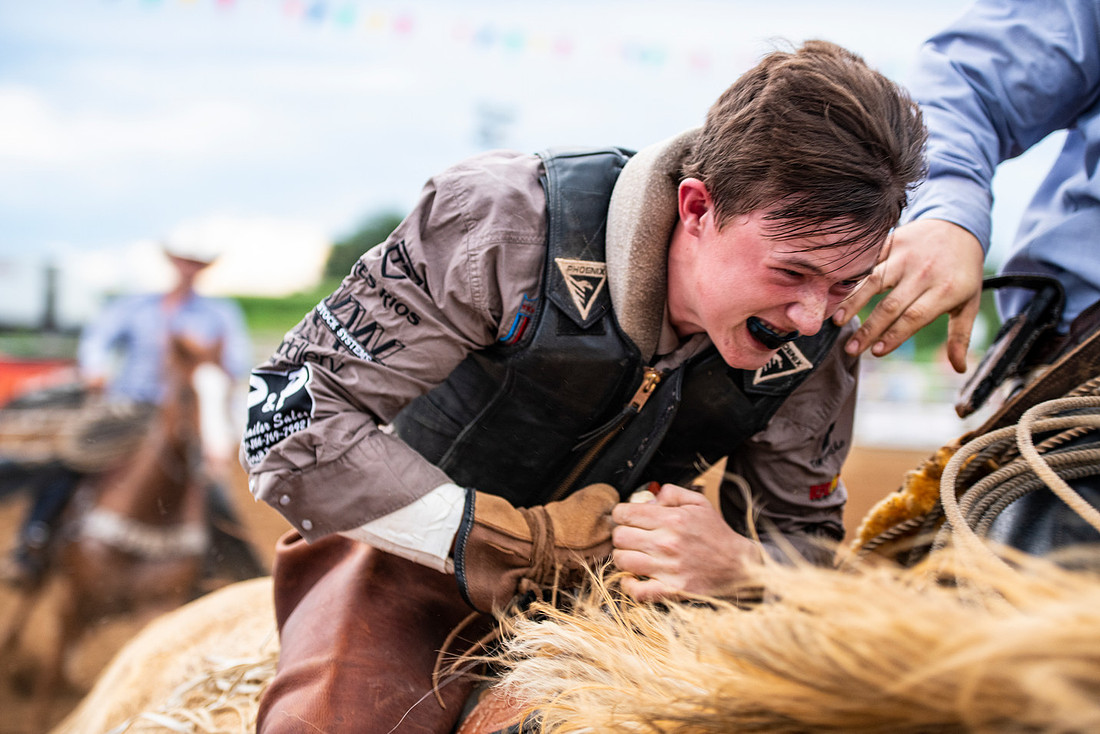
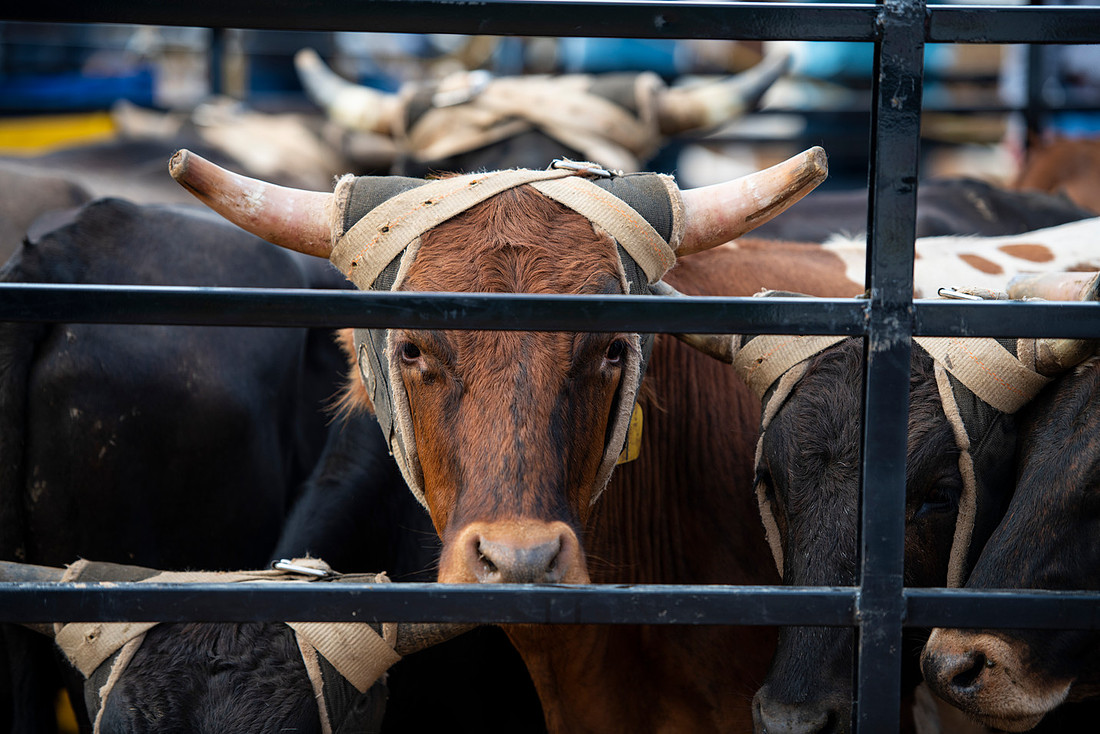
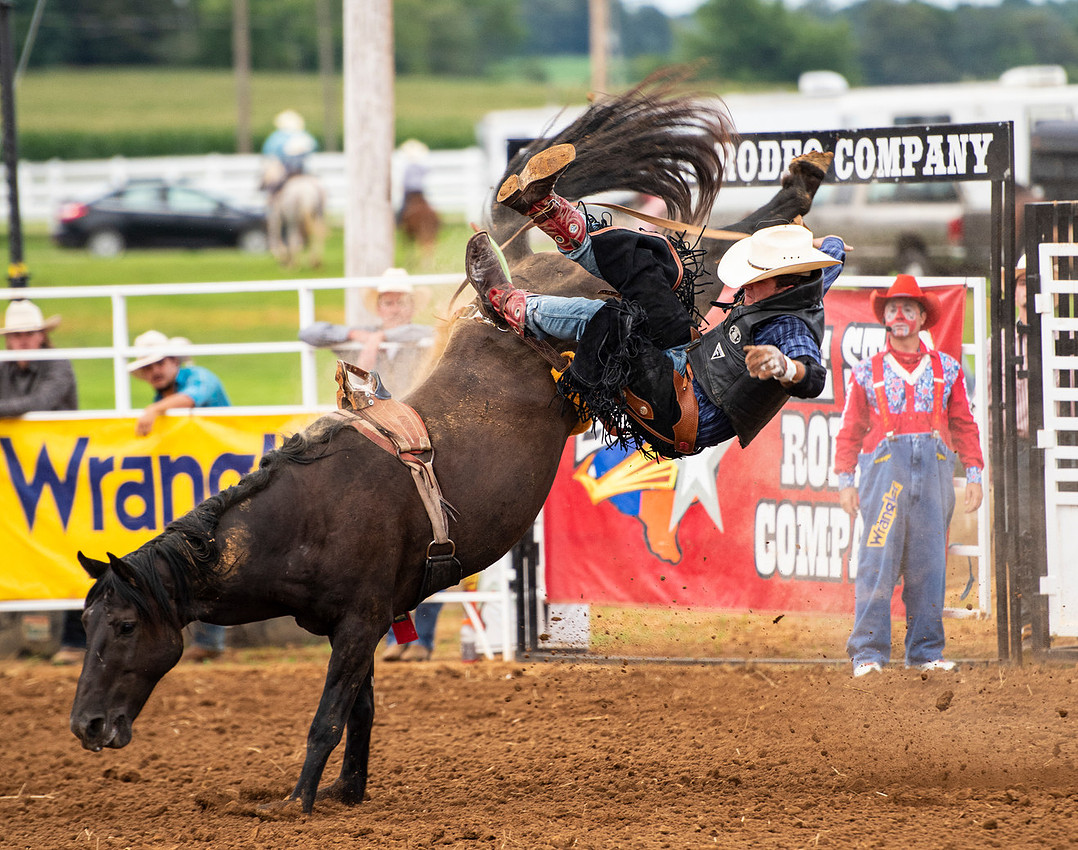
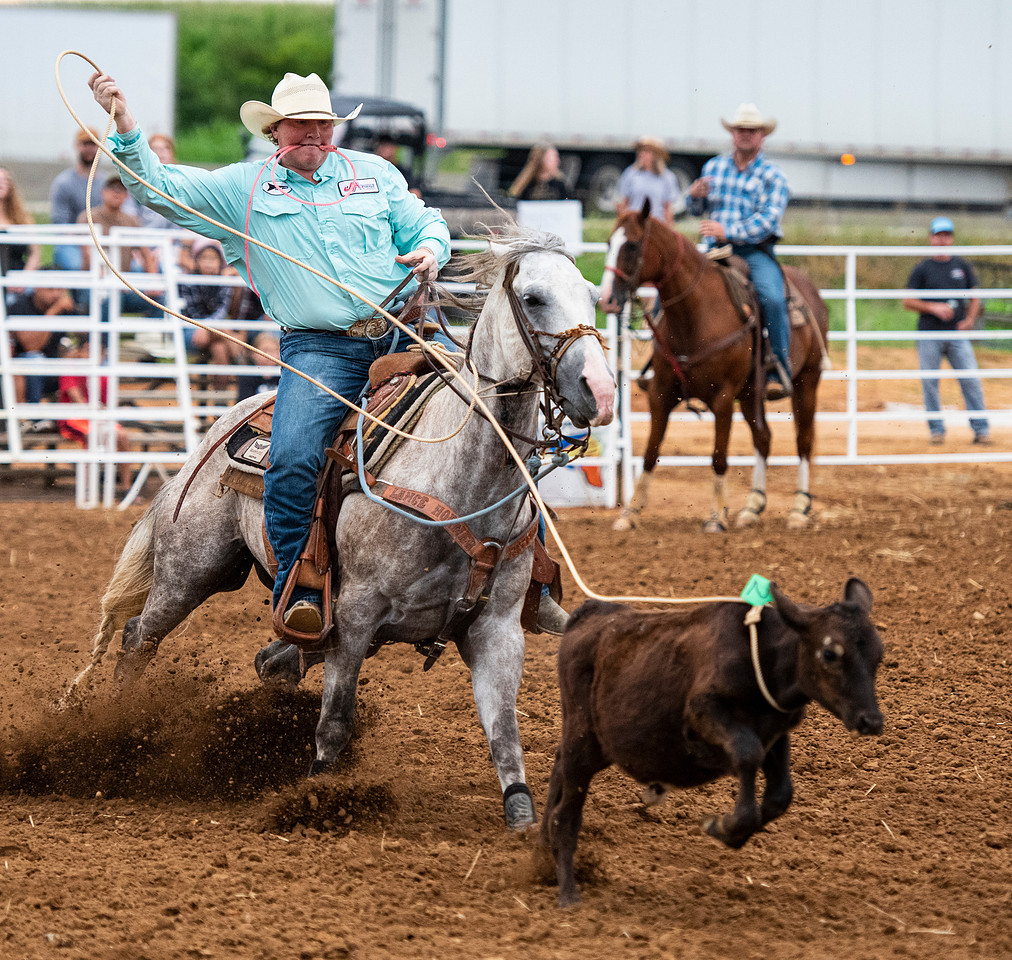
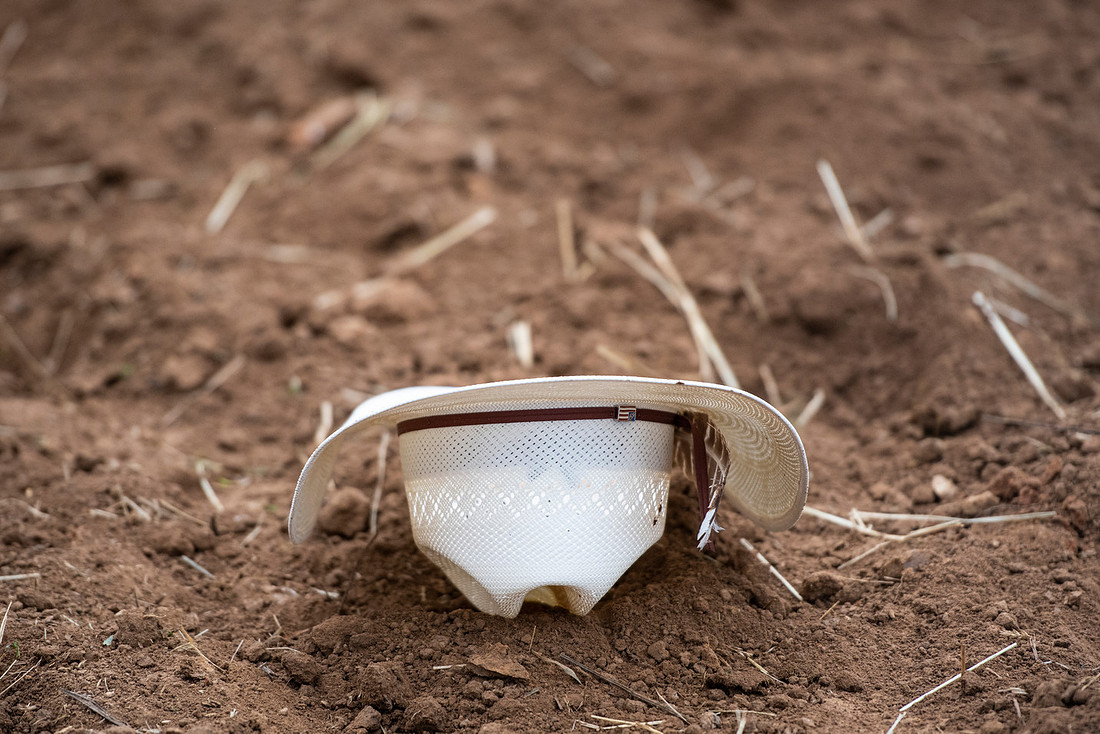
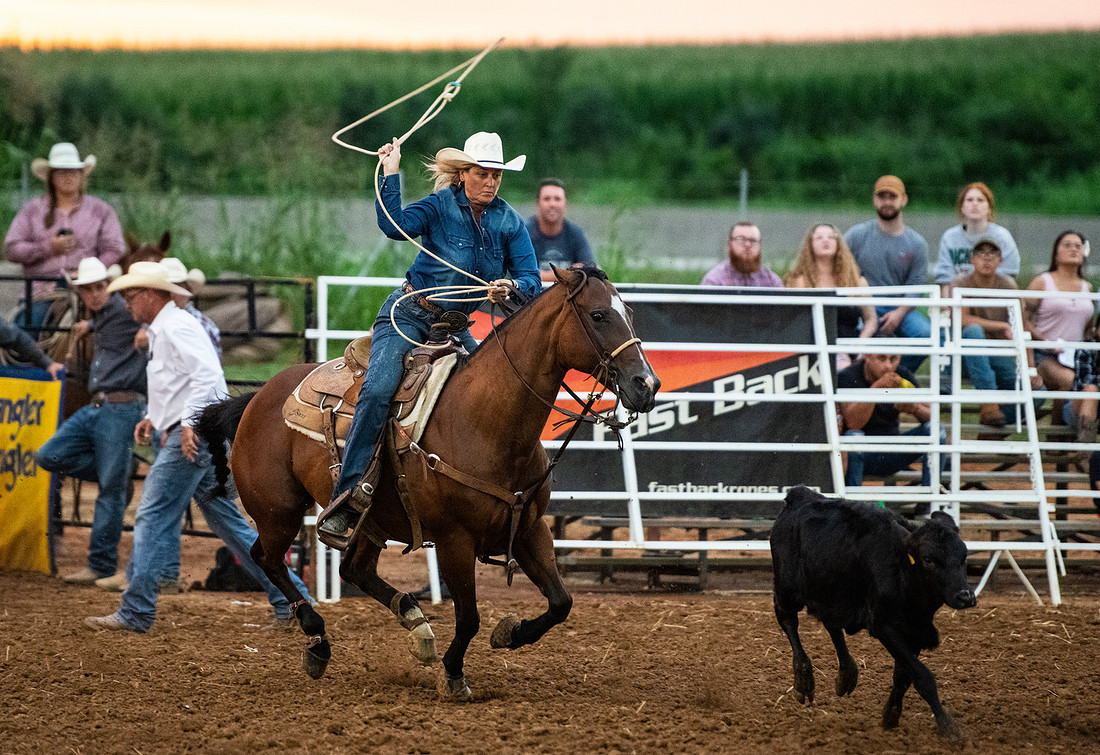
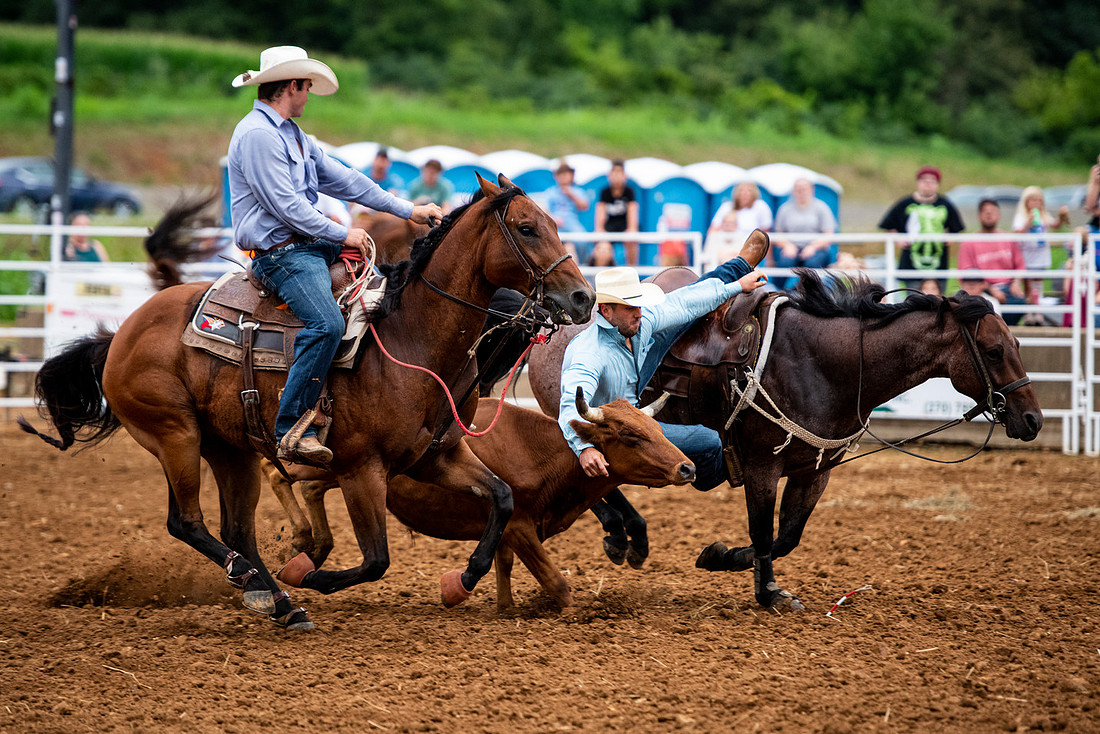
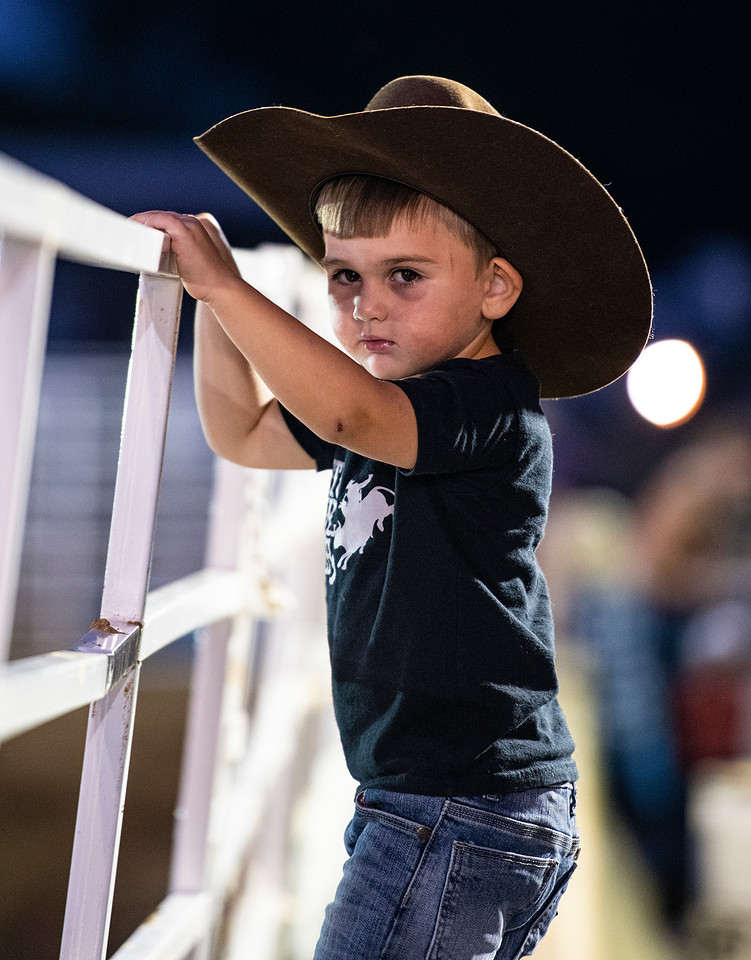
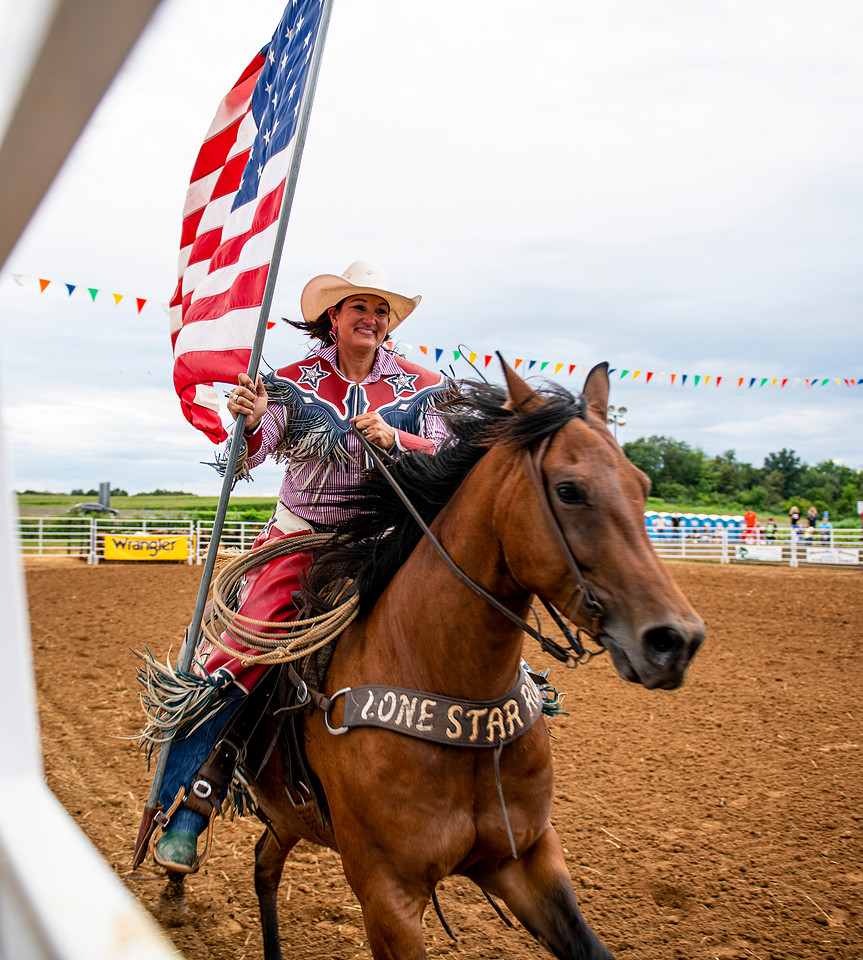
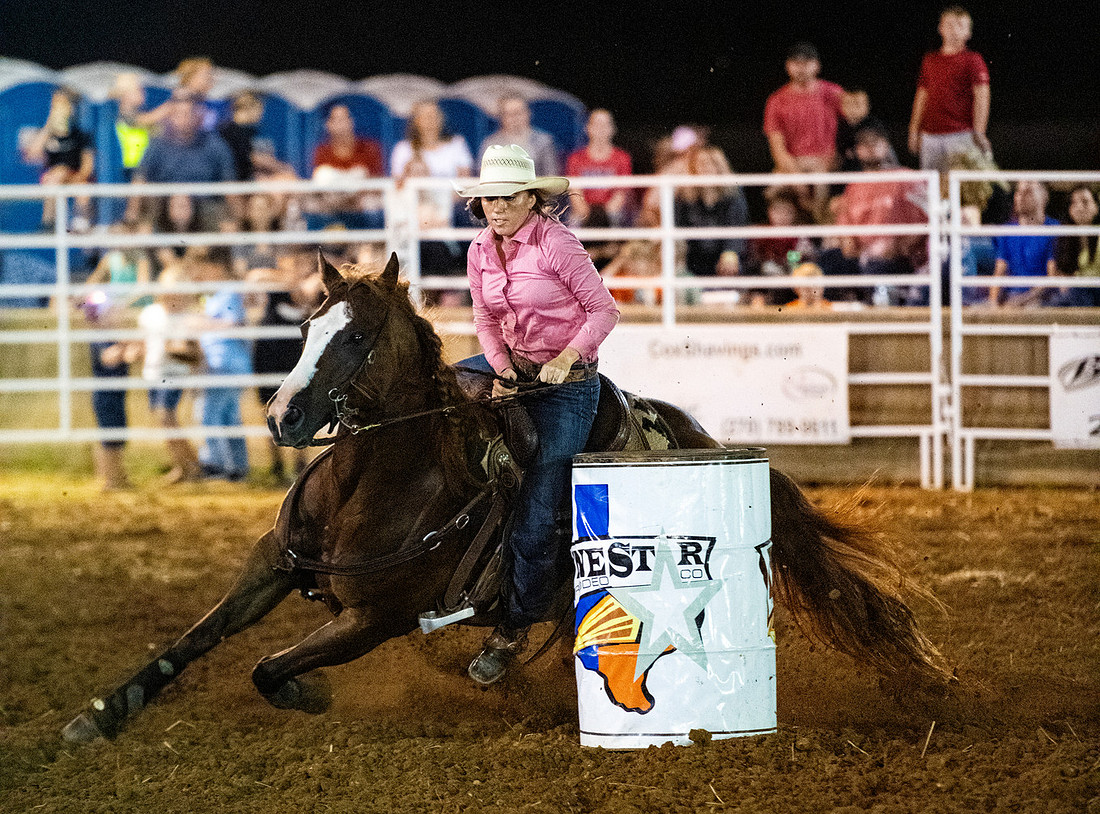
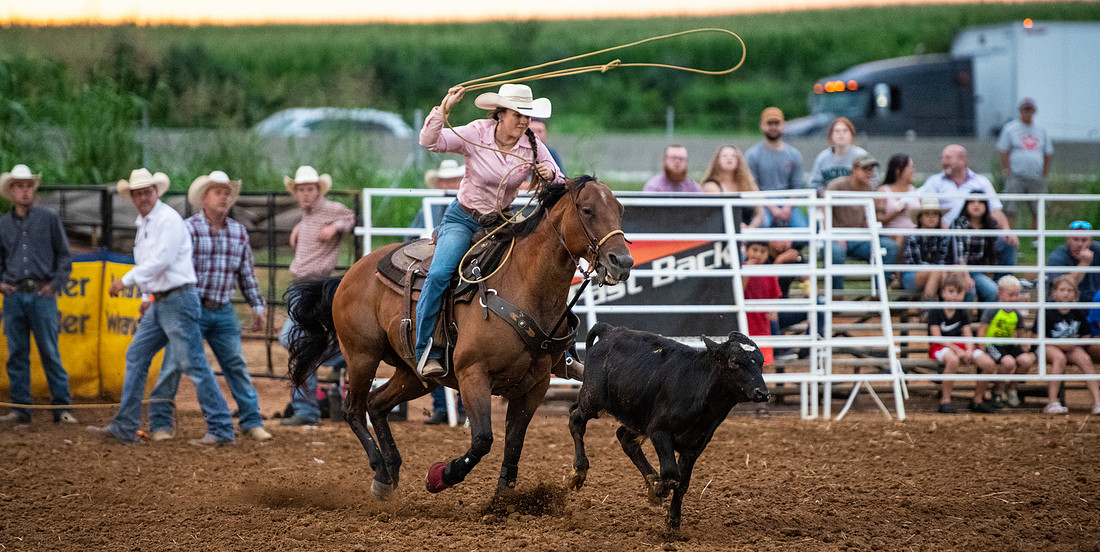
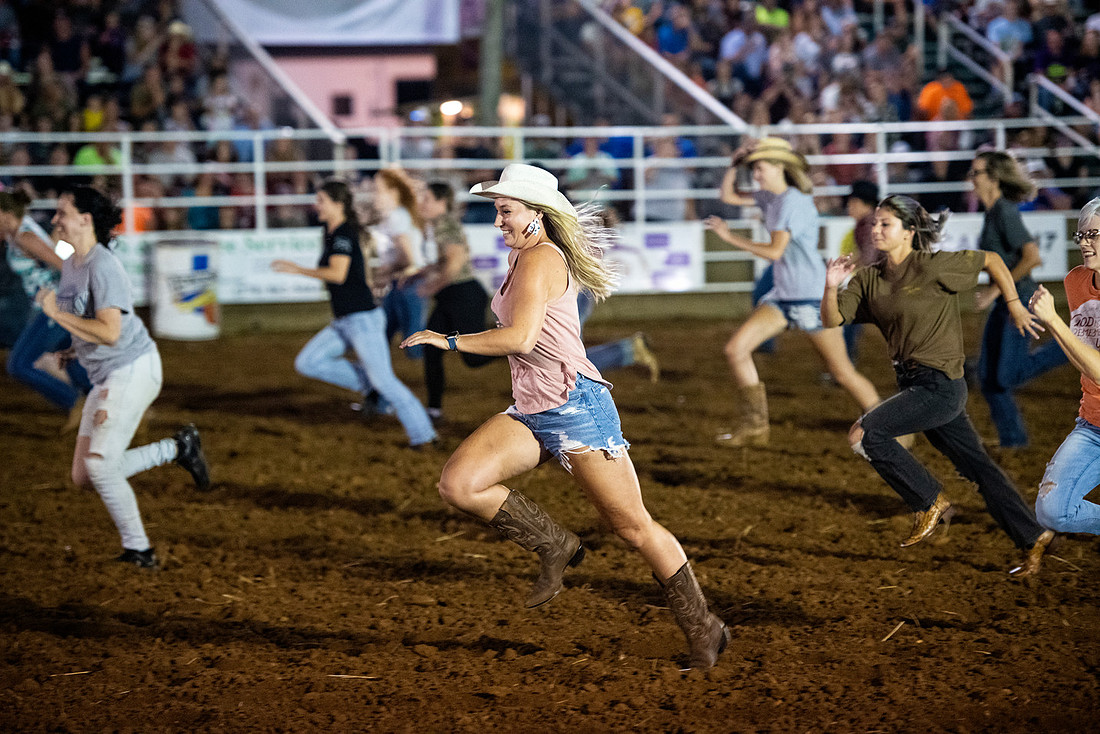
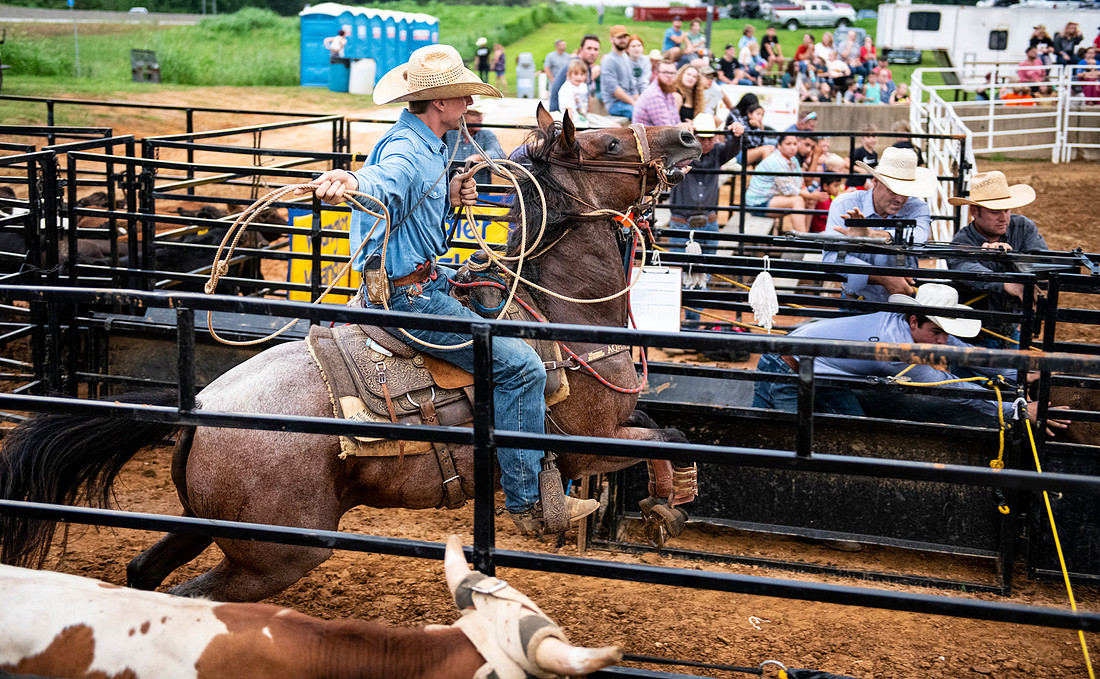
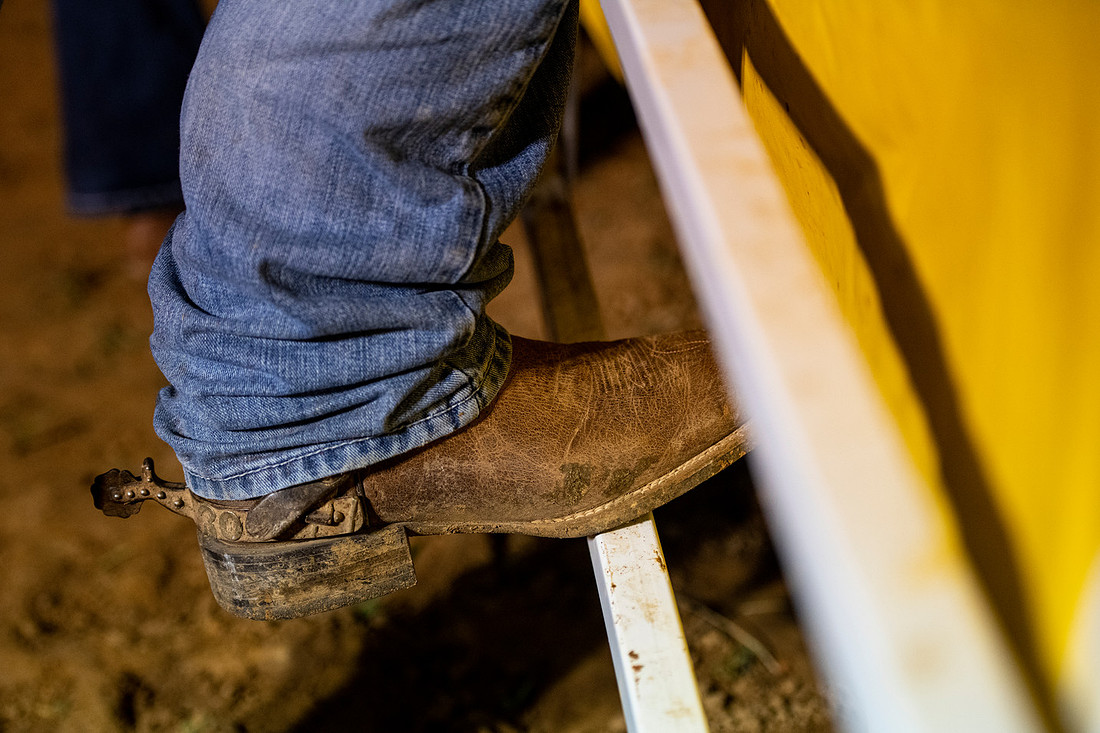
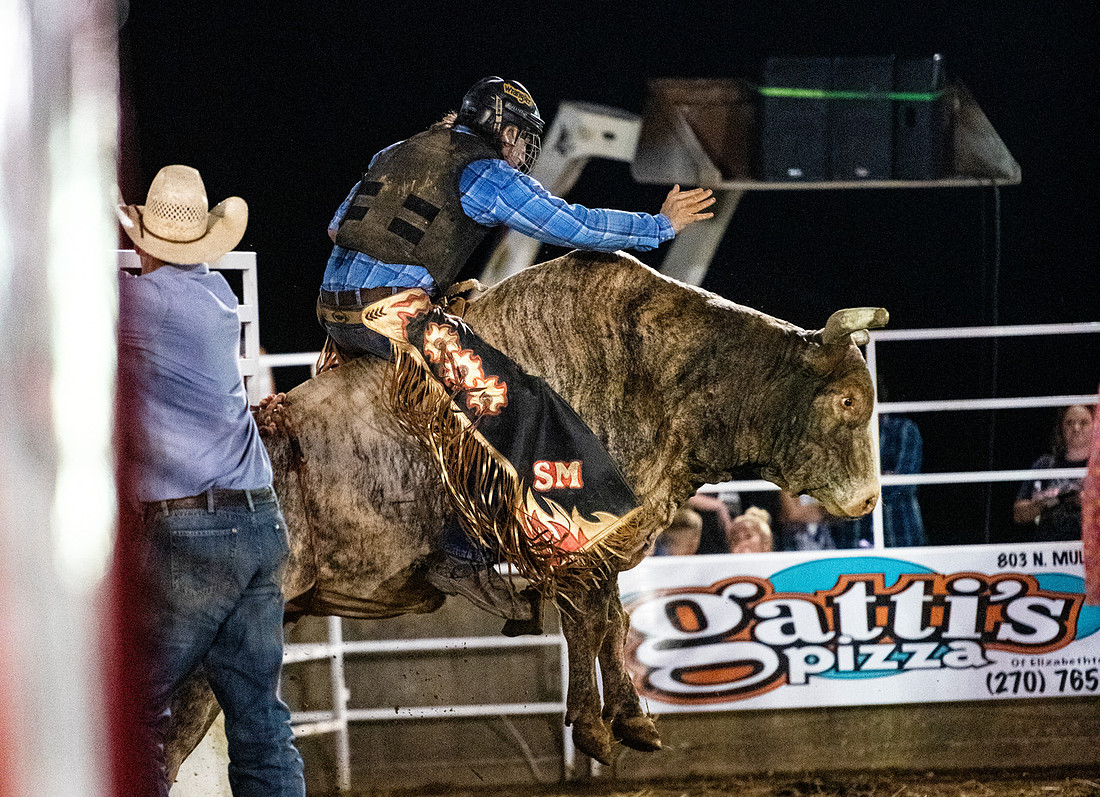
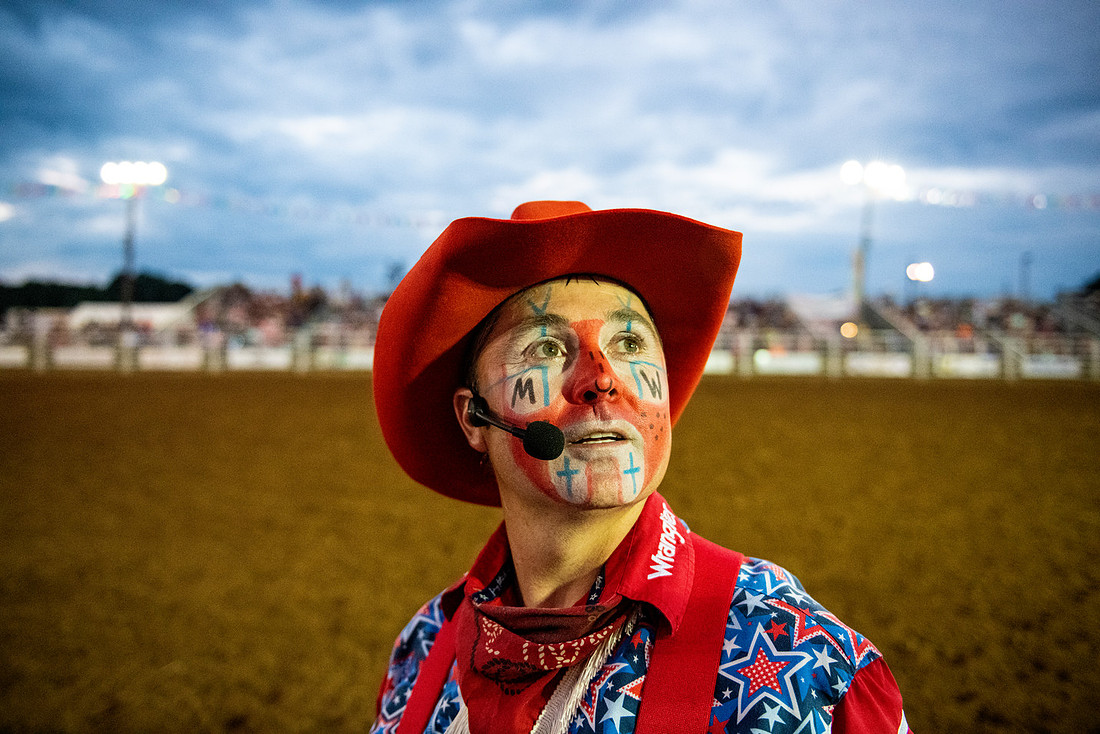
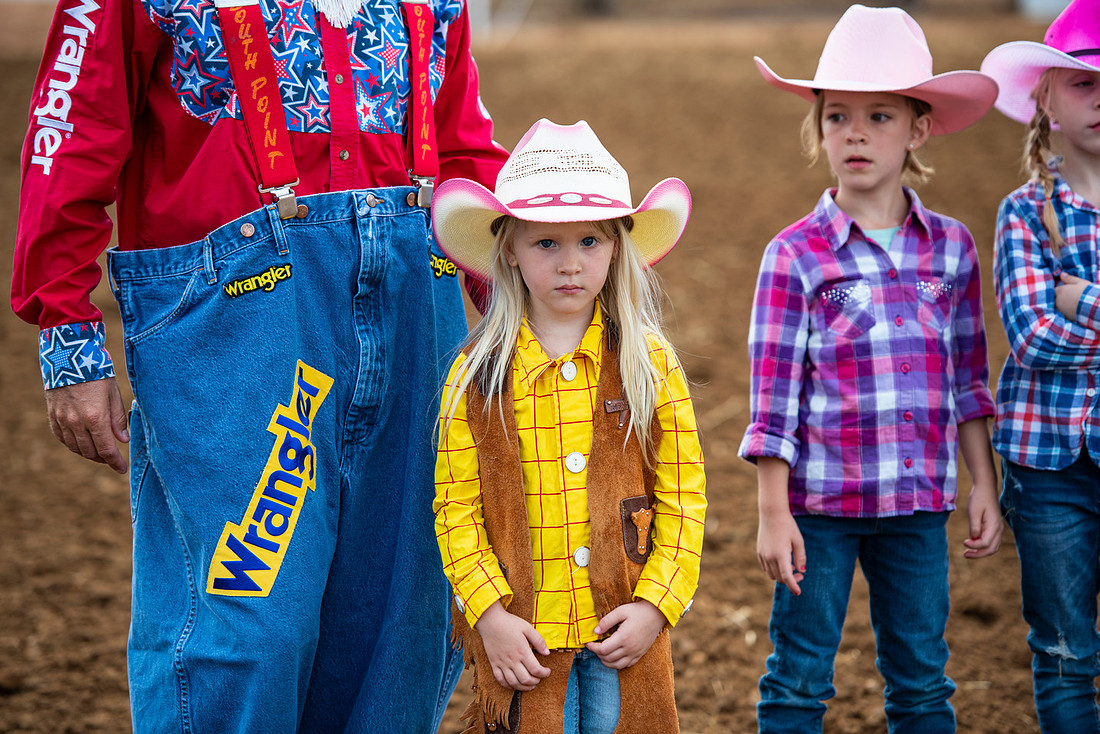
The Rodeo That Fell Through The Cracks
Sometimes deadlines can get the best of me. I shot this story on hometown rodeos in Elizabethtown for Kentucky Living Magazine in August of 2022, but after I shot it and transmitted it, I totally forgot to go back and do anything with it. Recently, the woman who was on the cover shot contacted me, wanting photos because her horse had passed away. So I dug into my archive and found them. Then I was kicking myself for not adding these to my portfolio before now. I had some pretty decent shots with it. Now it makes me wonder how many other good shots are sitting all alone on a hard drive somewhere that I forgot about, HA!
-30-
Standing at the Digital Crossroads
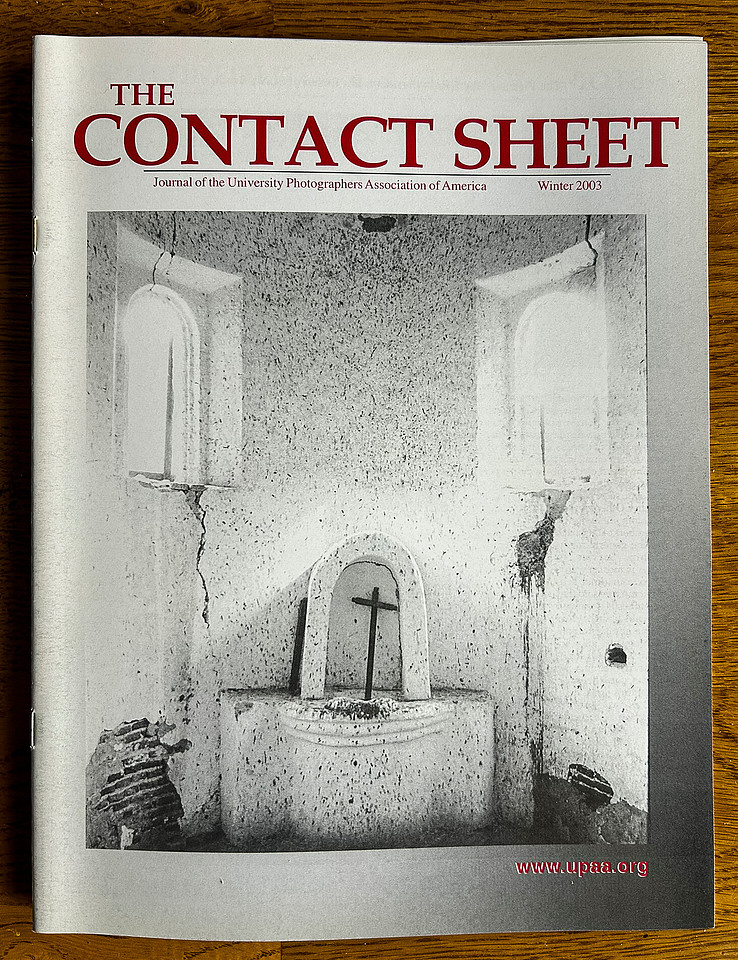
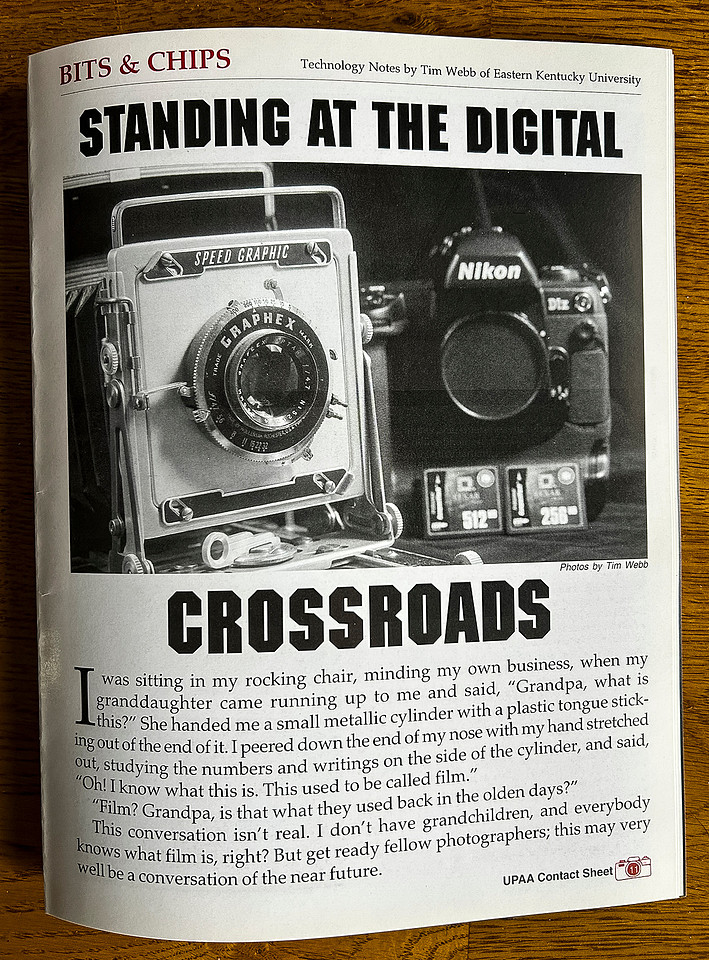
When I was the University Photographer at Eastern Kentucky University from 1994-2004, I was very active with the University Photographers Association of America. I was set to become the organization's president until I decided to leave the university and higher education. But I was the editor of UPAA's quarterly magazine The Contact Sheet for several years, even after leaving EKU. In January 2003, I wrote an article called Standing at the Digital Crossroads. I explored the unprecedented task of going from film to digital, and how those of us professional photographers at the time were pioneers because there had never been a medium change since the creation of photography in the early 1800s, and there still hasn't been since then. We truly were pioneers! Here is that article...
Standing at the Digital Crossroads
By Tim Webb
January 27, 2003
I was sitting in my rocking chair, minding my own business, when my granddaughter came running up to me and said, “Grandpa, what is this?" She handed me a small metallic cylinder with a plastic tongue sticking out of the end of it. I peered down the end of my nose with my hand stretched out, studying the numbers and writings on the side of the cylinder, and said, "Oh! I remember what this is. This used to be called film."
"Film? Grandpa, is that what they used back in the olden days?" This conversation isn't real. I don't have grandchildren, and everybody knows what film is, right? But get ready fellow photographers; this may very well be a conversation of the near future.
Digital Moderate
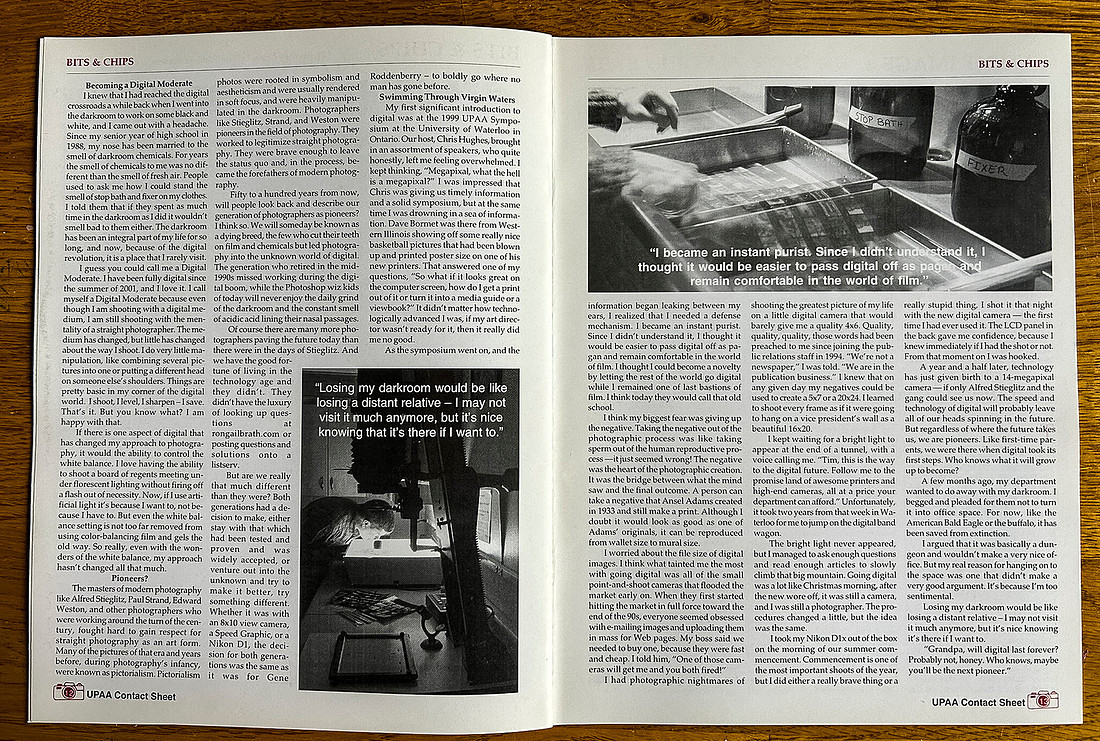
I knew that I had reached the digital crossroads a while back when I went into the darkroom to work on some black and white, and I came out with a headache. Since my senior year of high school in 1988, my nose has been married to the smell of darkroom chemicals. For years the smell of chemicals to me was no different than the smell of fresh air. People used to ask me how I could stand the smell of stop bath and fixer on my clothes. I told them that if they spent as much time in the darkroom as I did it wouldn't smell bad to them either. The darkroom has been an integral part of my life for so long, and now, because of the digital revolution, it is a place that I rarely visit.
I guess you could call me a digital moderate. I have been fully digital since the summer of 2001, and I love it. I call myself a digital moderate because even though I am shooting with a digital medium, I am still shooting with the mentality of a film photographer. The medium has changed, but little has changed about the way I shoot. I do very little manipulation, like combining several pictures into one or putting a different head on someone else's shoulders. Things are pretty basic in my corner of the digital world. I shoot. I level. I sharpen. I save.
That's it. But you know what? I am happy with that.
If there is one aspect of digital that has changed my approach to photography, it would the ability to control the white balance. I love having the ability to shoot a board of regents meeting under fluorescent lighting without firing off a flash out of necessity. Now, if l use artificial light it's because I want to, not because I have to. But even the white balance setting is not too far removed from using color-balancing film and gels the old way. So really, even with the wonders of the white balance, my approach hasn't changed all that much.
Are We Pioneers?
The masters of modern photography like Ansel Adams, Alfred Stieglitz, Paul Strand, Edward Weston, and other photographers who were working around the turn of the 20th century, fought hard to gain respect for straight photography as an art form.
Many of the pictures of that era and years before, during photography's infancy, were known as pictorialism. Pictorialism photos were rooted in symbolism and aestheticism and were usually rendered in soft focus, and were heavily manipulated in the darkroom. Photographers like Adams, Stieglitz, Strand, and Weston were pioneers in the field of photography. They worked to legitimize straight photography. They were brave enough to leave the status quo and, in the process, became the forefathers of modern photography.
Fifty to a hundred years from now, will people look back and describe our generation of photographers as pioneers? I think so. We will someday be known as the old breed, the few who cut their teeth on film and chemicals but also led photography into the unknown world of digital.
The generation who retired in the mid-1990s missed working during the digital boom, while the Photoshop whiz kids of today will never enjoy the daily grind of the darkroom and the constant smell of acidic acid lining their nasal passages. Of course there are many more photographers paving the future today than there were in the days of Stieglitz. And we have the good fortune of living in the technology age and they didn't. They didn't have the luxury of looking up questions at rongailbrath.com or posting questions and solutions onto a listserv.
But are we that much different than they were? Both generations had a decision to make, either stay with that which had been tested and proven and was widely accepted or venture out into the unknown and try to make it better, try something different. Whether it was with an 8x10 view camera, a Speed Graphic, or a Nikon D1, the decision for both generations was the same as it was for Star Trek creator Gene Roddenberry - to boldly go where no man has gone before
Swimming Through Virgin Waters.
My first significant introduction to digital was at the 1999 UPAA Symposium at the University of Waterloo in Ontario. Our host, Chris Hughes, brought in an assortment of speakers, who quite honestly, left me feeling overwhelmed. I kept thinking, "Megapixel, what the hell is a megapixel?" I was impressed that Chris was giving us timely information and a solid symposium, but at the same time I was drowning in a sea of information.
Dave Bormet was there from the University of Western Illinois showing off some really nice basketball pictures that had been blown up and printed poster size on one of his new digital printers. That answered one of my questions, "So what if it looks great on the computer screen, how do I get a print out of it or turn it into a media guide or a viewbook?" It didn't matter how technologically advanced I was, if my art director wasn't ready for it, then it really did me no good.
As the symposium continued, I realized that I needed a defense mechanism. I became an instant purist. Since I didn't understand it, I thought it would be easier to pass digital off as pagan and remain comfortable in the world of film. I thought I could become a novelty by letting the rest of the world go digital while I remained one of last bastions of film. I think today they would call that old school.
I think my biggest fear was giving up the negative. Taking the negative out of the photographic process was like taking sperm cells out of the human reproductive process —it just seemed wrong! The negative was the heart of the photographic creation.
It was the bridge between what the mind saw and the final outcome. A person can take a negative that Ansel Adams created in 1933 and still make a print. Although I doubt it would look as good as one of Adams' originals, it can be reproduced from wallet size to mural size.
I worried about the file size of digital images. I think what tainted me the most with going digital was all of the small point-and-shoot cameras that flooded the market early on. When they first started hitting the market in full force toward the end of the 1990s, everyone seemed obsessed with e-mailing images and uploading them in mass for web pages. My boss said we needed to buy one, because they were fast and cheap. I told him, "One of those cameras will get me and you both fired!" I had photographic nightmares of taking the greatest picture of my life on a little digital camera that would barely give me a quality 4x6.
Quality, quality, quality. Those words had been preached to me since joining Eastern Kentucky University’s public relations staff in 1994. "We're not a newspaper," I was told. "We are in the publication business." I knew that on any given day my negatives could be used to create a 5x7 or a 20x24. I learned to shoot every frame as if it was going to hang on a vice president's wall as a beautiful 16x20.
I kept waiting for a bright light to appear at the end of a tunnel, with a voice calling me. "Tim, this is the way to the digital future. Follow me to high-end cameras, all at a price your department can afford." Unfortunately, it took two years from that week in Waterloo for me to jump on the digital band wagon.
The bright light never appeared but I managed to ask enough questions and read enough articles to slowly climb that big mountain. Going digital was a lot like Christmas morning, after the new wore off, it was still a camera, and I was still a photographer. The process changed, but the concept was the same.
I took my Nikon D1x out of the box on the morning of our summer commencement, August 3, 2001. Commencement is one of my most important shoots of the year, but I either did a really brave thing or a really stupid thing, I shot commencement that night with the new digital camera — the first time that I ever used it. The LCD panel in the back gave me confidence, because I knew immediately if I had the shot or not. From that moment on I was hooked.
A year and a half later, technology has just given birth to a 14-megapixal camera — if only Alfred Stieglitz and the gang could see us now. The speed and technology of digital will probably leave all of our heads spinning in the future. But regardless of where the future takes us, we are pioneers. Like first-time parents, we were there when digital took its infant steps. Who knows what it will grow up to become?
A few months ago, my department wanted to do away with my darkroom that Kodak designed when they built the Jones Building at Eastern Kentucky University in 1969. I begged and pleaded for them not to turn it into office space. For now, like the American Bald Eagle or the buffalo, it has been saved from extinction.
I argued that it was basically a dungeon and wouldn't make a very nice office. But my real reason for hanging on to the space was one that didn't make a very good argument. It's because I'm too sentimental. Losing my darkroom would be like losing a distant relative - I may not visit it much anymore, but it's nice knowing it's there if I want to.
"Grandpa, will digital last forever? Probably not, honey. Who knows, maybe you'll be the next pioneer."
-30-
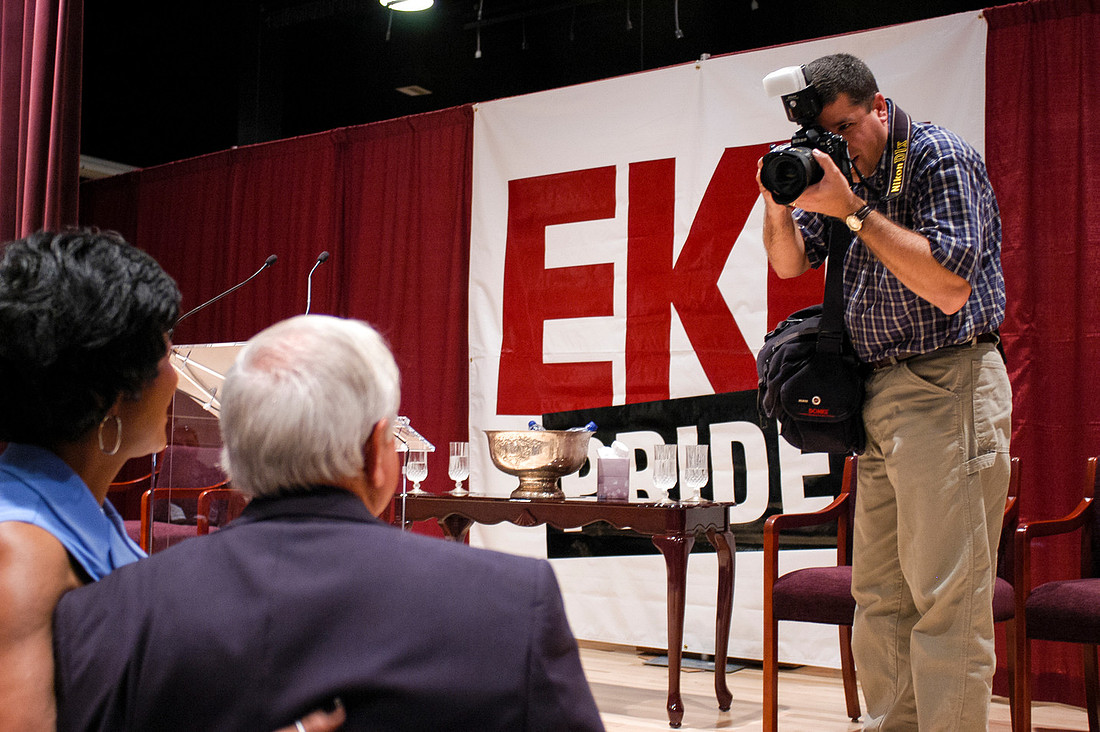 Most of my time as Eastern's University Photographer was spent in film and chemicals, but the last few years was spent in the infancy of digital. I'm seen here using my Nikon D1X as legendary football coach Roy Kidd announced his retirement in September 2002.
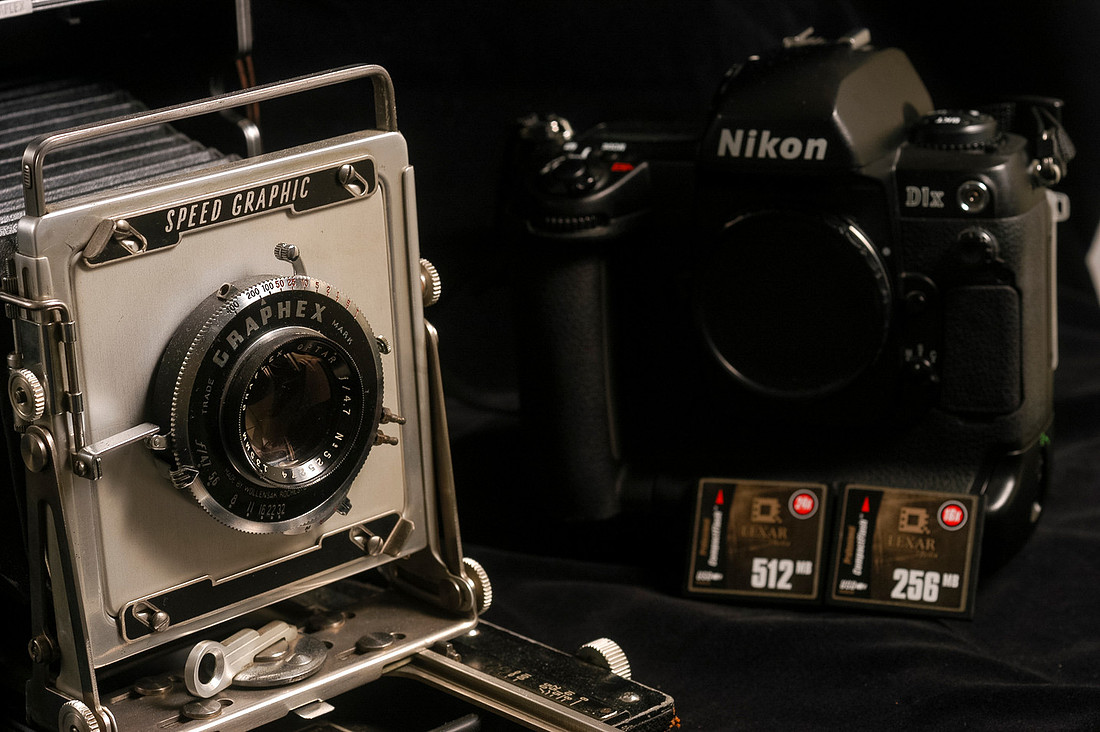
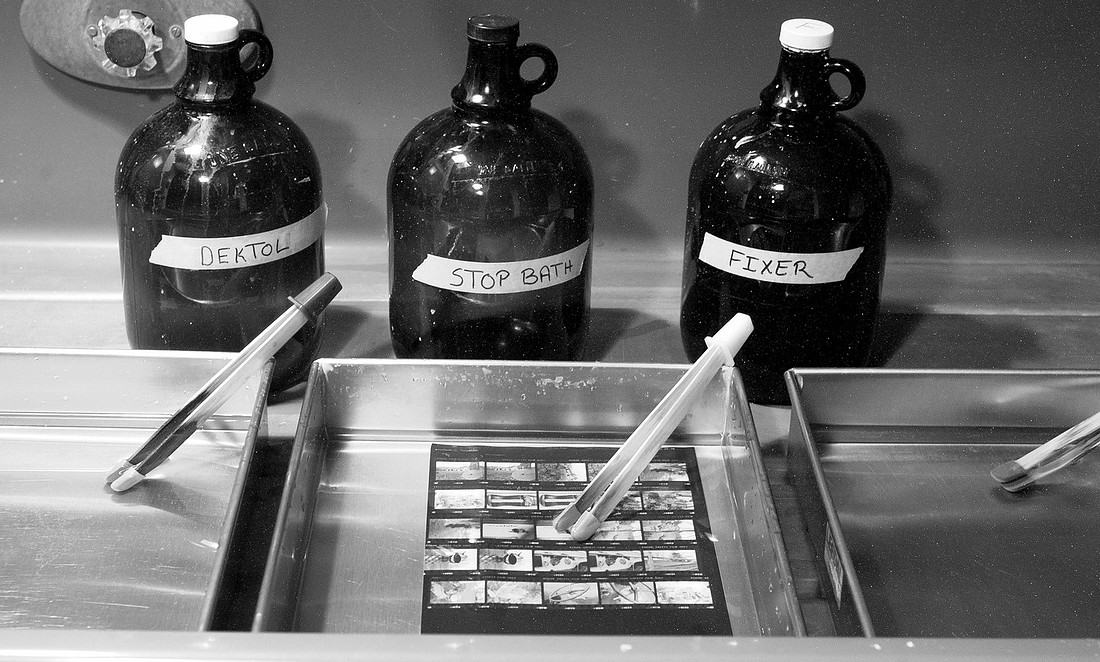
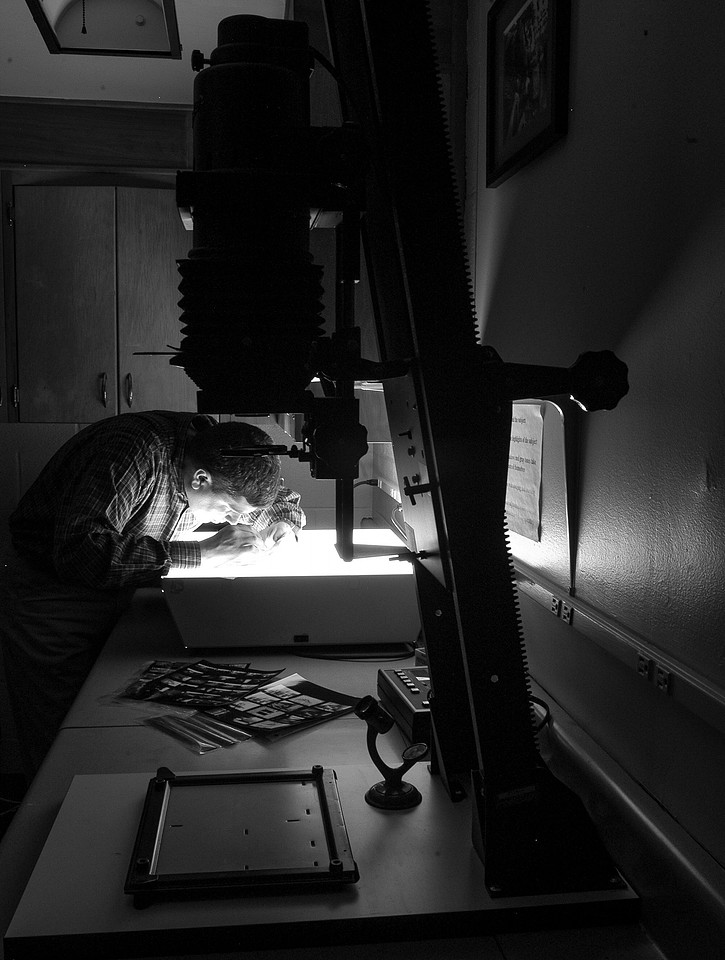
I thought I had died and gone to heaven when I first took the job at Eastern in 1994. Their darkroom was so big and so cool! It had been designed by Kodak when Eastern built the Jones Building in 1969.
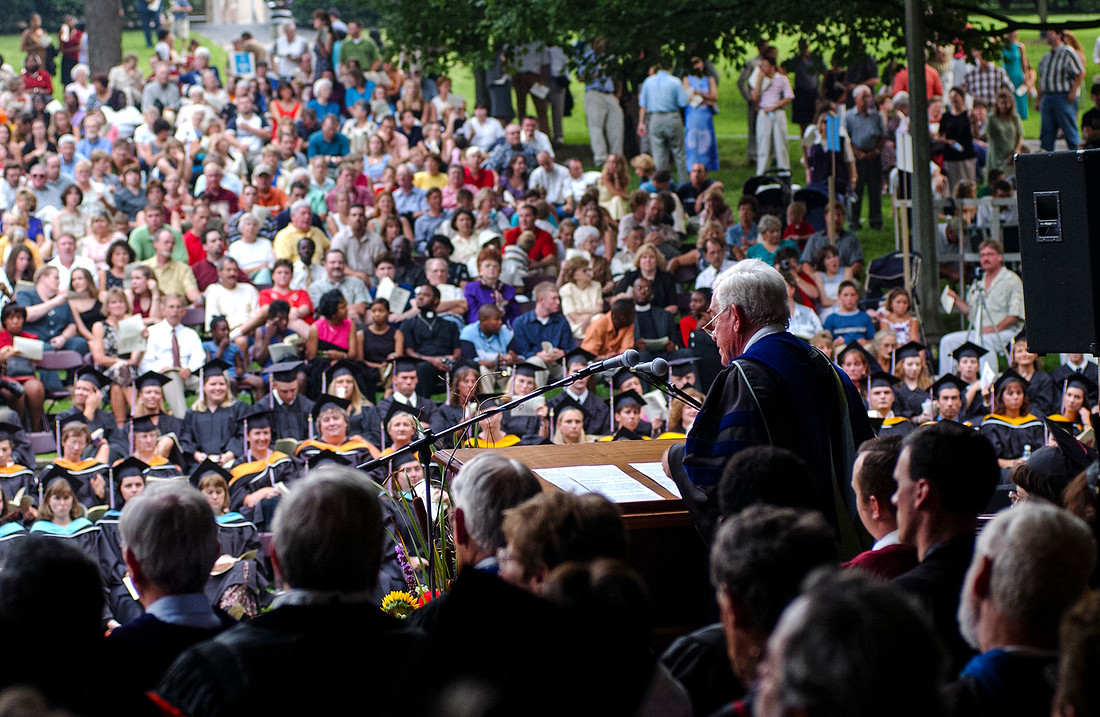
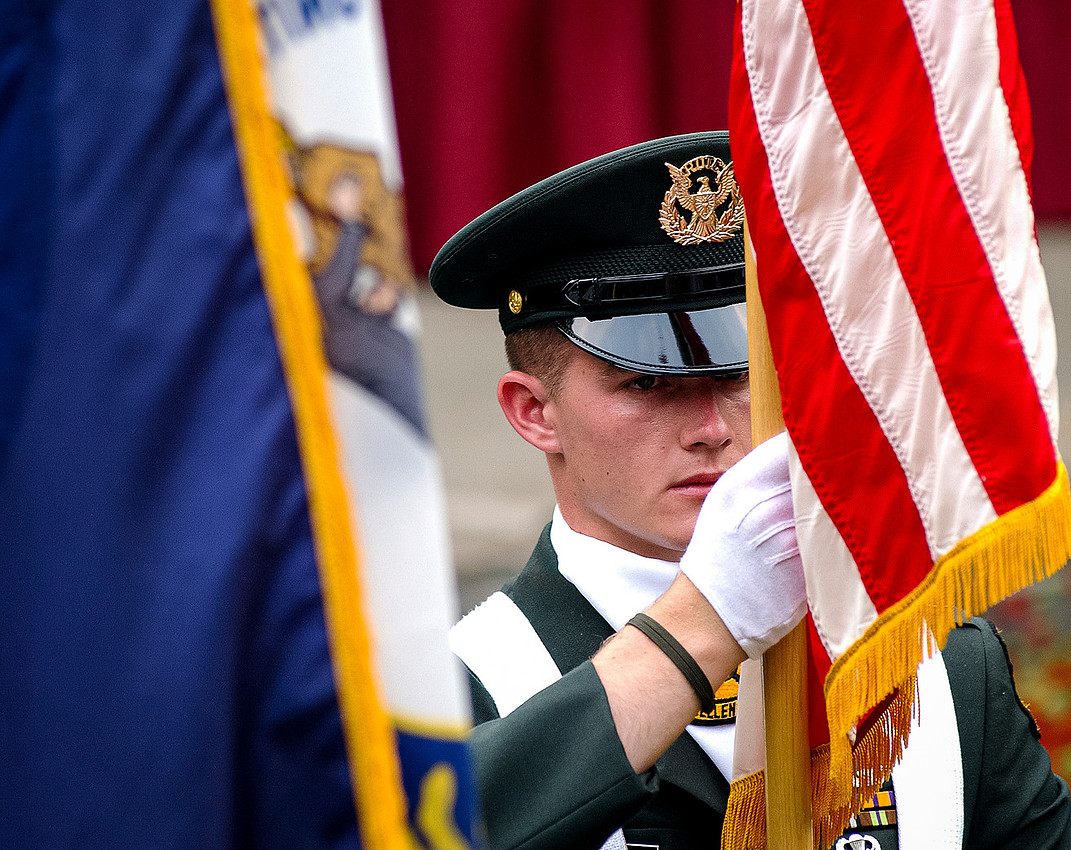
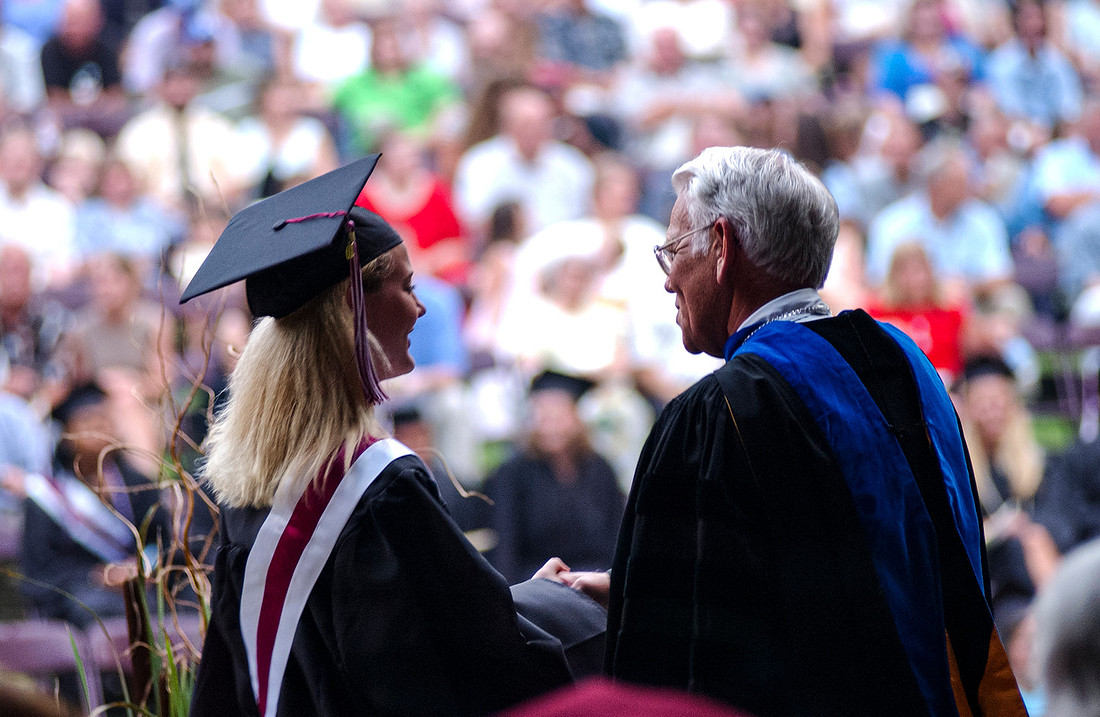
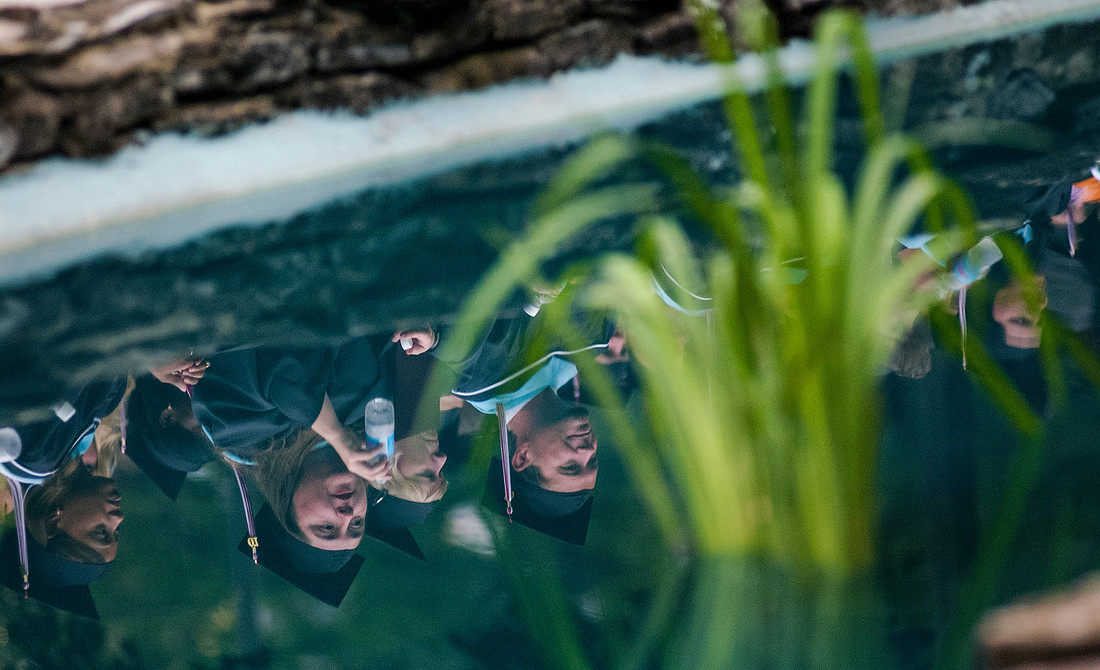 I either did a really stupid thing or a really brave thing by shooting summer commencement on August 3, 2001, the same day that I got my first professional level digital camera, before having time to try it out.